

Why Ergonomics Matter in Public Seating Design

Creating Comfortable, Safe, and Smart Spaces for Everyone
When most people hear the term ergonomic design, Usually, they believe of office seating or furniture for their homes. But what about public seating—park benches, waiting room chairs, or airport and hospital seats? These are spaces where they can spend extended amounts of time waiting, sleeping, or engaging with others. That’s why ergonomic principles are equally important—if not more so—in public seating design.
Incorporating ergonomics into public seating isn’t just about comfort; it’s about promoting user enjoyment, availability, and health for a diverse group of people. Let’s explore why ergonomic design is crucial in public settings and how it can elevate the user experience.
1. Comfort for All Body Types
Public areas accommodate people of every shape, size, and physical capability. Universal sizing rarely delivers comfort—and can even cause pain.
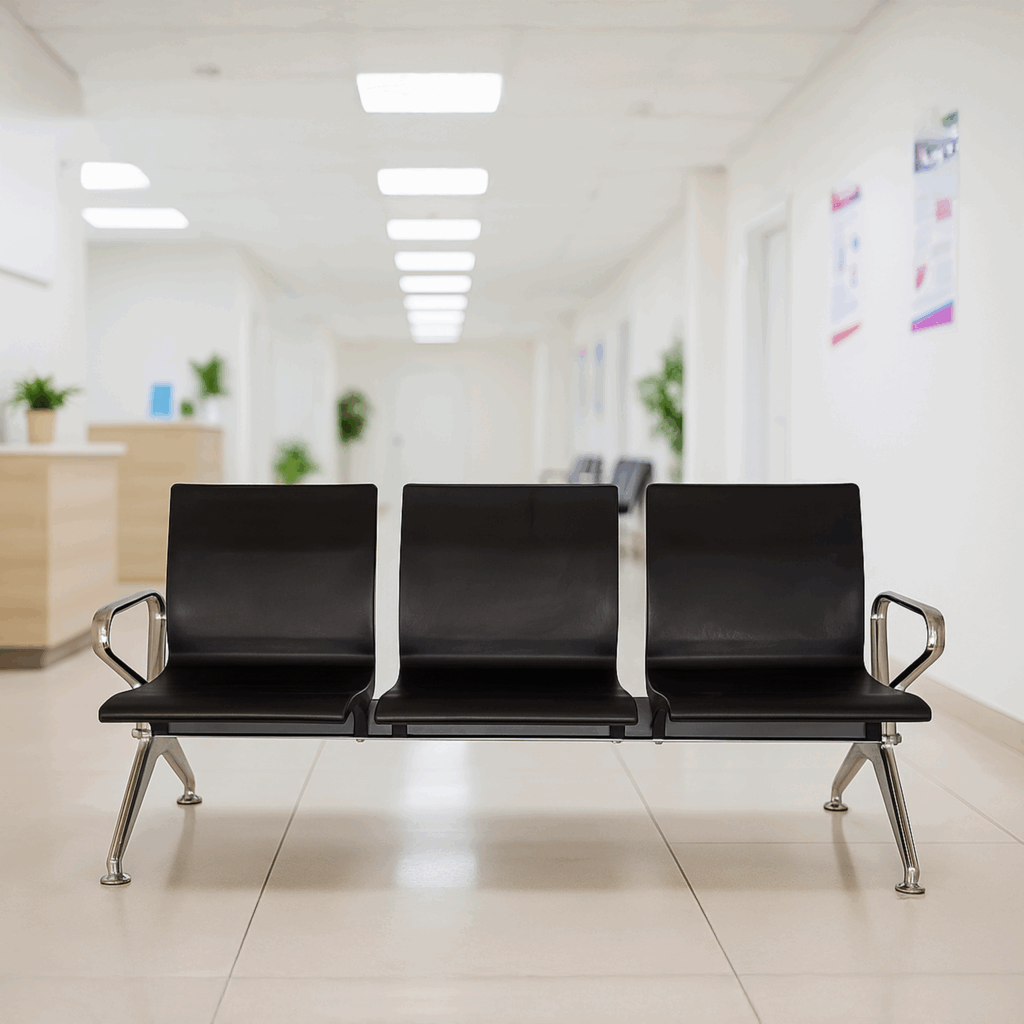
Ergonomic public seating is designed to cradle the natural alignment of the body, with giving careful thought to lumbar support, seat depth, and proper armrest height.
As an example, in airports or railway into wait for hours. Inadequately designed seats may lead to back strain or legs getting tired. However, ergonomically designed seats minimize physical stress and improve the waiting experience to be a whole.
2. Health and Well-Being
Ergonomic public seating prevents musculoskeletal ailments like backache, neck rigidity, and circulatory problems. When people sit for long hours especially in unsuitable chairs, they’re probably going to suffer from pain and injury. Well-thought-out contoured seats, suitable cushioning, and accurate angles can drastically reduce down these risks.
In hospital environments, where patients and People may already be stressed, comfortable seating can be especially important to the well-being of both body and mind.
3. Accessibility and Inclusion
Essential element of ergonomic design is reachable. Seating in public places must be inclusive—taking taking into people who have disabilities, the elderly, children, and pregnant women. A feature of suitable seat height for simple sitting and standing, armrest support, and enough space between seats is necessary for universal usability.
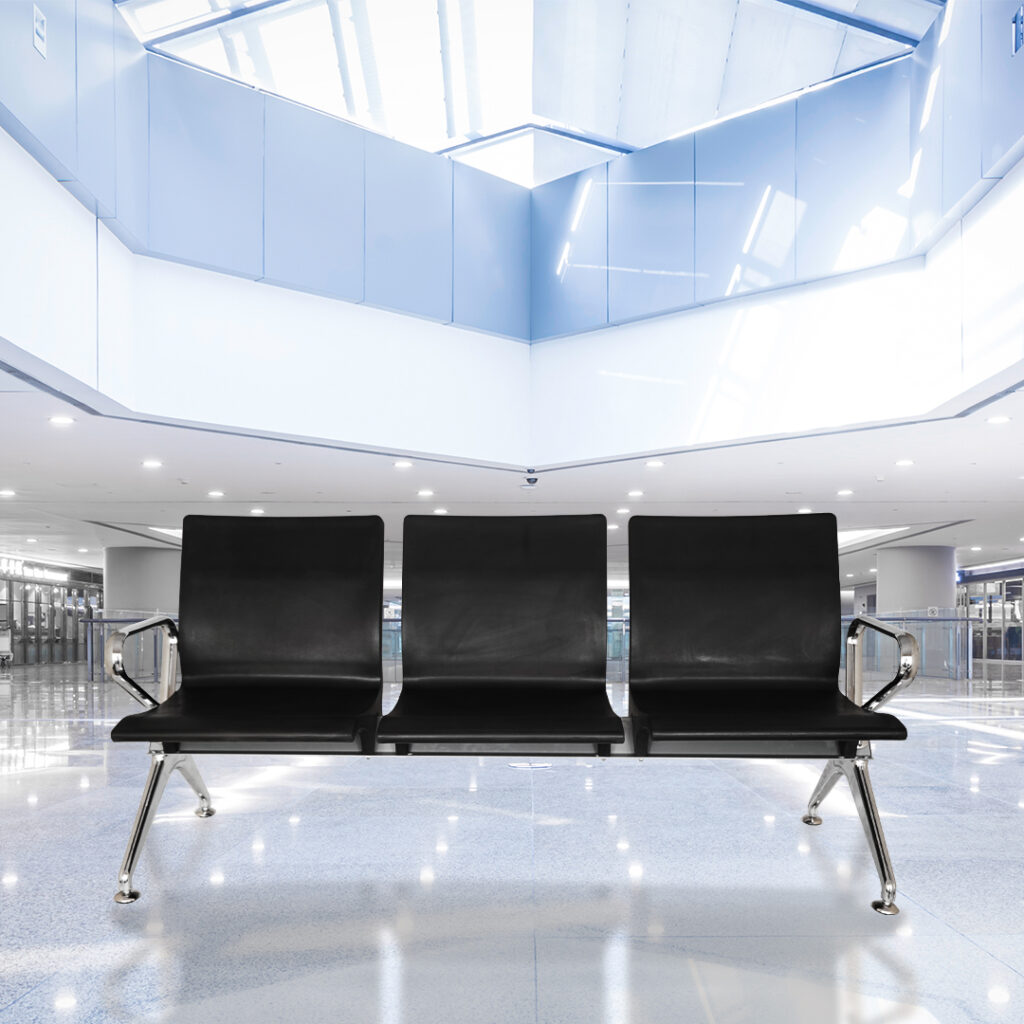
When public seating is designed with ergonomics and inclusivity in mind, it works for everyone—no matter their age or ability.
4. Improved User Experience = Improved Engagement
If people are comfortable, they will be more apt to enjoy and become engaged with the space. No matter the place—a mall, park, hospital, or airport—the seating helps shape how people feel and interact with the space.
Effective ergonomic seating motivates people to linger longer, which can benefit businesses and public services positively. Happy customers are comfortable customers—and that often means more positive reviews, increased visitation traffic, and higher levels of contentment.
5. Durability and Maintenance
Ergonomic seating isn’t just about comfort; It includes quality. materials and intelligent design. That translates to more durable seating that’s easier to keep up, an to take taken taken into for areas where people tend to congregate. Ergonomic seating that lasts means fewer replacements and more savings down the line.
Think of melded .. seats with formed surfaces, For example. They not only provide comfort but withstand wear and tear, moisture, and intentional damage, such to be vandalism—making them suitable for shared public use.
6. Functional and Aesthetic Harmony
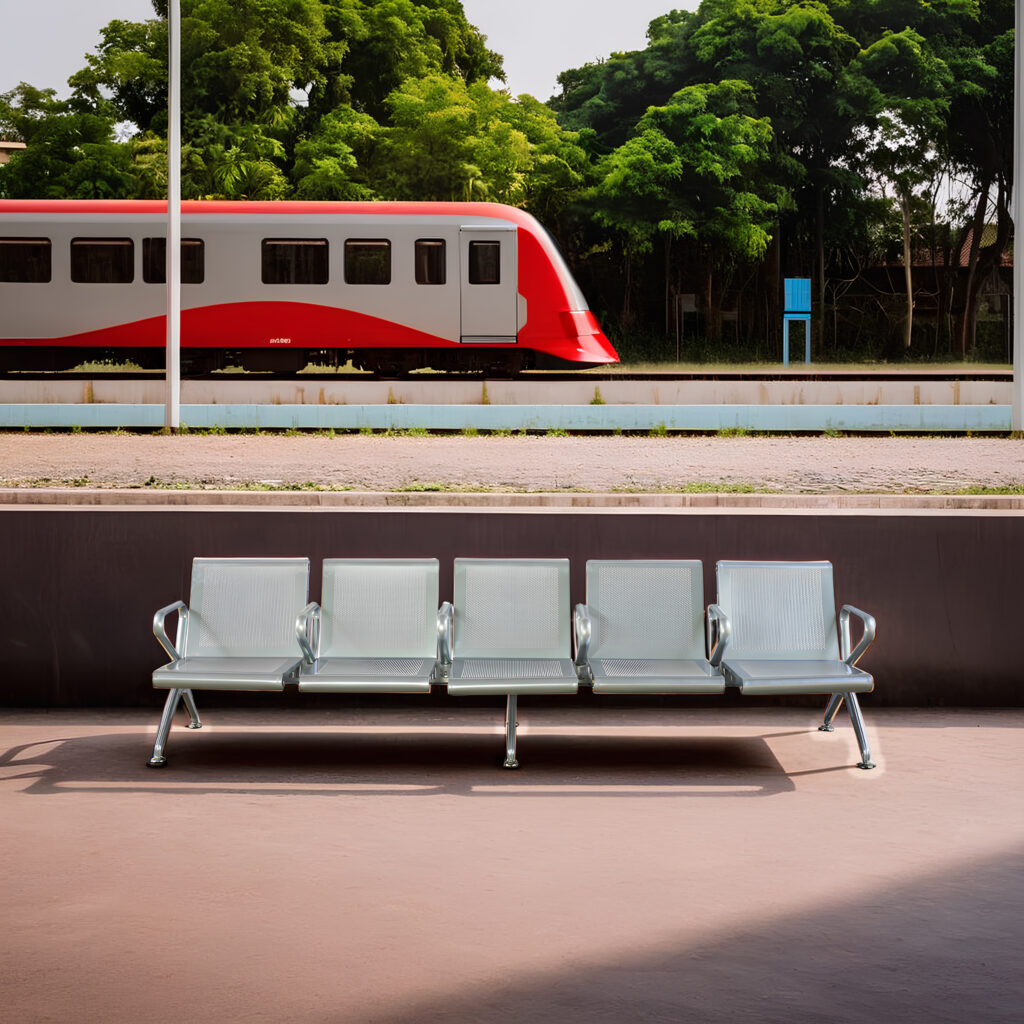
Public seating today is all about balancing functionality with aesthetics. Ergonomic design caters to both. It’s not only about the feel of a chair, but about its look in the surrounding space. Smooth mixing of ergonomic elements can beautify the visual appeal of a public place without sacrificing comfort and ease of access.
Designers have several styles, materials, and colours to choose from that suit the identity of the space—be it minimalist, modern, or traditional—while ensuring ergonomic value is their first priority
Public seating ergonomics isn’t a nicety—it’s a necessity. From health and comfort factors ergonomics in relation to user happiness & ease of access design is at the heart of creating good public experiences. With the development of cities and the increasing demand for environments that are easy to use, spending money on ergonomically designed seating is A and human choice.
Whether you’re planning a new hospital waiting place updating park benches, or outfitting a transportation hub, always remember: how people sit affects how they feel. And when people feel good, they remember the space for all the right reasons.