

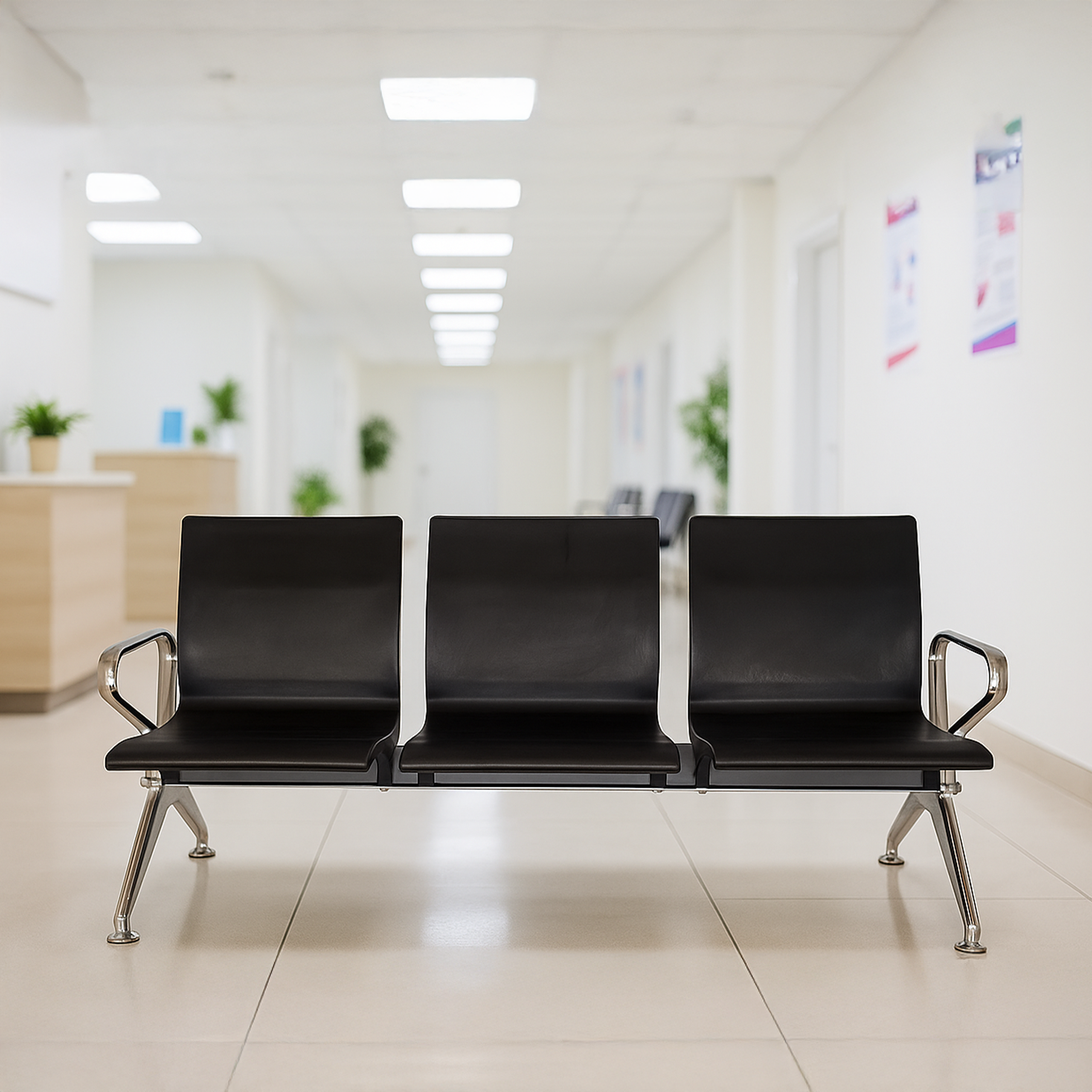
Why Comfortable Waiting Chairs Matter in Public Spaces

Public places,
like hospitals, airports, government business, banks, & travel stations, are usually linked with much waiting by the people who use them. In such facilities, Seating demands a much more important role than most would imagine. Comfortable waiting chairs are not mere furniture pieces but are directly related to user experience, efficiency, and the overall impression of a public space. Here’s why they matter so much.
First,
comfortable waiting chairs reduce physical stress. People waiting in public areas may sit for several hours, usually during stressful moments like medical appointments, travel delays, or administrative processes. Ergonomic waiting chairs with proper back support, comfortable seating angles, and ample cushioning avoid distress and fatigue. This way, it is certain that the guests will keepsa relaxed and not frustrated or restless.
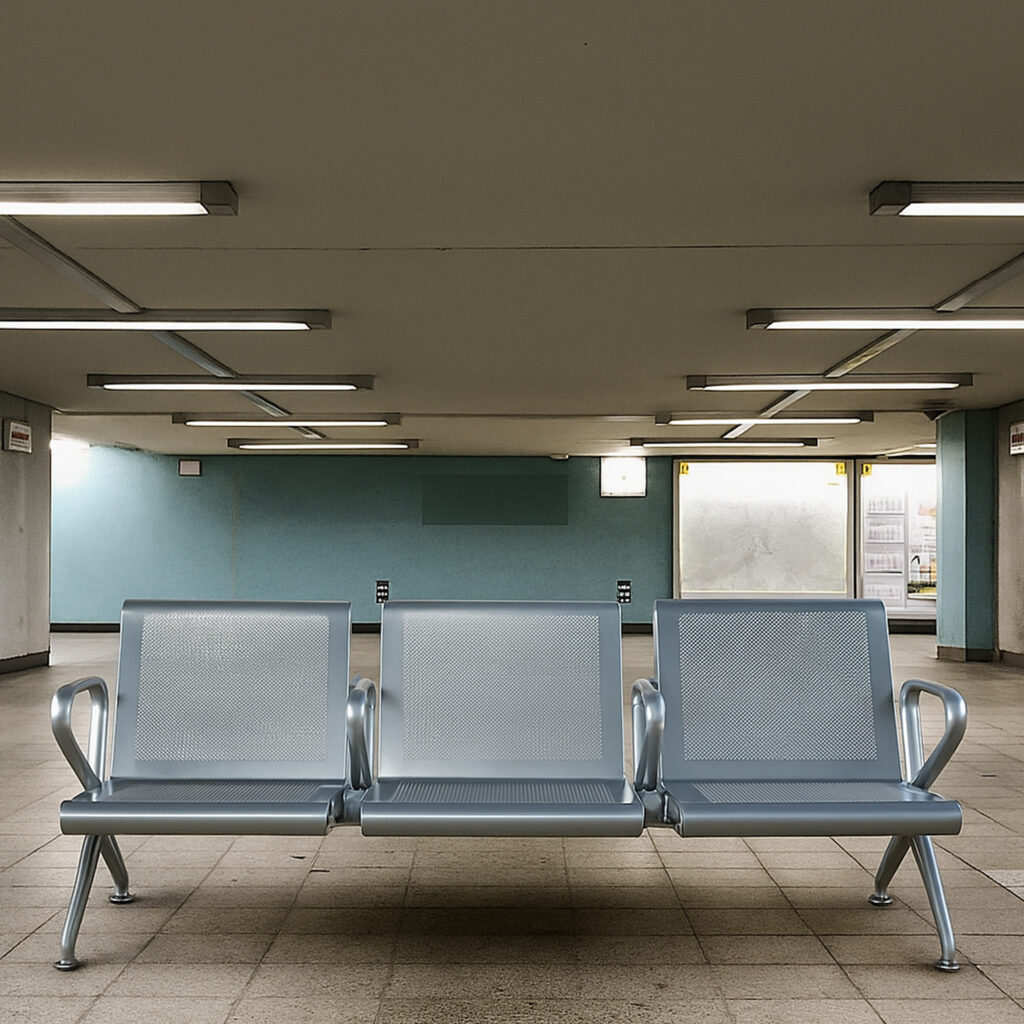
Comfortable seating further begets good crowd control:
with comfort and functional chairs, people would want to sit instead of milling around or obstructing corridors, thus improved smooth passage. Again, this helps keep pathways open, minimizes congestion, and smoothes out the flow of a public space. Seating changes- that are restful and orderly can really make a big difference to safety and efficiency in all high-traffic spot, like at airports or railway stations.
Moreover, the quality of waiting chairs affects the public perception.
Well-maintained, comfortable seating sends a message that the ability values its guests. It creates a feeling of professionalism, care, and hospitality. However, if the chairs are bored or uncomfortable, it gives a reverse impression, even if other services function good. For businesses and public institutions alike, seating becomes part of their brand image and service experience.

Equally, comfortable waiting Seats ensure simple access.
Public spaces are used by everyone, from children to the elderly, pregnant women, and people with mobility issues. Ergonomic designs incorporating armrests, wider seating, and proper height make it easier to sit down and stand up without distress for all users. Accessibility-oriented seating contributes to inclusiveness and makes public areas friendly for everyone.
Another important aspect is durability.

A good-quality waiting chair is designed to withstand heavy use without the loss of shape, stability, or comfort. For durability, shaped plastic, powder-coated metal, or cushioned upholstery with strong frames is used. Durable chairs reduce the frequency of repairs and replacements, thus saving time and reducing the maintenance cost of public officials or business owners.
Moreover, comfortable waiting chairs reduce stress and anxiety,
especially in sensitive environments like hospitals or clinics. When people are physically supported, their Psyche longer benefits. A well-designed waiting location can make long wait times feel shorter and help create a calmer atmosphere for both guests and staff. Hygiene is further one of the main concerns. Most modern plastic and metal waiting chairs are designed for easy cleaning and maintenance. This is important for health-based public spaces where cleanliness and sanitization take precedence over everything else.