


The Waiting Chair Lifecycle: Raw Material to Reception Hall

In workplaces, banks, airports, and hospitals, waiting chairs are unsung heroes. They greet guests, aid patients, and provide a resting place for travelers — all without anyone considering their lifecycle from factory floor to reception hall. But each waiting chair has an interesting lifecycle of raw materials, artisanal skill, and logistics.
In this article, we’ll guide you through the entire life cycle of a waiting chair, revealing how careful design, high-quality materials, and skilled manufacturing are combined to create beautiful and resilient public seating.
1. Material Selection: The Basis of Excellence
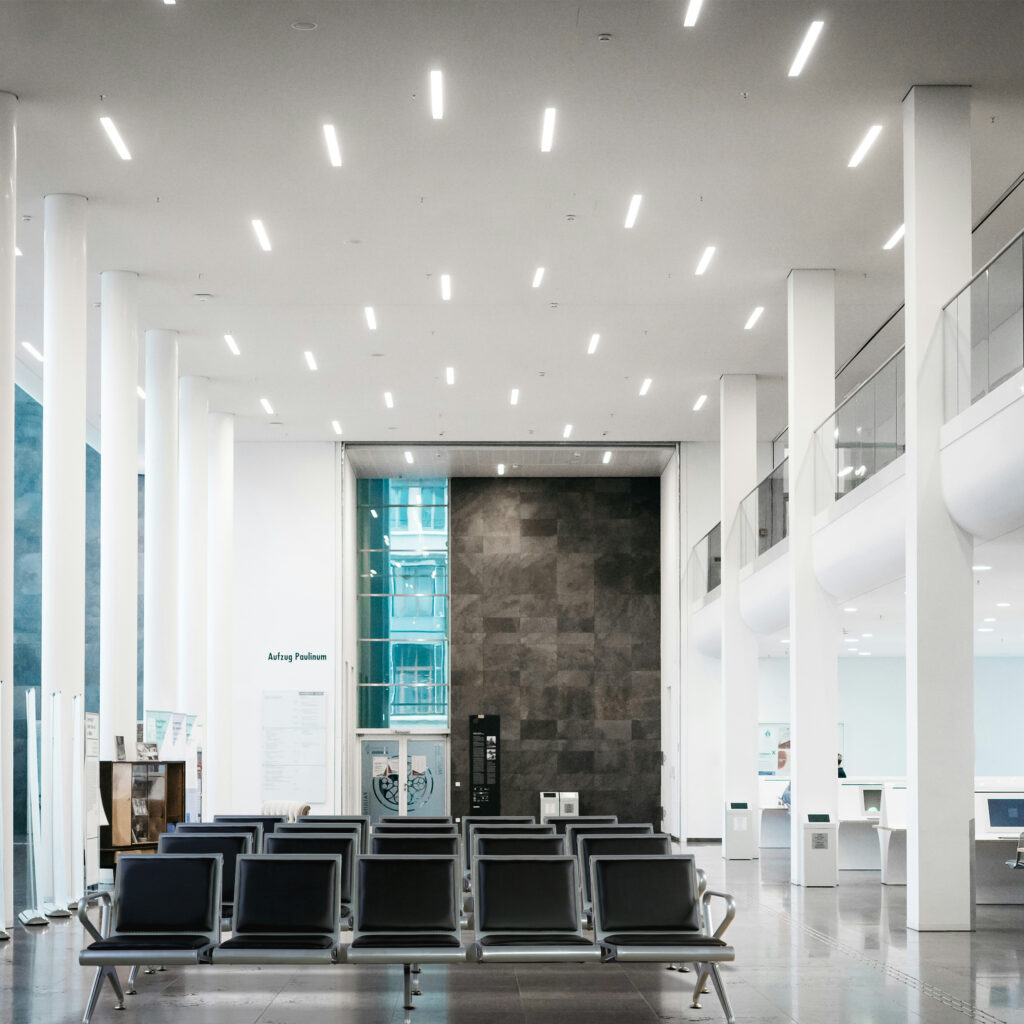
The process starts with raw materials.Manufacturers carefully choose materials depending on their strength, durability, and aesthetic appeal. Most commonly used are:
Metal (mild steel, stainless steel, aluminum): For frames due to their strength and durability.
Polypropylene or molded plastic: For seat shells and backs because of flexibility and simple maintenance.
Foam and upholstery: For cushioned seating in executive or high-end models.
Wood: Occasionally for armrests or trim.
Good materials are critical. Substandard raw materials will result in flimsy frames, cracked seats, or stiff designs — all of which can damage a manufacturer’s reputation.
2. Design and Prototyping: Where Ideas Take Shape
Prior to manufacturing, the chair is designed on CAD (Computer-Aided Design) software. Designers and engineers work together to find a balance between function, ergonomics, and aesthetics. Key design factors are:
✅ Weight capacity
✅ Comfort and posture
✅ Easy cleaning
✅ Space efficiency
✅ Style and color
Following the design process, a prototype is created and tested for durability, comfort, and strength. This phase ensures that possible problems are worked out before large-scale production is initiated.
3. Manufacturing: Precision Meets Craftsmanship
After finalizing the design, manufacturing commences. This is where raw materials are turned into a product.
Cutting and shaping: Metal sheets and pipes are shaped and cut by CNC machines and bending tools.
Welding: To create the frame, expert welders put metal parts together. The durability of such welds guarantees the chair lasts for years.
Surface finishing: Frames get polished, powder-coated, or painted for protection against rust and giving a smooth appearance.
Production of seat and back: Plastic parts get molded, whereas foam seats get cut and upholstered.
Assembly: All the parts are assembled on the assembly line. Last-minute checks are done to ensure all parts are a perfect fit.
4. Quality Control: No Compromise on Excellence
A waiting chair does not go out of the factory without being subjected to strict quality control:
Load testing: Ensures that it can support weight in excess of normal usage.
Stability checks: Ensures that the chair will not wobble or topple over.
Finish inspection: Ensures that surfaces are smooth, paint is even, and welds are clean.
Comfort test: Particularly necessary for high-end models, to inspect cushioning and ergonomics.
This process is paramount — one faulty chair can ruin a brand’s reputation and cause expensive returns.
5. Packaging and Logistics: Ready for the World
After inspection, chairs are specially packaged to avoid damage in transit. They will be sent in accordance with the model:
Fully assembled
Semi-knocked down (SKD)
Completely knocked down (CKD) for local assembly
Logistics personnel arrange shipping between cities, countries, or continents, seeing to it that the correct chairs end up where they should when they need to.
6. Installation: From Factory Floor to Reception Hall
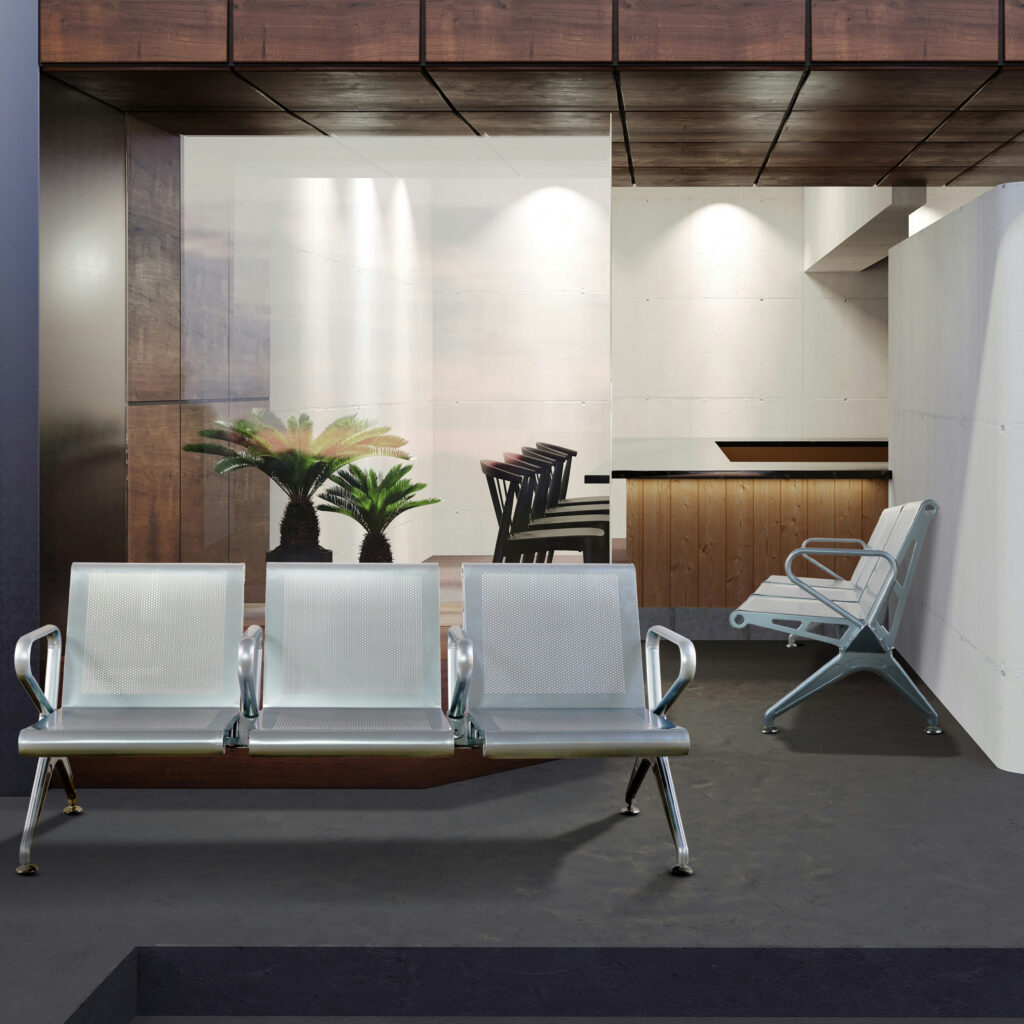
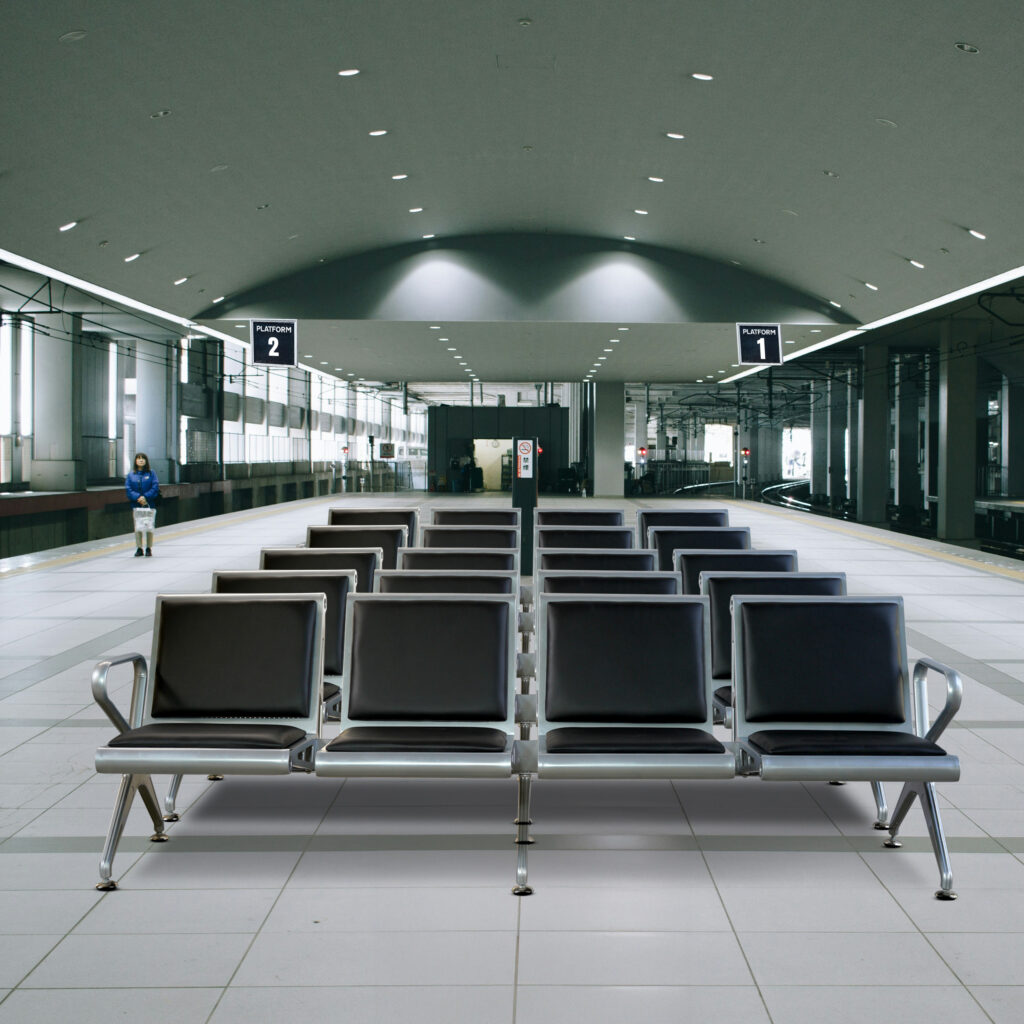
Upon arrival at the destination, installation crews or dealers unpack, assemble (if necessary), and position the chairs to the client’s specifications. From a hospital waiting room to a corporate lobby to a busy railway station, the chairs are positioned to optimize space, comfort, and beauty.
Manufacturers also give instructions or manuals on proper installation so that the seating is as good-looking as it is functional.
7. Usage and Maintenance: Serving People Every Day
Once installed, the chairs fulfill their real function: greeting and accommodating people. Throughout the years, they withstand:
Heavy traffic
Spills that are accidental
Daily cleaning
Occasional abusive use
Adequately made waiting chairs last for many years with little maintenance — thanks to the toughness engineered into each phase of the lifecycle.
8. End of Life: Recycling and Sustainability
When waiting chairs eventually reach the end of their useful life, proper disposal is important. Most manufacturers today pay attention to using recyclable materials and designing chairs that can be easily recycled by disassembling them. Metal frames, plastic shells, and even foam can usually be reused or recycled, minimizing landfill waste and environmental damage.
Conclusion: A Journey Worth Appreciating
The next time you plop yourself down in a waiting room, take a moment to celebrate the journey that chair has undergone. From raw plastic and metal to finished item, through careful design and skilled workmanship, waiting chairs are truly an example of functional art.
At WaitingChairsManufacturers.com, we hail manufacturers who realize that each step in this lifecycle is important — because when it comes to public seating, quality is not just for the instant you sit down but for the years of service after.