


The History of Seating: Why Today’s Spaces Need Today’s Chairs

Have you ever considered how different our chairs have become? From stone benches of old to the modern, ergonomic seating we use today, seating has developed in step with the way we work and live.
Modern life requires modern solutions—and our chairs are no exception. Let’s embark on a history of seating and see why modern spaces need modern chairs.
Rocks to Thrones: Brief History of Seating
People sat on rocks, logs, or the ground thousands of years ago. There was no frill or comfort to it—it was just practical. Moreover, every person developed, so did the concept of seating:
Ancient Egypt: Chairs were reserved for royalty and the rich and were usually decorative, gold-adorned affairs. The rest of the population used stools or mats.
Ancient Greece and Rome: Chairs became more widespread with carved wood patterns and cushioned seats for the rich.
Medieval Europe: Chairs were a mark of power—imagine great thrones for kings while everyday people still just used plain benches.
Victorian Era: Chairs grew more elaborate, with rich fabrics and detailed woodwork. Comfort became increasingly important.
20th Century: With the transformation of homes, places of employment, and public spaces, chairs evolved too. Designers paid attention to comfort, aesthetics, and mass production.
By the time we arrived at the modern era, chairs weren’t only for sitting—chairs were instruments of comfort, health, and even expression.
Why Modern Life Needs Modern Chairs
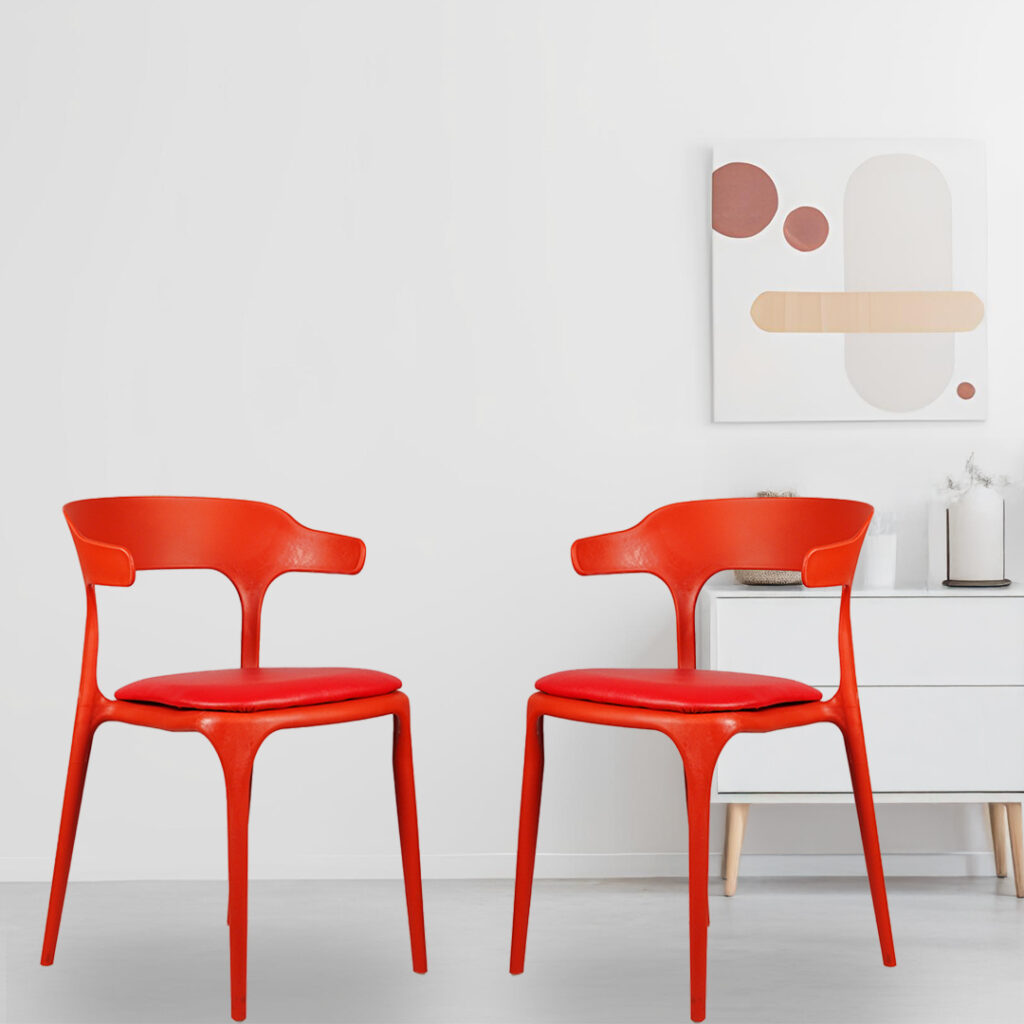
We now spend more hours sitting more than the next group before it. Whether we’re working at a laptop, playing games, eating, or just lounging, our Adequate support is necessary for bodies. That is why contemporary chairs are created to address contemporary demands.
1. Comfort and Ergonomics
Contemporary chairs are constructed to provide support for your body:
Ergonomic contours that mirror the natural shape of your back
Adjustable elements like higher too seat height, tilt, and Lumbar support
Comfortable cushions and breathable materials that keep you at ease for hours
A few decades ago, a chair was only a sitting spot. Nowadays, Additionally, it is all being healthy and pain-free.
2. Aesthetics and Style
New-age spaces—homes, places of employment, cafés—are planned with aesthetics in mind. A heavy, outdated chair can mar the dashing look of a modern room. Chairs these days are available in:
Simple designs for modern spaces give your space some personality
Thin materials like higher too metal, mesh, or plastic that has been moulded
Chairs today are not just about being functional but in terms of looks.
3. Space Efficiency

Modern life is often about having less time, especially in metropolitan settings. Modern chairs are created to:
Natural heat and easy to move
Stack or fold up when unused
Occupied less floor space without loss of comfort
Compared to the bulky, heavy furniture of the past, this is An Important progress.
4. Sustainability
Consumers today are concerned with the environment. Most contemporary chairs are:
Produced from recycled materials
Constructed for durability, minimizing waste
In this end of their life, they are easily repaired or recycled.
This emphasis on sustainability is a notable change from earlier times of disposable furniture.
Chairs to be a Reflection of Contemporary Life

The history of seating is A story about human history. Chairs in the earlier mentioned status and wealth. Today, they show our values:
Comfort and well-being
Beauty and style
Efficiency and practicality
Environmental responsibility
A contemporary chair isn’t merely where we sit—it’s a way we live, work, and show up.
Why Your Space Needs Modern Chairs
So, why should modern spaces have modern chairs? Because they’re for the way we live now. They make us feel more comfortable, stay healthier, look great, and work with our active, changing lives.