

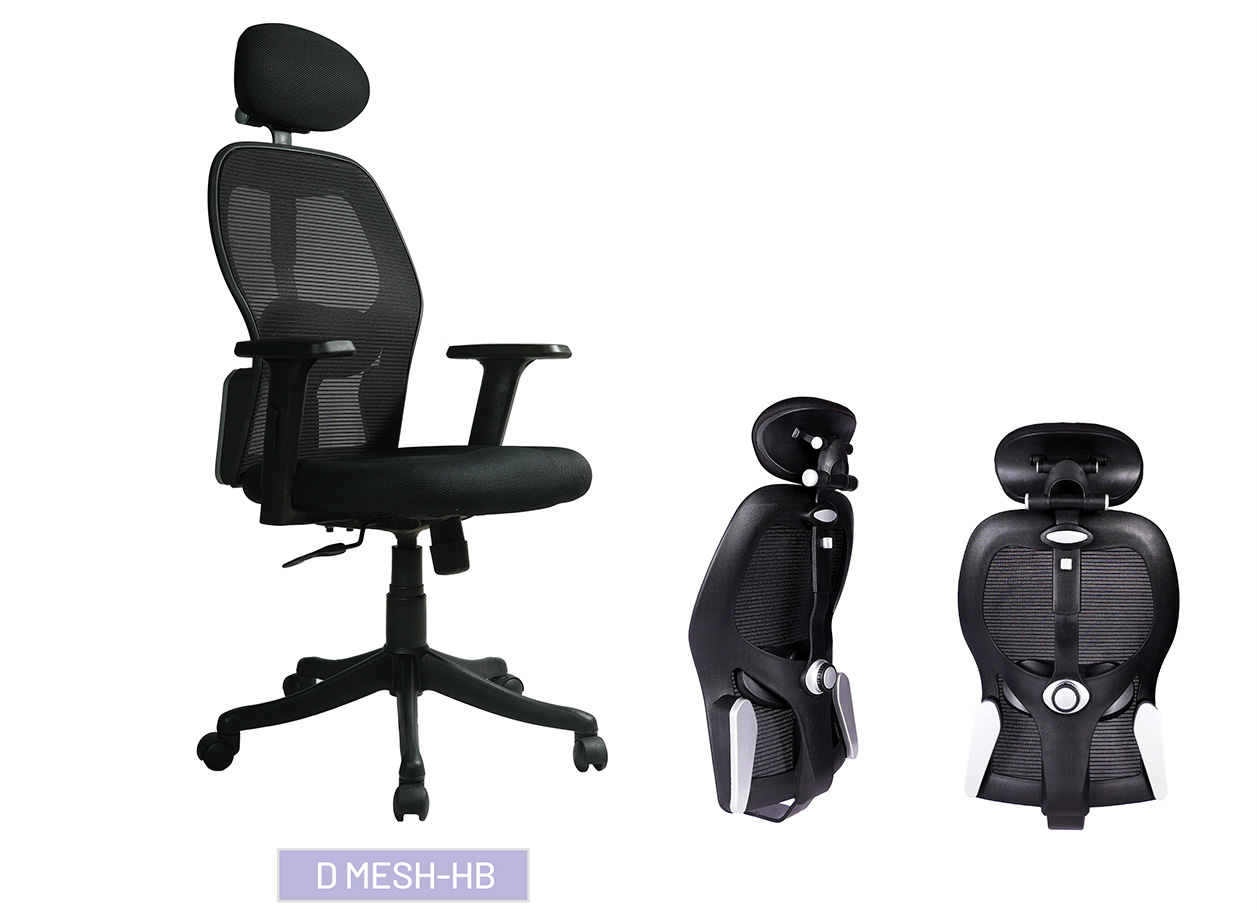
Testing and Quality Control in Manufacturing of Chair Components

In chair manufacturing, injured
plastic and metal Manufacturing of chair testing and quality control are important aspects of ensuring the safety, strength, and overall performance of the end product. As customer demand increases and regulations tighten, manufacturers turn their attention to stringent testing processes and strict quality control measures to provide high-quality products.
Why Quality Testing and Quality Control are Important
Chair parts, i.e., legs, armrests, backrests, and bases, play an part in the stability and comfort of the end chair. A minor flaw in every of them can result in structural failure, leading to safety risks and brand reputation damage.
Successful testing and quality control guarantee:
Conformity to industry safety regulations.
Long-term product performance.
Consistency of products and proportions.
Increased client contentment.
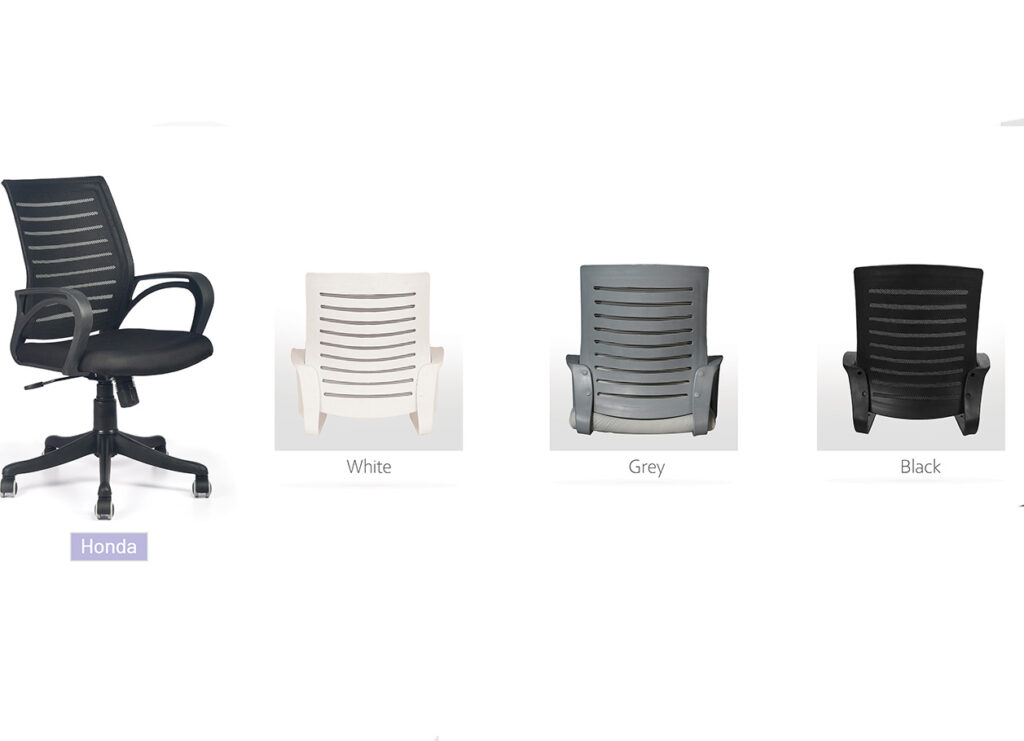
Key Testing Stages of Chair Part Manufacturing
1. Testing of Materials
Raw material quality has a direct impact on chair part strength and lifespan. The following are common tests:
Tensile Strength Test: Checks the amount of stress a material can withstand before it breaks.
Impact Resistance Test: Tests The ability of plastic or metal parts to withstand shock without cracking.
UV Resistance Test (for plastic components): Tests that the part does not degrade or discolour when exposed to sunlight over a period of time.
2. Dimensional Accuracy and Visual Test
Each The the the chair needs to be the same. design specifications in order to properly phrase together in the assembly stage.
Measurement Test: Precision measurement instruments, like calliper sand measuring of coordinates machines (CMM), are employed to Verify the dimensions.
Surface Finish Inspection: Visual inspections or digital imaging systems identify defects like cracks, rough warping and surface quality, or discoloration.
3. Load and Fatigue Testing
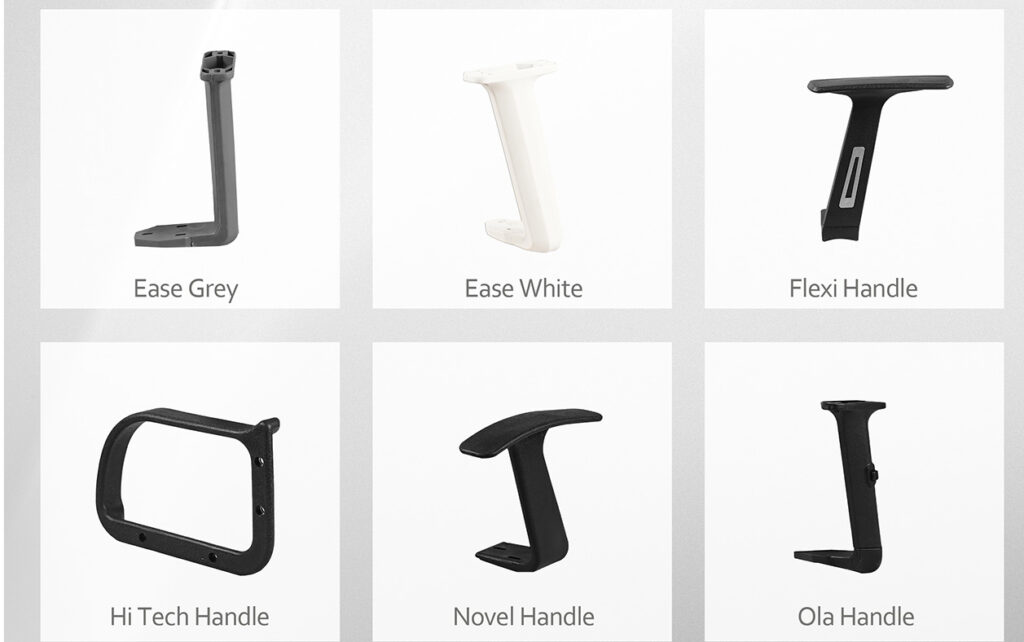
Load testing mimics actual stresses by putting weight and pressure on chair parts to chair parts to ensure their structural stability.
Static Load Test: Components undergo a given load to Check to see if they can support the necessary weight without deformation.
Fatigue Testing: Cycles of repeated stress mimic long-term service and assist in the detection of elements that will fail with time.
Quality Control Systems and Standards
A sound quality control system generally comprises:
Incoming Material Inspection: Each lot of raw material is thoroughly looked into before production.
In-Process Inspections: Random inspections are made during manufacturing to catch defects early and stop defective parts from progressing through production.
Final Inspection: Complete parts of chairs are subjected to final checks for dimensional tolerances, strength, and complete before packaging.
Most manufacturers follow internationally accepted quality standards like:
ISO 9001: Guarantees quality management systems that are consistent.
ANSI/BIFMA Standards: Used most widely to test commercial furniture, establishing performance requirements for safety and durability.
The Role of Automation in Quality Control
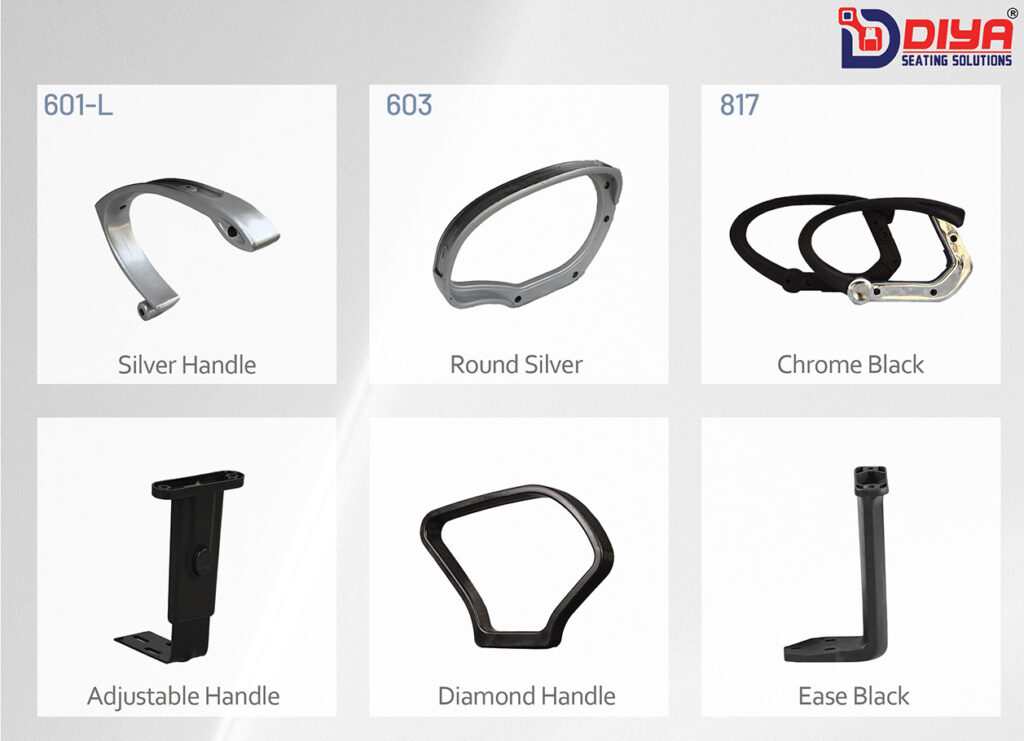
Modern manufacturing of chair parts increasingly depends on automation for precision and efficiency:
Automated Optical Inspection (AOI): Utilizes cameras and computers to identify surface defects or dimensional errors faster than manual inspection.
Robotics in Load Testing: Robots exert even pressure and movement in load and fatigue testing, reducing human error improving repeatability.
Testing and quality control are the cornerstones of chair part production, ensuring product performance, safety, and customer confidence. Through integration of material testing, dimensional checks, load and fatigue tests, and adopting cutting-edge automation technologies, manufacturers can ensure repeated production of high-quality chair parts demanded by the marketplace.
Investment in thorough testing methods that don’t only contributes to regulatory compliance but fosters long-term Customer essential in surviving in the competitive furniture market.