
Selecting Between Metal, Plastic, and Cushioned Waiting Chairs

Waiting chairs are a norm in areas like lenders, locations, & facilities, salons, & transport hubs. However, selecting the appropriate type—metal, plastic, or cushioned—can further make a discernible difference in terms of comfort and perception. Each is used for a distinct purpose based on the location, budget, frequency of use, and visual priorities. Let’s analyze the benefits and disadvantages of each to guide you through making a good decision.
Metal Waiting Chairs: Long-Lasting and Easy to Maintain
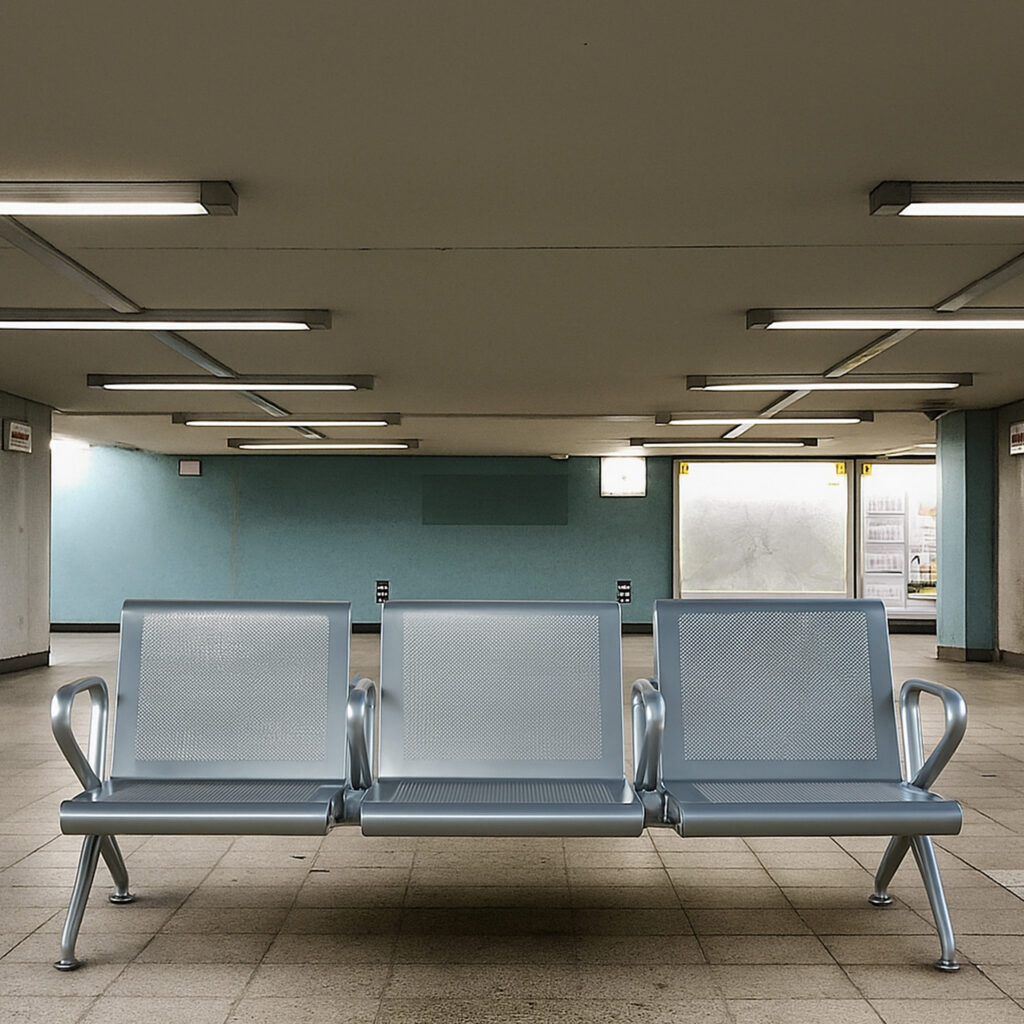
The ultimate in stability are metal chairs, which can be made of coated iron or stainless steel. These are perfect for heavy-usage locations like hospitals, train stations, and public service facilities where the furniture must bear continuous use.
Advantages:
incredibly resilient and long-lasting
Wear and vandal-proof
Easy to clean and maintain
Often available like fixed or linked seats configurations
Disadvantages:
Feeling cold and uncomfortable for extended sitting durations
Heavy to move or reconfigure
May not have visual heat or softness in terms of appearance
Optimum for: official work place, hospitals, & transit hubs where it is crucial to have durability and cleanness.
Plastic Waiting Chairs: Lightweight and Economic
Plastic chairs are underappreciated, but they are a practical and effective solution for most settings. They come in a variety of colors and styles, so they can be used in relaxed or semi-formal environments.
Advantages:
Lightweight and simple to move
Come in several colors & styles
Resistant to rust and moisture
Affordable
Disadvantages:
Less long-lasting under heavy use
Susceptible to scratches or cracks over time
May not have ergonomic support
Suitable for: Clinics, salons & little businesses, or schools where cost and adaptability are necessary.
Cushioned Waiting Chairs: Where Comfort Meets Aesthetics
Of the three, upholstered or soft chairs are the most comfy. They can usually be seen in high-end waiting areas like hotels & businesses lobbies, or private clinics.
Advantages:
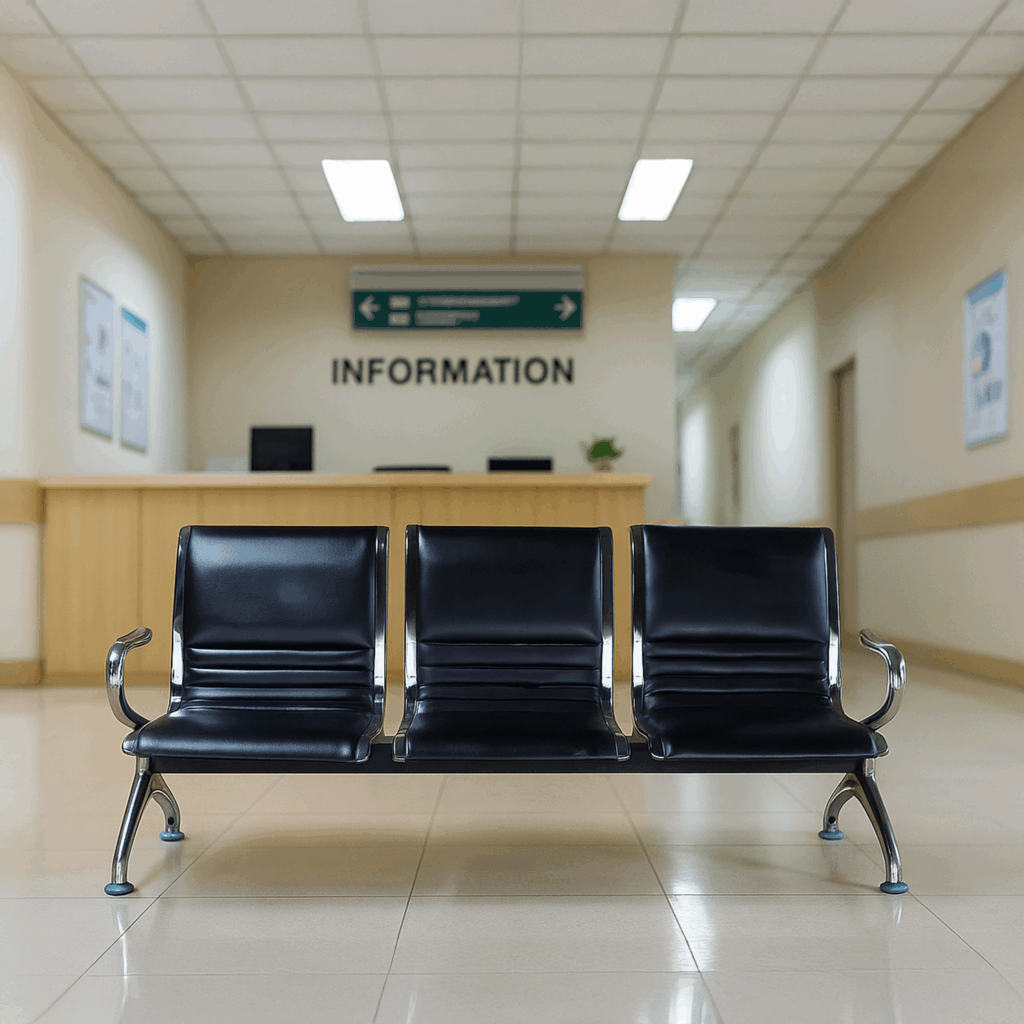
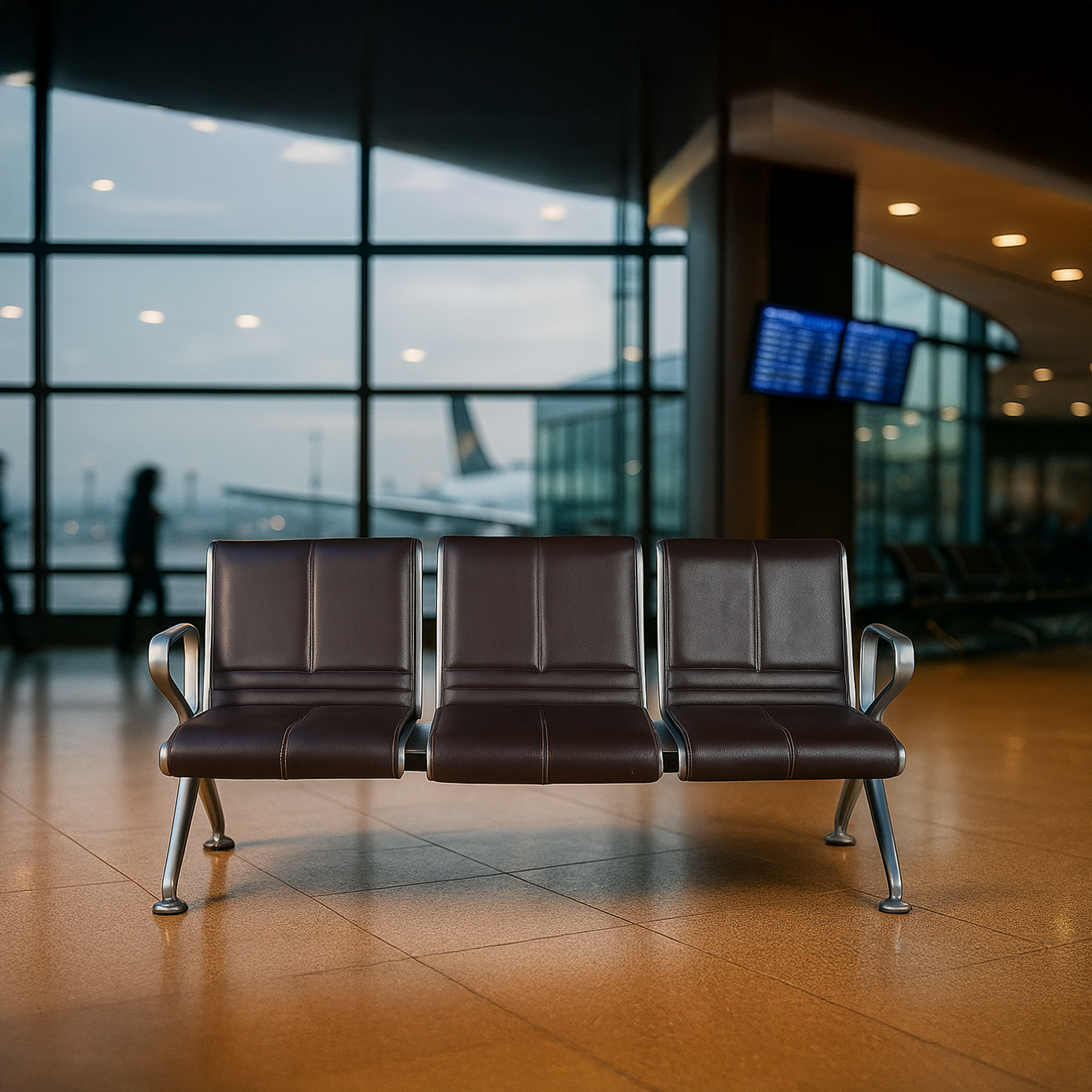
Greater comfort for longer waits
Visually pleasing and luxurious aesthetic
Can be upholstered in fabric or leatherette
Brings heat and softness to the set up
Cons:
Expensive compared to plastic or metal chairs
Needs frequent cleaning and maintenance
Not suitable for areas with frequent spillage or high dirt conditions
Ideal for: Private clinics, clubs and businesses, or reception areas where customer comfort and brand reputation are important.
What Should You Choose?
When choosing the perfect type of waiting seat, think about the following factors:

Traffic level: Metal is perfect for heavy traffic; plastic or cushioned suits low to control traffic.
Comfort requirements: Opt for cushioned seating where there is a long wait.
Budget limitations: Plastic is cheapest, and cushioned suits are more expensive.
Easy maintenance and cleaning: Metal and plastic are winners here.
Appearance needs: Cushioned chairs suit upscale environments.
There isn’t a single solution that works for everyone when it comes to waiting seats. The appropriate selection will be based on your priorities—be it long-term usefulness, economical agility, or a little bit of elegance. Assess your environment, your people, and your future plans, and you’ll find the right seating solution that meets the perfect balance between form and function.