

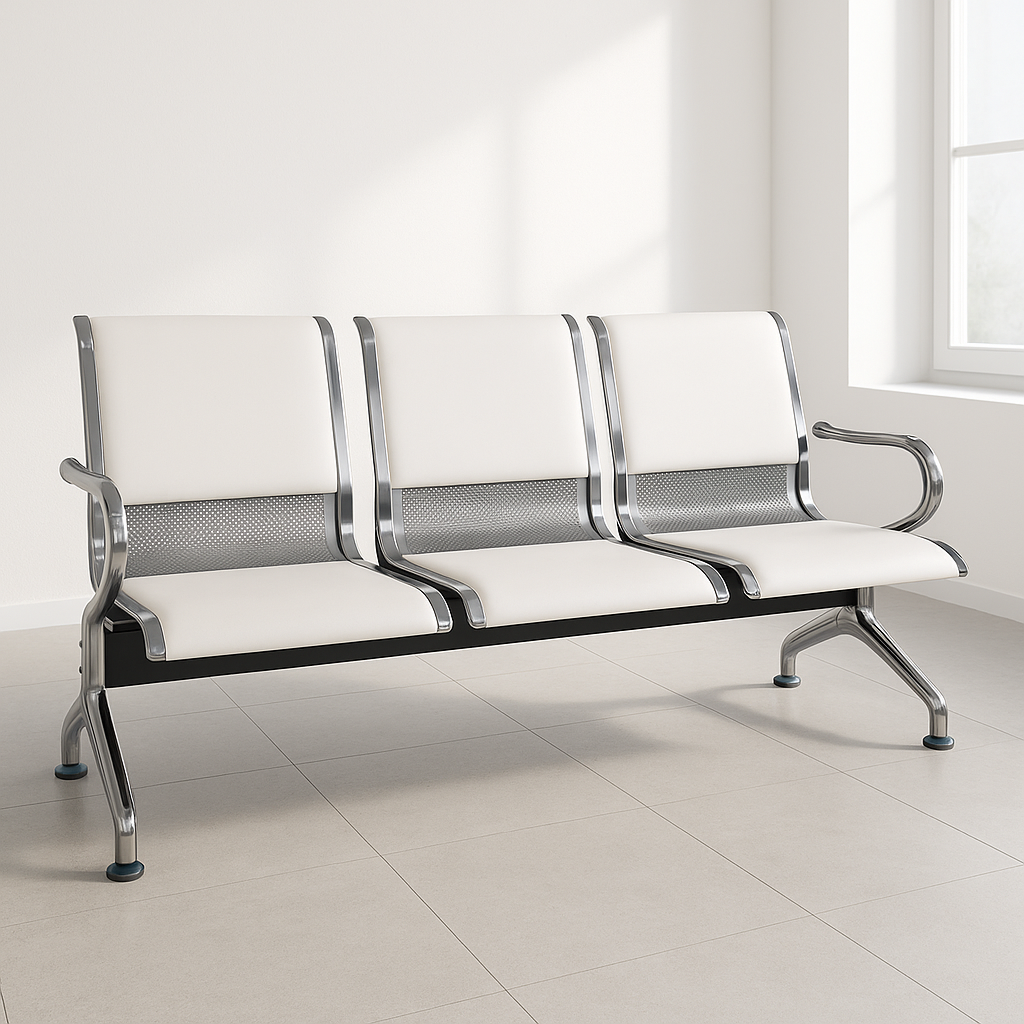
Metal, Wood, or Polypropylene? Selecting the Perfect Material for Heavy-Duty Seating

When you’re equipping high-traffic areas like airports, hospitals, schools, offices, or shopping centers, one choice is more important than most: what do you use your seating material? The right material can save you dollars, improve user comfort, and lower long-term maintenance. The wrong material can result in premature wear, expensive fixes, and unhappy customers.
The three most popular materials for waiting and public seating are metal, wood, and polypropylene. Each has its strengths, weaknesses, and best-use applications. Here’s how to select the best one for your environment.
Metal Seating: Designed for Maximum Strength
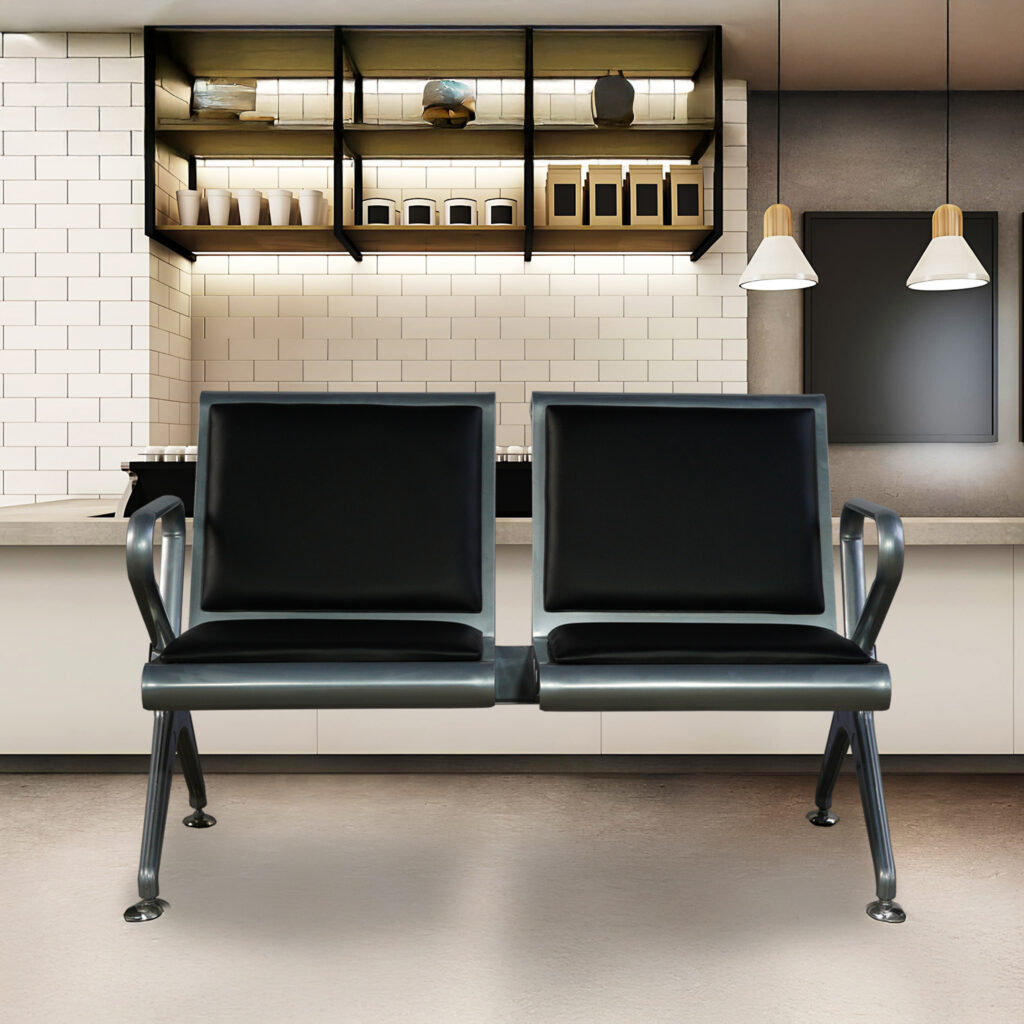
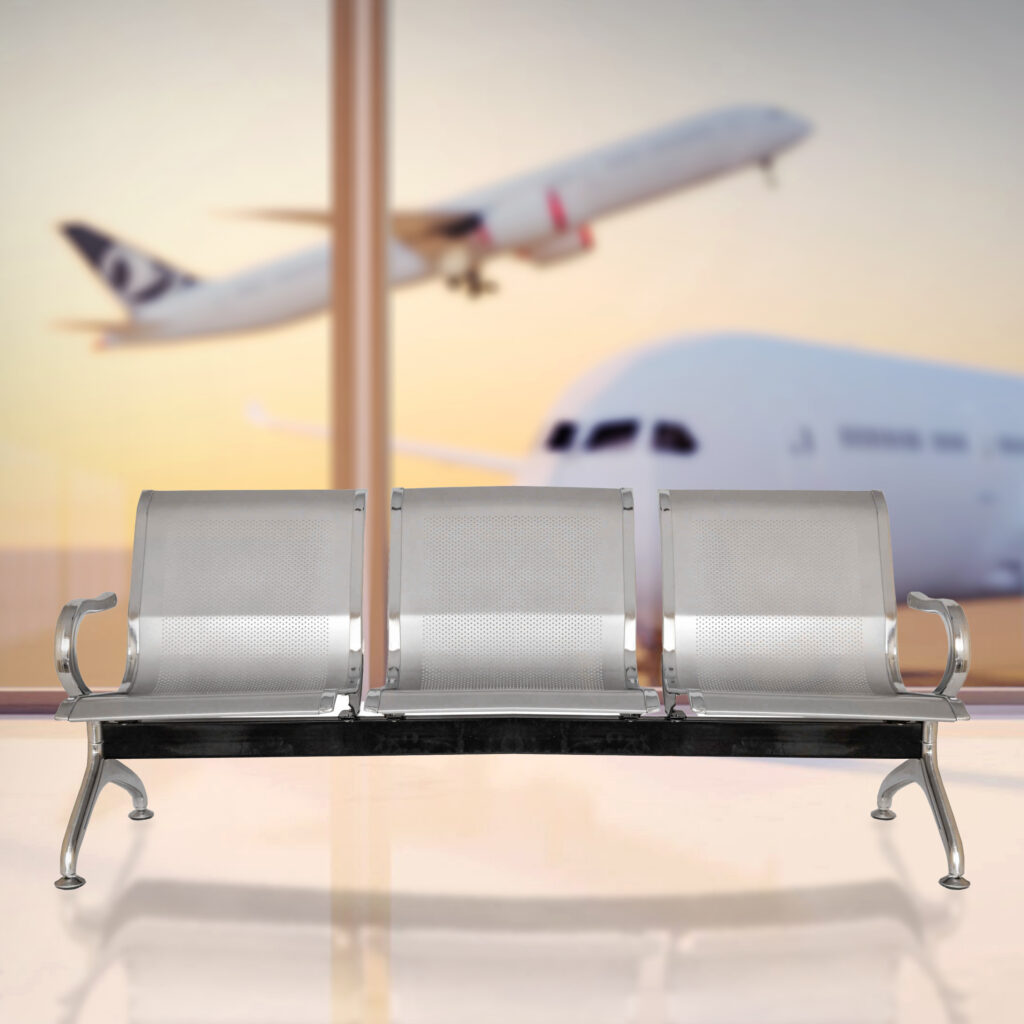
Metal seating — usually constructed of stainless steel, mild steel, or aluminum — is a leading option for spaces where strength is paramount.
Why use metal?
Metal benches and chairs are strong enough to support heavy weight loads and high usage without signs of fatigue. They are impact-resistant, scratch-resistant, and resistant to moisture, especially when powder-coated or chrome-plated.
Advantages:
✅ High durability and strength
✅ High load capacity
✅ Resistant to rough handling and vandalism
✅ Low maintenance and easy to clean
✅ Modern, sleek appearance
Things to consider:
⚠ Metal can be cold and unpleasant to sit on without cushioning
⚠ Requires adequate anti-corrosion treatment in moist or marine environments
Optimal uses:
Railway stations, hospitals, public transportation terminals, government buildings, airports
In heavy-use settings like these, years can pass with little maintenance before metal waiting chairs need to be replaced, making them an excellent long-term purchase.
Wood Seating: Comfort and Enduring Beauty
Wooden seating has symbolized comfort and sophistication for centuries. Whether engineered wood products or solid wood, it adds natural warmth and character to any room.
Why wood?
Wooden chairs provide a high-end feel and easily integrate with luxury interiors. Several designs include cushioned seats for added comfort.
Benefits:
✅ Classic, sophisticated look
✅ Comfortable, especially when used with upholstery
✅ Renewable and sustainable (if responsibly sourced)
✅ Can be repaired or refinished over time
Considerations:
⚠ Prone to scratches, dents, and water damage
⚠ Needs occasional polishing or sealing
⚠ Not as well-suited for harsh, wet, or highly industrial settings
Best uses:
Corporate offices, hotel lobbies, reception areas, libraries, clinics
If you desire to establish a warm and elegant ambiance, wood is an excellent material to use — just expect a bit of added upkeep.
Polypropylene Seating: Lightweight and Versatile
Polypropylene (PP) is a molded plastic that has transformed the furniture market. With its flexibility, affordability, and contemporary looks, polypropylene seating is extremely versatile to different spaces.
Why use polypropylene?
It’s Light but durable, impact-resistant, and comes in a variety of colors and designs. Most polypropylene chairs are stackable, making them a favorite among dynamic spaces.
Benefits:
✅ Light and easy to relocate
✅ Impact-resistant and chemical-resistant
✅ Affordable
✅ Can be had in many colors and finishes
✅ Low maintenance
Things to consider:
⚠ Less weight capacity than metal
⚠ Can become discolored or fade from extended UV exposure
⚠ Doesn’t necessarily have the high-end feel of wood or metal
Best uses:
Schools, cafeterias, event venues, healthcare facilities, community centers
Polypropylene seating works well where flexibility, cost, and ease of cleanliness are highest concerns.
How to Make the Right Choice
To choose the perfect material for your heavy-use seating, keep in mind the following points:
✅ Traffic count: How frequently will individuals sit on the chairs daily?
✅ Setting: Will the chairs be utilized in indoor, outdoor, or high-humidity locations?
✅ Comfort level: Will individuals remain seated briefly or for extended times?
✅ Appearance: What mood do you desire to develop? Modern, traditional, laid-back?
✅ Maintenance requirement: Do you have personnel who can take care of maintenance and cleaning?
✅ Budget: What are your immediate and long-range financial goals?
Blending Materials for Optimum Performance
Most manufacturers today provide hybrid designs blending the advantages of several materials. For instance:
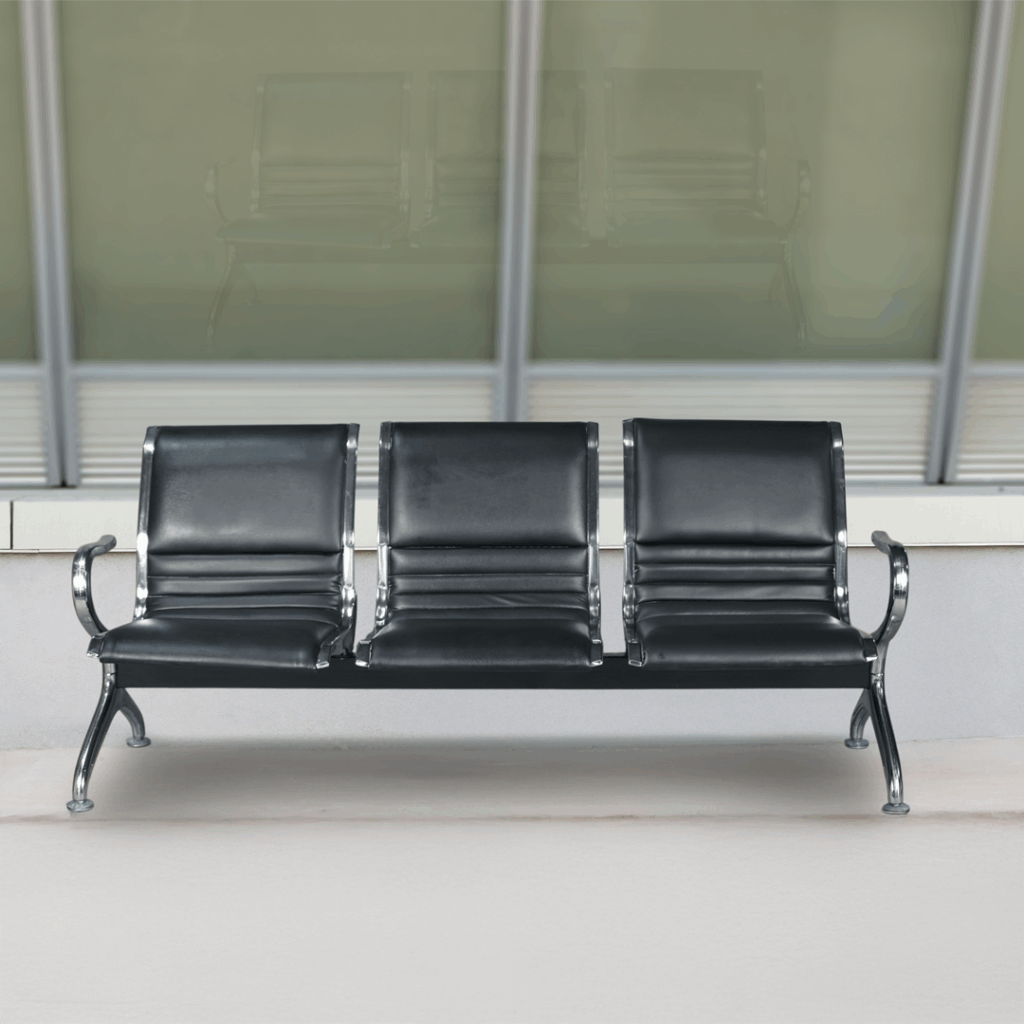
Metal frames with polypropylene seats and backs
Wooden seats with metal underframes
Polypropylene shells with metal bases
These blends enable you to attain durability as well as design versatility.
There is no one-size-fits-all solution when it comes to high-traffic seating material. Metal can’t be beat for strength and durability, wood provides classic elegance, and polypropylene provides functional flexibility. By knowing the individual needs of your area and balancing the advantages and disadvantages of each material, you can make a decision that provides comfort, durability, and style for many years to come.
At WaitingChairsManufacturers.com, we assist you in finding the most suitable seating solutions for your requirements. Whether you are furnishing a hospital, airport, school, or office, our professionals are available to assist you through the process.