

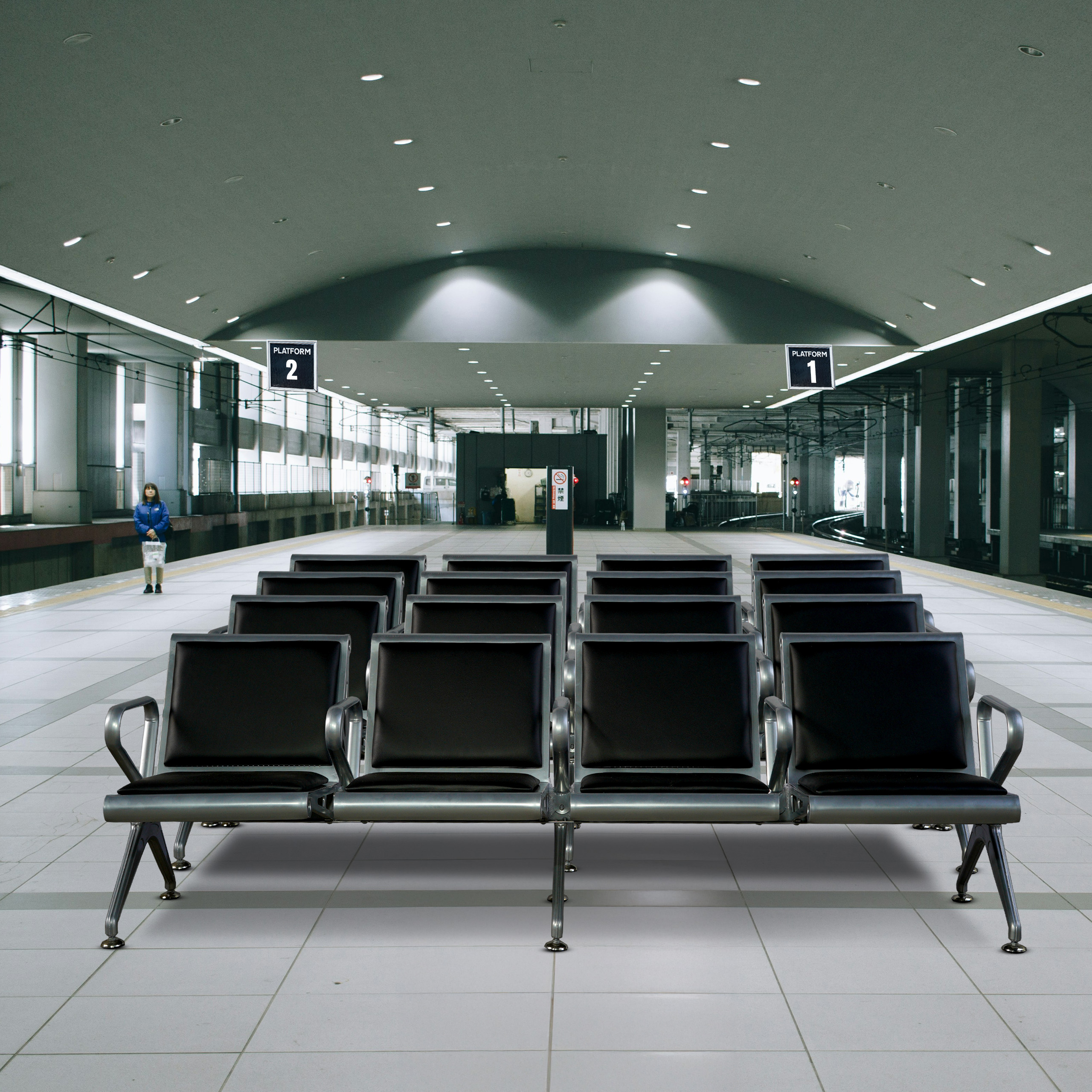
Inside the Frame: What Goes into a Durable and Sturdy Waiting Chair

When we enter a hospital, airport, office, or clinic, we take the waiting chairs for granted. We sit on them, anticipating that they can support our weight comfortably, without paying much attention to how they are built. But behind a dependable waiting chair is careful consideration, meticulous material choice, and accurate craftsmanship.
For waiting chair manufacturers, knowing what makes a chair sturdy and robust is the key to providing durable products. Here’s a peek “inside the frame” to see the key factors that provide durability and performance in high-traffic seating.
1. The Foundation: Frame Material
The frame is the backbone of waiting chair. It should be strong enough to withstand heavy and repetitive use for years without bending, cracking, or breaking. Typical materials used are:
✅ Steel:
Powder-coated or stainless steel frames are the standard in public seating. Steel provides superior strength, corrosion resistance, and load-carrying capacity, making it suitable for airports, hospitals, and government offices.
✅ Aluminum:
Lighter than steel but equally strong, aluminum is prized for its rust resistance and sleek, contemporary appearance.It is frequently utilized in outdoor or seaside projects.

✅ Wood:
Though less popular in public areas, wooden frames provide warmth and a traditional appearance. Engineered hardwoods or plywood with metal supports are utilized to provide additional strength.
Key point:
The foundation for lifespan is determined by the frame’s substance. Steel is generally used in high-traffic settings, but wood and aluminum each have their own niche based on design and application.
2. Structural Design and Engineering
Material does not equal strength — the design of the frame is just as important.
✅ Cross-bracing and reinforcements:
Quality waiting chairs usually have crossbars or braces that evenly distribute weight and suppress wobbling. Strengthened joints at loaded points like legs, arms, and junctions of the seat improve structural support.
✅ Weight distribution:
The greatest designs evenly spread the user’s weight throughout the whole frame and not concentrated at one point. This minimizes bending or cracking over time.
✅ Welding quality:
For metal chairs, clean, firm welds guarantee that the frame stays together with repeated use. Bad welding is a vulnerability that can rapidly cause collapse.
3. Load Capacity and Testing
All waiting chairs must be constructed to accommodate notably more than the typical user’s weight.
Good-quality producers test their chairs under harsh conditions, loading them with weights far in excess of what would normally be expected. For instance, a typical waiting chair may be tested to have a load-bearing capacity of 120–150 kg, but it is commonly tested at notably higher loads to include safety margins.
Testing encompasses:
Static load tests (statically applying weight without movement)
Dynamic load tests (mimicking movement and impact)
Durability tests (performing the same motion tens of thousands of times)
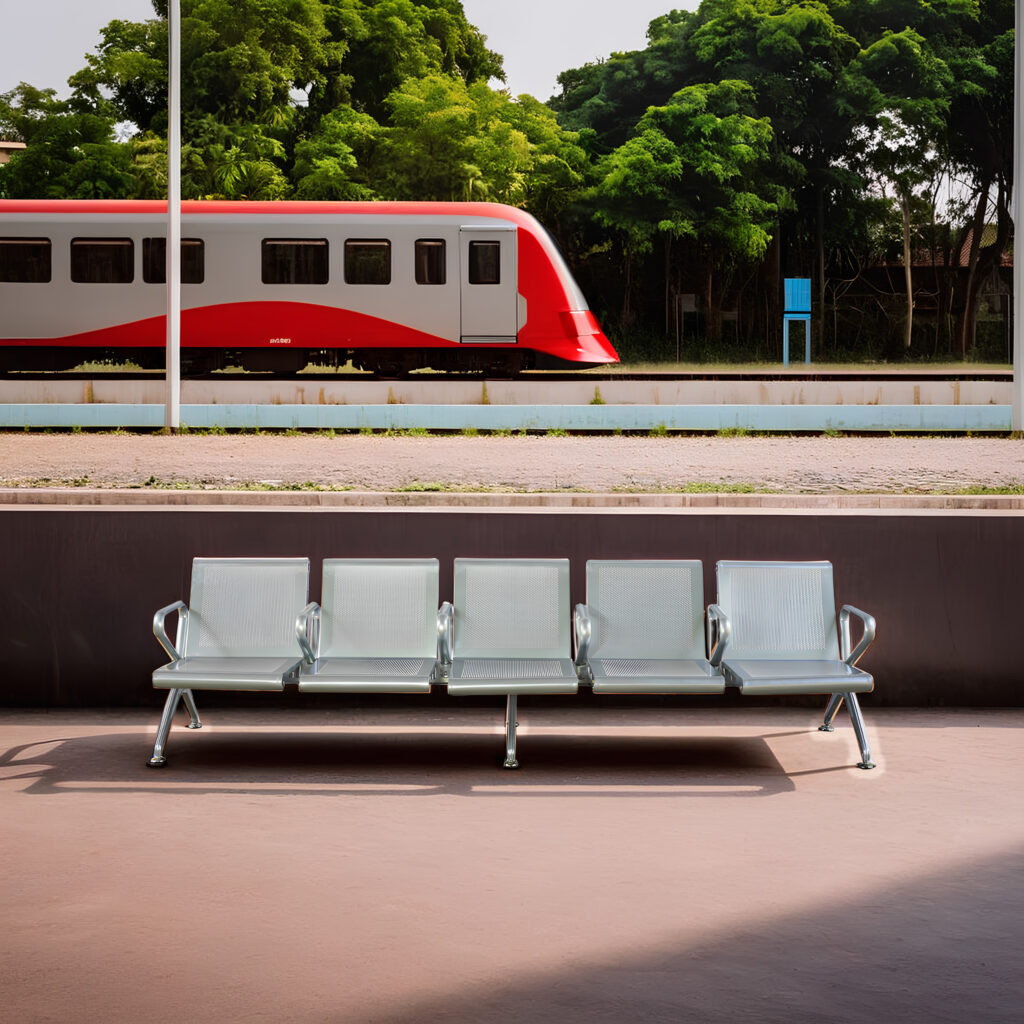
4. Joint and Fastener Quality
Joints are where most chairs eventually break down. Firm, precision-built joints between frame components are essential.
✅ Bolted joints:
If bolts are employed, they must be high-strength, rust-proof, and tightened to specific torque values.
✅ Welded joints:
Welding, in metal chairs, must be uniform, clean, and tested for defects.
✅ Glues and adhesives (for wood):
If wood is being used, the frame must only be held together by industrial-strength adhesives and mechanical fasteners (like screws or dowels).
5. Surface Finishing and Protection
The strongest chair in the world will collapse if the frame isn’t protected from the environment.
✅ Powder coating:
Popular on metal frames, powder coating leaves a durable, scratch-, and rust-proof surface.
✅ Anodizing (on aluminum):
Increasing corrosion resistance, plus appearance.
✅ Lacquers and sealants (on wood):
These finishes resist wood to moisture, scratching, and damage by UV radiation.
Finishing not only makes the chair better-looking but makes it live longer.
6. Foot Design and Floor Interaction
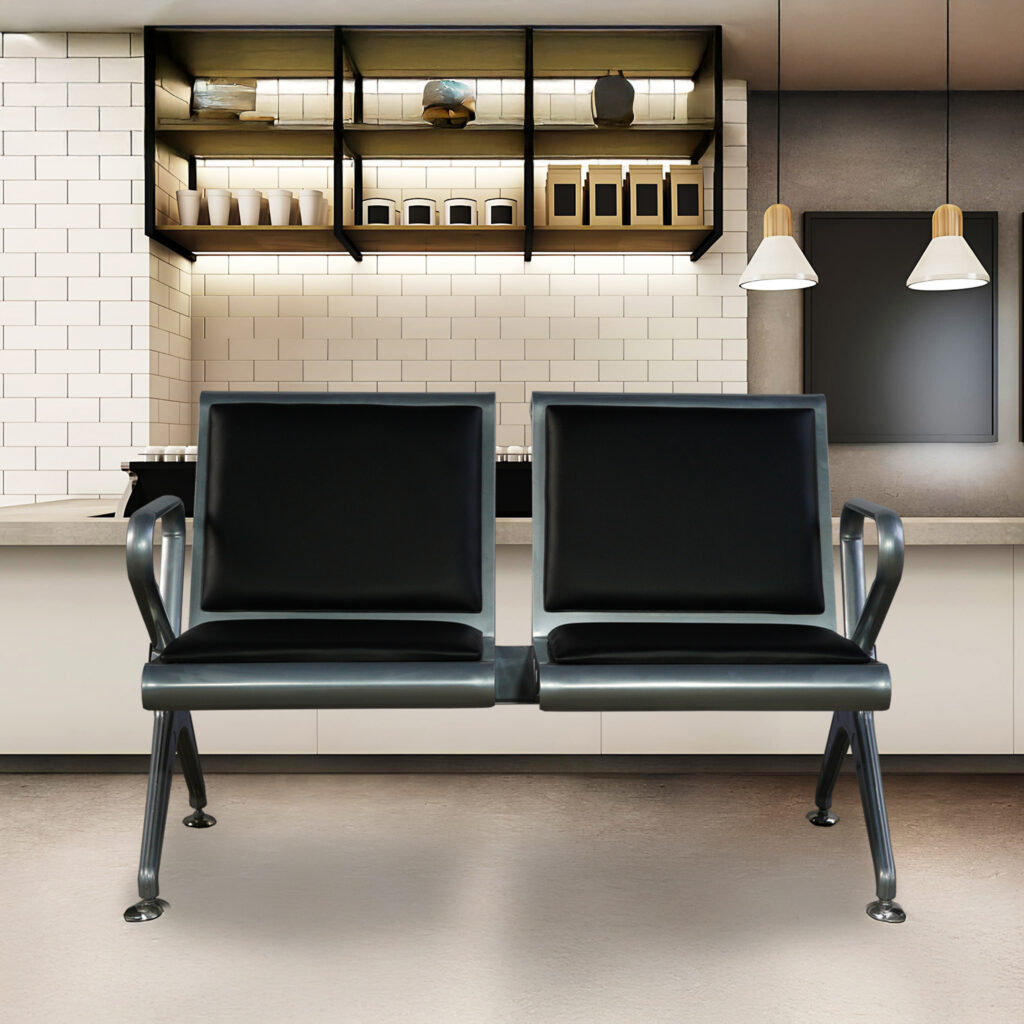
The feet of the chair are very important for stability. The non-slip, rubber-tipped feet keep from sliding, and well-engineered glides transfer weight and minimize stress to the legs. Floor-safe feet safeguard the floor and the chair, especially in rooms that have a fragile surface like hardwood or tile.
7. Maintenance and Longevity
Lastly, no chair ever lives forever with no maintenance. Good chairs are made to be easily inspected, tightened, and repaired.
Be on the lookout for such features:
Replaceable glides or feet
Easily accessible fasteners for quick tightening
Modular components that can be replaced if damaged
Conclusion: Strong Chairs, Strong Reputation
A strong and durable waiting chair is the outcome of smart design, quality components, precise manufacturing, and extensive testing. For manufacturers, attention to these aspects doesn’t merely yield a quality product — it establishes a reputation for excellence and dependability.
Here at WaitingChairsManufacturers.com, we collaborate with reliable manufacturers that grasp the art and science involved in creating lasting chairs. Whichever is to be fitted—hospital, office, airport, or public institution—you can be sure our experienced professionals can guide you toward chair seating solutions offering strength, comfort, and resilience.