
Hybrid Work, Hybrid Seating: Furniture Solutions for the New Office Era

The emergence of hybrid work, where staff spend part of their time in the office and elsewhere, has changed the way businesses’ perceptions of space, productivity, and collaboration. Tin addition to redefining office culture, this shift put more of an emphasis on adaptable, responsive furniture options. Among them, seating holds a central position in providing comfort, efficiency, and ease of access in the new office age.
The Hybrid Work Challenge
Hybrid work Patterns need more than the supplies configurations. With occupancy that varies, team sizes that change, and workers with different styles, companies need to rethink use of space. Offices today need furniture that is modal, reconfigurable, and able to facilitate both collaborative and solo work.
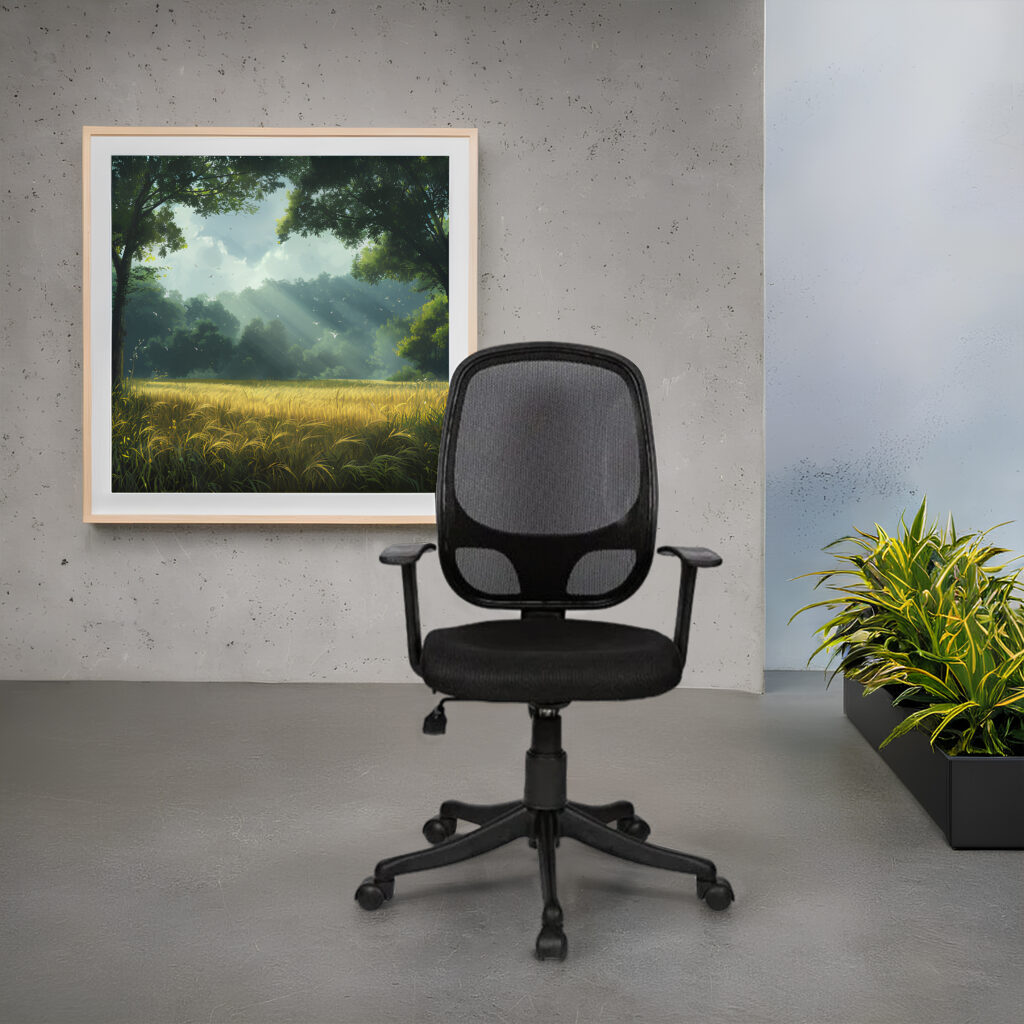
However, seat is especially important. Staff can spend several hours in front of screens, move in and out of meeting rooms, or attend brainstorming sessions that call for agility. Chairs that cannot keep up with these demands threaten to cut down on comfort, productivity, and overall contentment at work.
Ergonomics at the Core
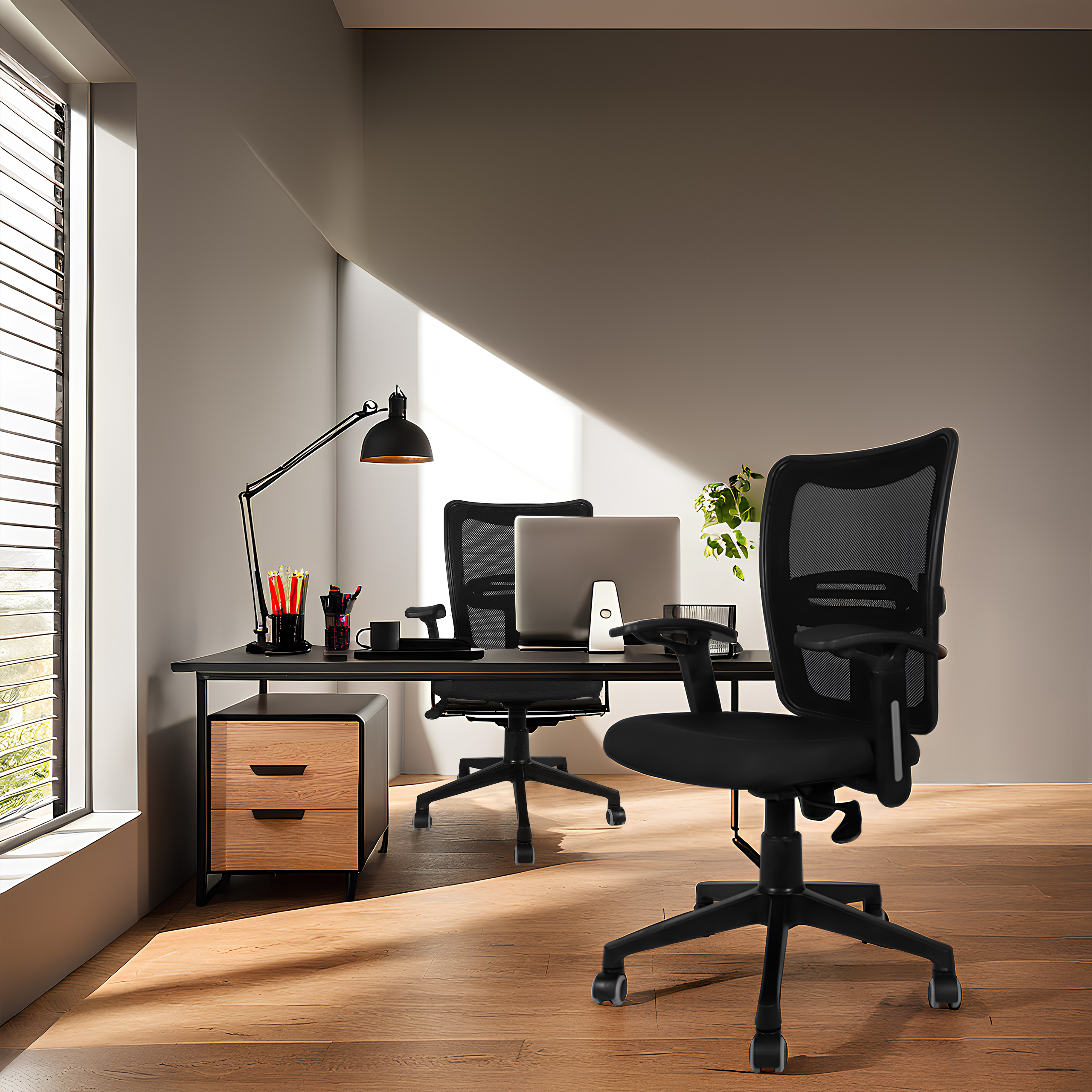
The hybrid office must place a premium on chairs that encourage proper posture, minimize strain, and improve concentration under long-term use. Adjust ability—seat height, lumbar support, tilt mechanisms, and armrests—are no longer optional but rather mandatory. Having ergonomic seating allows employees to feel at ease no of if they are in the office for a few hours or the whole day.
In addition, Hybrid configurations to involve shared desks or hot-decking protocols. Adjustable ergonomic chairs with personal customization are especially important in these circumstances, allowing people to to quickly fit the chair to their specific requirements. This promotes exclusivity so that all users, or not by body type or choice, have a comfortable experience.
Flexibility and Mobility
Workplaces in this hybrid age need to be flexible. Open areas could be converted into collaboration spaces, and the Quiet areas could become temporary work spaces. Seating systems need to be Light, stack able, or movable chairs allow rapid re-arrangement without interfering with the work process. Task chairs with smooth-gliding casters, collaborative pod seating, and Multi comfortable and useful place chairs all assist in an adaptive space.

Furthermore, the increasing trend of hybrid meetings—where both distant and in-person participants join at the same time—demands seating that accommodates both digital engagement and face-to-face interaction. Easy-to-move and comfortable Options allow employees to be ready for video conferencing while they still engage with coworkers in the room.
Aesthetic and Cultural Alignment
Furniture represents the company’s culture and beliefs in addition to being a practical necessity. In the hybrid office, where it is easy for culture to feel disconnected, well-considered seating design serves to strengthen feelings of belonging. Sleek, contemporary chairs in coordinating schemes promote a sense of greeting, establishing the tone for employees to think of the provide to be a collaborative environment and not an obligatory one.
Additionally, sustainable materials and green the of seats reveals an organization’s dedication to ethical practices. With the growing importance of sustainability to employees, these decisions can cement brand reputation and build loyalty.
Investing in the Future
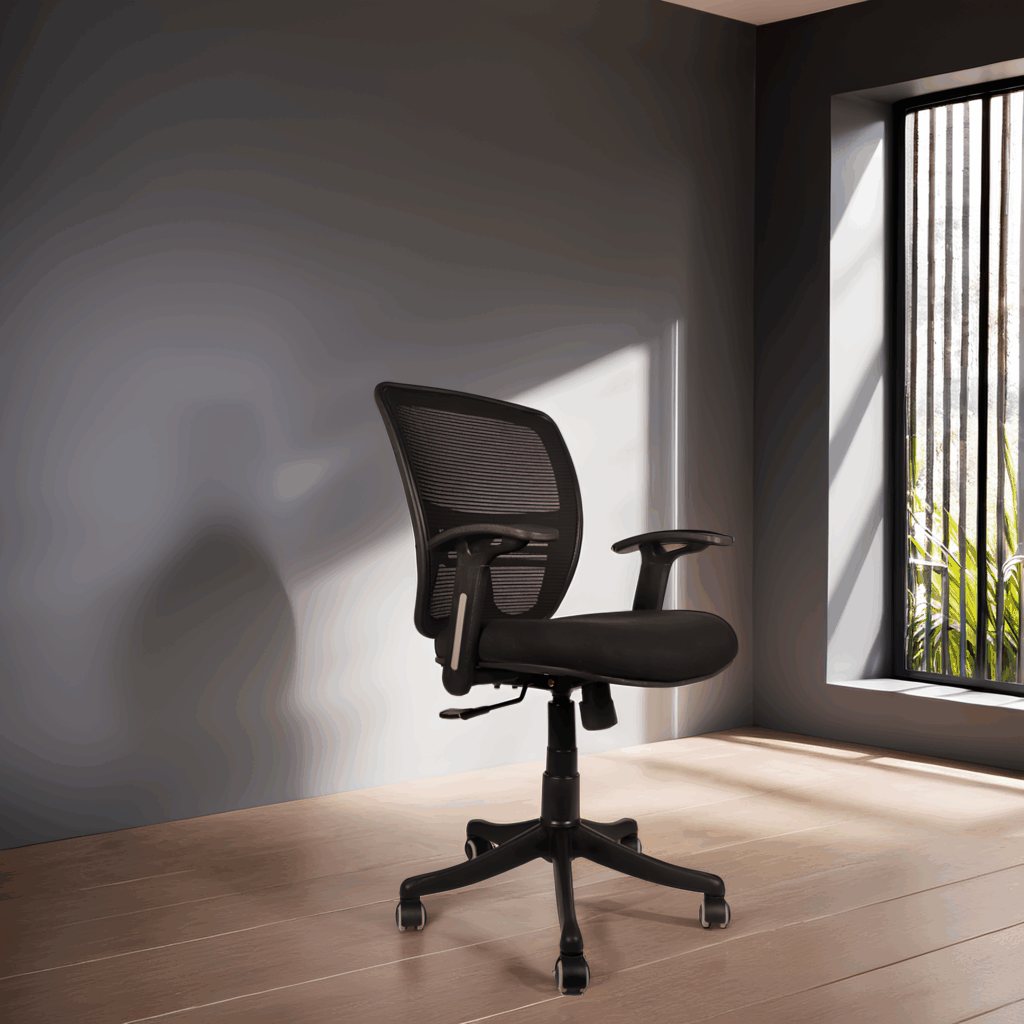
The hybrid model is not a fleeting fad but a lasting change in the way we work. Companies that make investments in adaptive seating options are, in effect, investing in employee well-being and productivity. Seats that combine ergonomics, Modify ability, and beauty put businesses in a position to succeed in a changing business world.
To thrive in this age, furniture needs to change with the way people work. Seating solutions that strike a balance of ease, adaptability, and design are not merely accessories to the office; they are critical enablers of maintaining performance and driving collaboration. in Teams adopt hybrid work, hybrid seating becomes a foundation of the contemporary office, catering to those who make it ran in addition to the culture that brings them together.