


How to Choose the Best Material for Outdoor Public Benches

Outdoor public benches are much more than just seating; they create the comfort, durability, and overall aesthetics of parks, streets, campuses, travel hubs, and community areas. The selection of material is very important because the benches have to bear heavy usage, harsh weather conditions, and constant exposure to the environment. The right material ensures longevity but further enhances the user experience and reduces maintenance costs.
Here’s a step-by-step guide to choosing the right material for an outdoor public bench, with Facts of durability, appearance, maintenance, and functionality.
1. Stainless Steel: The Durable Modern Choice
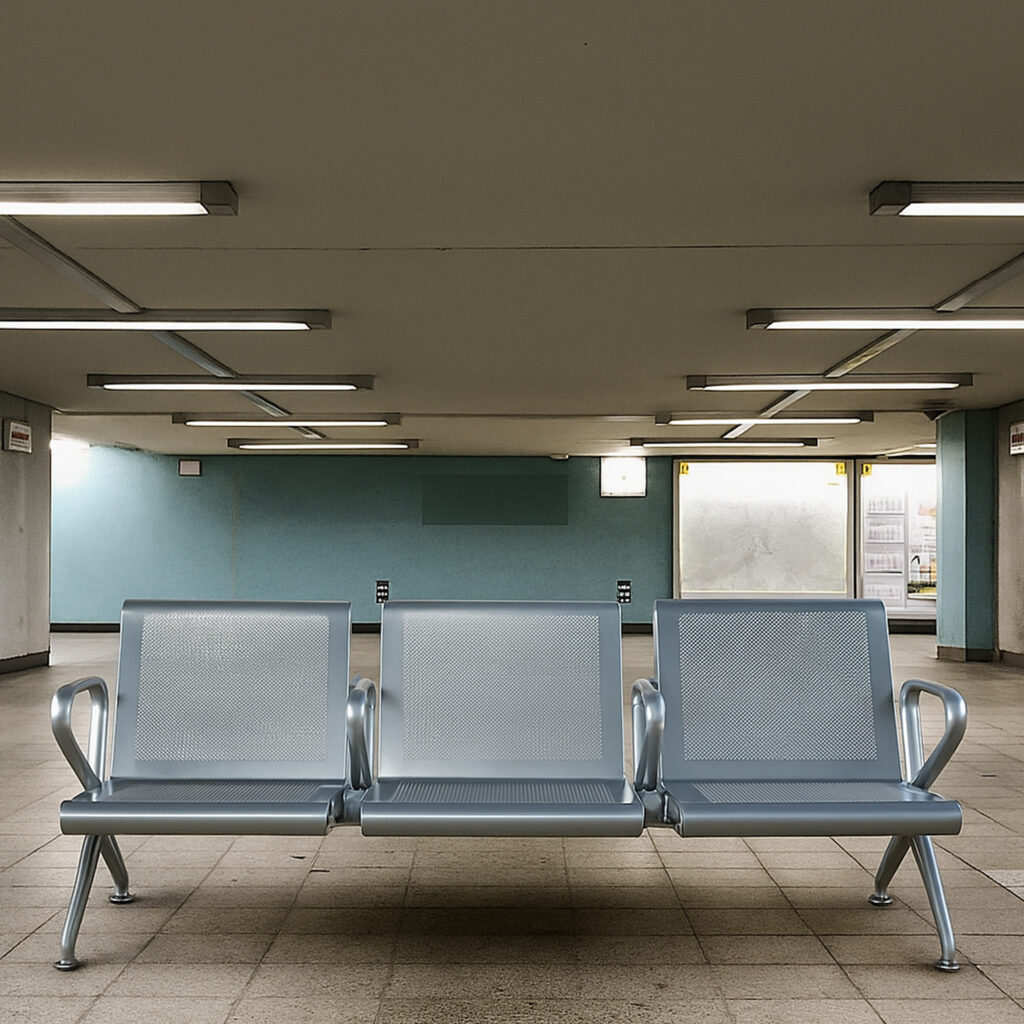
Stainless steel benches are known for being very strong and long-lasting. The stainless steel material resists rust, corrosion, and wear, and is perfect for high-traffic areas, like bus stops, railway stations, and public plazas.
These offer benefits such as :
Withstands harsh sun, rain, and humidity
Minimal maintenance
Sleek and modern look
Resistant to vandalism, scratches
In places where the weather is random or crowds consistent, stainless steel outperforms most material options.
2. Cast Iron: Classic, Strong, and Architectural
Cast-iron benches possess that appealingly old and classy look which is commonly seen in heritage parks, historic monuments, and premium landscapes. They are Really strong & heavy; hence, they will never shift easily or be destroyed by improper use.
Why choose cast iron?
Timeless aesthetic appeal
Long-lasting structural strength
High resistance to impact and vandalism.
However, in highly humid weather they may need painting or coating to avoid rusting.
3. Solid Wood: Warm, Natural, and Comfortable

Wooden benches add heat and natural beauty to all outdoor space. They mixed good with greenery and give parks and gardens a comfy, inviting feel.
Advantages of wooden benches:
Comfortable seating surface
Eco-friendly but so picturesque
Works beautifully in nature-centric spaces
Popular options of teak, cedar, and mahogany exhibit resistance to termites and moisture; butr, the wood does need periodic polishing or sealing to maintain appearance.
4. Recycled Plastic: Eco-Friendly and Weather-Proof
Recycled plastic benches are gaining more popularity because of sustainability and low maintenance. They don’t splinter, crack, or fade easily, being good for long-term outdoor use.
Why they’re a smart option:
Highly weather-resistant
UV-stable-no fading in sunlight
Low maintenance and easy to clean
Environmentally responsible choice
These benches are perfect for public parks, schools, and eco-conscious city projects.
5. Concrete: Strong, Permanent, and Theft-Resistant
Concrete benches rank like one of the most durable options. They can be used in large open spaces like city streets,towns and highway rest stops.
Key benefits:
Probably long-lasting
Can’t be easily moved or vandalized
Variety of design, texture and color options Concrete benches do tend to be heavier and less comfortable without added seating parts, but they excel in durability.