

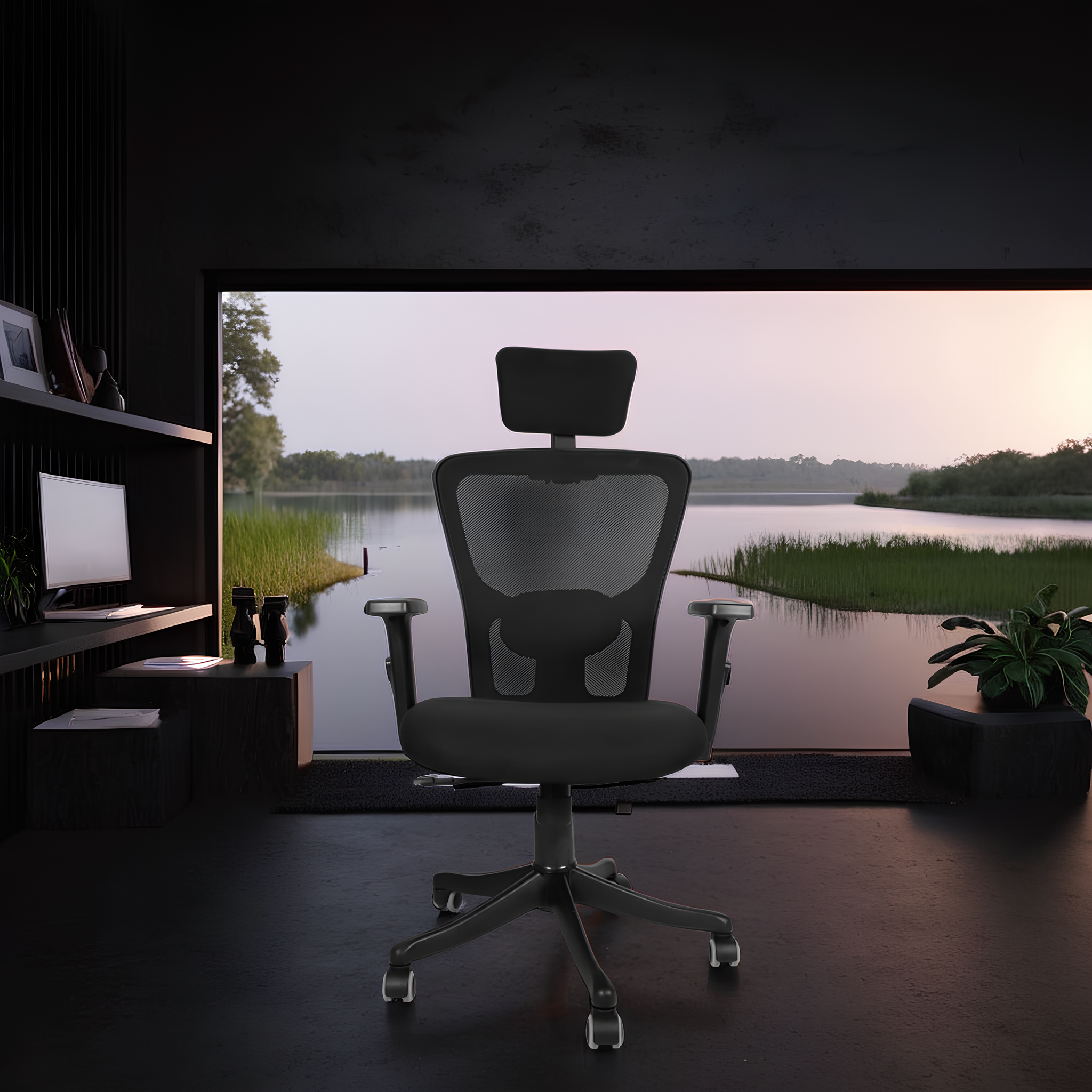
How to Choose Office Chairs That Prevent Worker Fatigue

If you’ve ever spent long days typing away at a desk, you know how fast the wrong chair can leave You were worn out and uncomfortable. A bad design chair doesn’t just put a cramp in your back—it can cause neck ache, shoulder tightness, and possibly deplete your energy. For businesses, this usually means decreased productivity, dissatisfied employees, and more sick days leaves. That’s why selecting the right office chair is not just a matter of furniture—it’s a matter of employee health and productivity.
So, how do you select office chairs that really reduce fatigue? Let’s dissect.
1. Seek Good Back Support
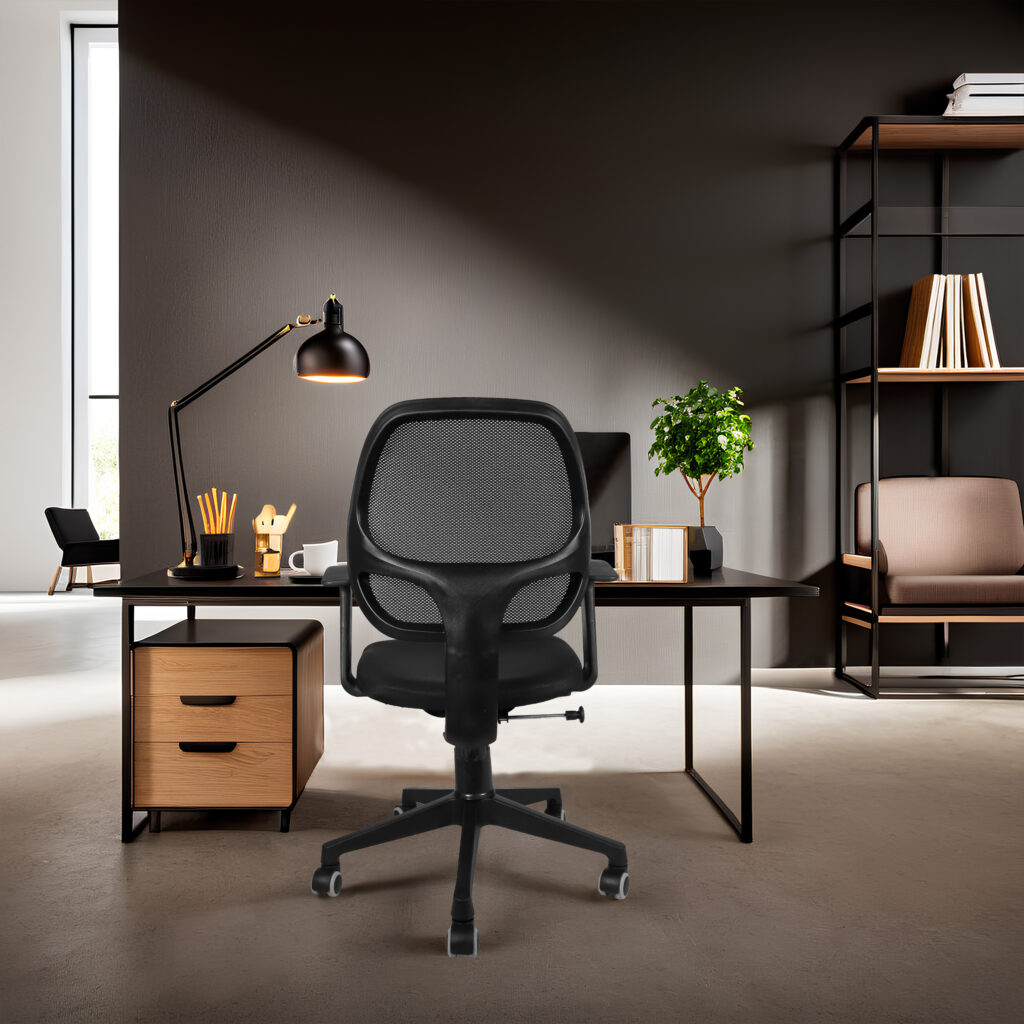
The foundation of every good chair is—literally—the backrest. Workers sit there for hours, and if the chair does not accommodate the natural shape of the spine, everyone gets tired fast. A lumbar-supported chair (that little curve of the lower back) is a must. It maintains posture straight and alleviates pressure from the spine, thus less fatigue at the office every night.
2. Adjustable Features Are a Must
Not all employees are the same height or build, so a “one-size-fits-all” chair will not fit. Find chairs that have made modifications to seat height, armrests, and tilt. This way, everyone will be able to modify their chair for optimal comfort. Small changes make a big difference in avoiding muscle strain and fatigue.
3. Comfortable Seat Cushion
If the seat of the chair is too hard, it limits the flow of blood in the legs. Too soft, and it will not provide proper support. The perfect office chair features a rather firm cushions of breathable material. This ensures the Use is at ease. for hours without sinking too low or being stiff.

4. Effective Armrest Design
Armrests must provide natural the arm placed on with no elevation of the shoulders or forward leaning. Inadequately designed armrests become causes of shoulder and neck strain. Height-adjustable armrests are the most suitable option since they can suitable for every the place of work. and user’s need.
5. Mobility and Swivel
Workers tend to spin out of their chairs to fetch files, go on over to the phone, or swing towards a second screen. A chair with smooth swiveling and sturdy mobility avoids unnecessary twisting or reaching. This diminishes physical effort, which prevents fatigue.
6. Breathable Material Matters
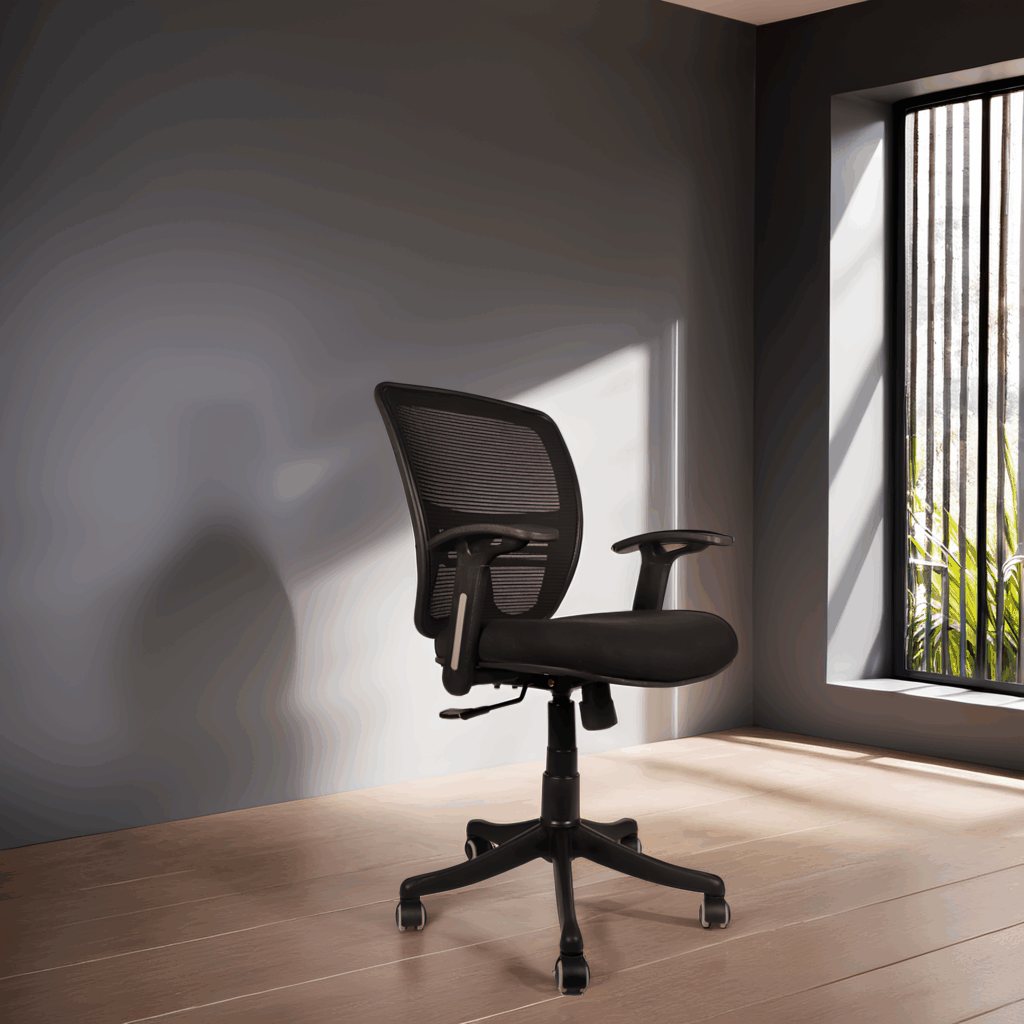
Mesh or fabric chairs that have air holes cool the user down. Long periods of sitting in a heat-trapping chair can be tiring and uncomfortable. A ventilated chair keeps workers fresh and awake for longer.
7. Test Before You Buy
Finally, don’t purchase chairs in large quantities without trying them beforehand. Let employees test a few models and provide feedback. The perfect chair is one that finds balance between comfort, support, and durability for daily use.
Office chairs could seem like a minor detail at the office, but they have an important effect on the well-being and productivity of employees. A good chair minimizes fatigue, promotes better posture, and maintains energy levels during the day. In short, investing in the proper office chairs is In reality, a investment in healthier, happier, and more productive employees.