
How Tilt Mechanisms Influence Sitting Posture

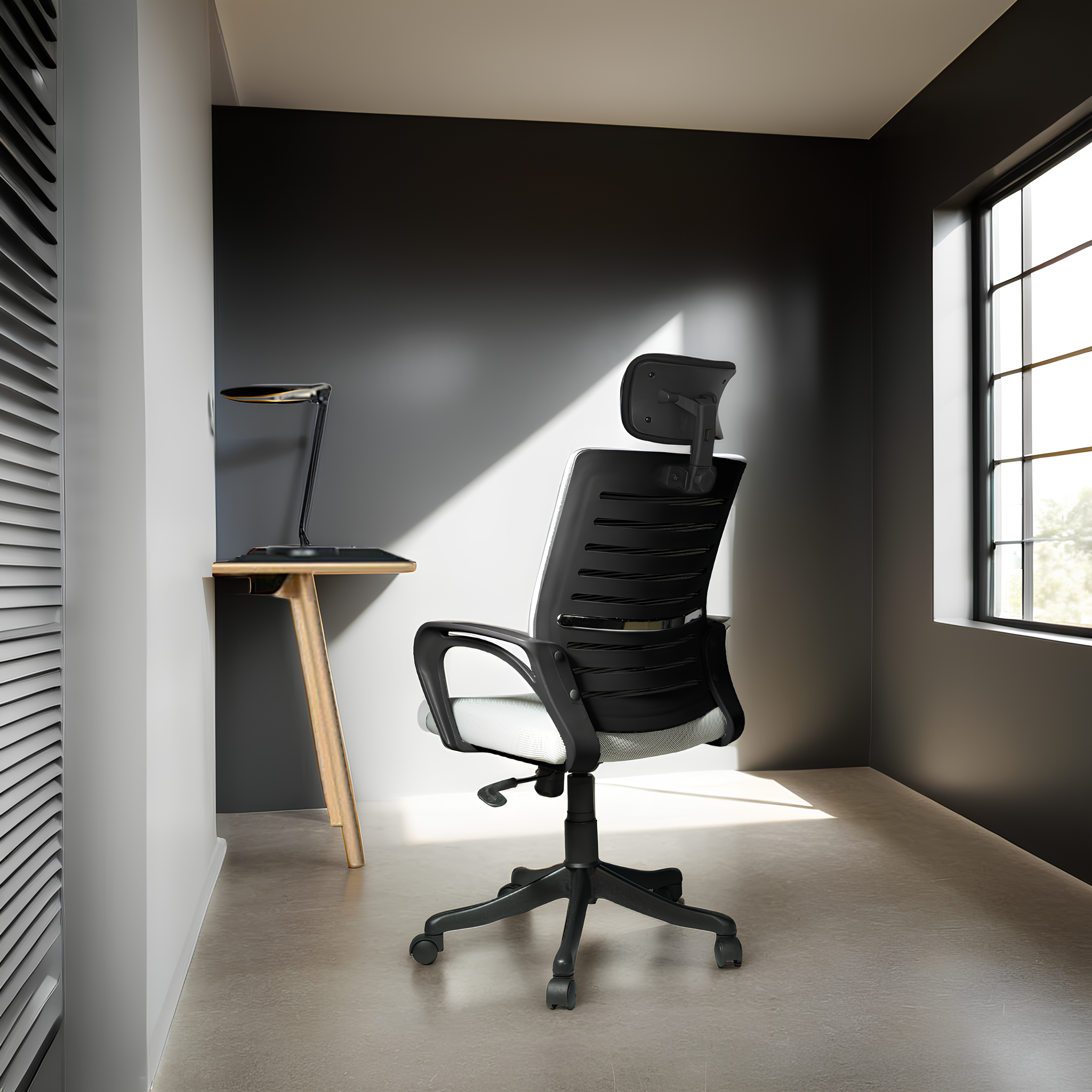
Ergonomic office chairs of today are made with the body’s well-being in mind, designed to accommodate long periods of sitting. Seat height and lumbar support tend to get the lion’s share of attention, but another comfort is form in many variables.and posture: the tilt mechanism. The tilt mechanism governs how a chair adjusts and reclines, directly affecting the way the body positions itself to the workday.
What Is a Tilt Mechanism?
Tilt mechanism is the mechanism in the office chair that allows a seat and backrest to shift according to the posture and weight of the user. Various types of tilt mechanisms provide different degrees of agility, support, and comfort. It is important to know how tilt mechanisms operate in order to make a healthy sitting habit-enhancing chair selection.
Types of Tilt Mechanisms
Fixed or Simple Tilt
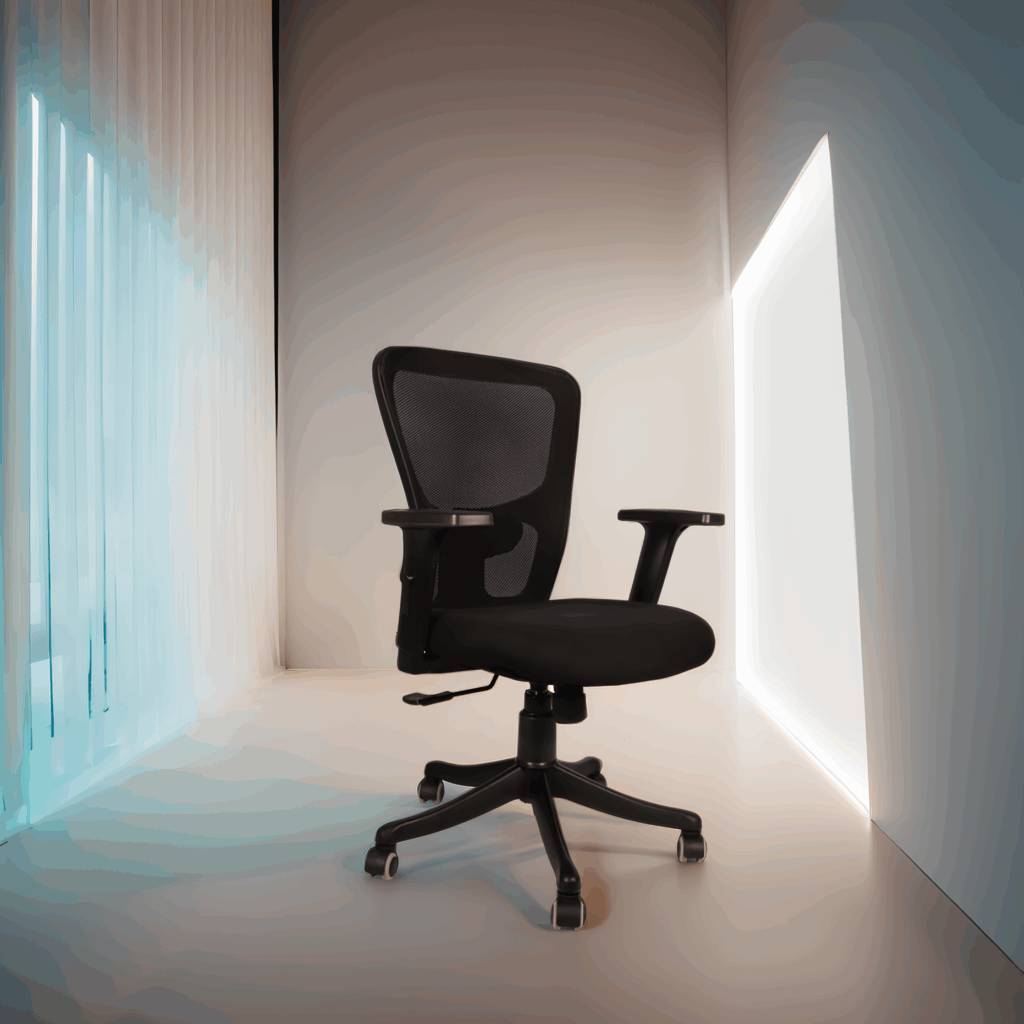
In this simple mechanism, the backrest and seat together tilt like one. It’s a simple design giving some reclining give but perhaps not enough support for natural spine movement.
Synchro-Tilt
This well-liked design allows the backrest and seat to travel in varying proportions — typically the back reclines further than the seat. This allows for better contact with the back and facilitates open hip angles, minimizing compression on the spine.
Knee-Tilt
Present in executive chairs, the crucial spot is set near to the knees, allows easier, more comfortable reclining. The design places the feet on the floor even when reclined, encouraging improved flow.
Multi-Tilt or Advanced Mechanisms

These allows users to lock the chair in a number of recline angles, personalize tension, and modify tilt to suit people’s preferences. They’re suitable for people’s who want high agility & customized comfort.
Impact on Sitting Posture
Tilt mechanisms directly affect how the body aligns and moves during seated tasks:
Encouraging Movement: Static sitting can cause stiffness and strain. Tilt mechanisms promote micro-movements, reducing fatigue and improving flow.
Supporting the Spine: Reclining slightly during tasks relieves spinal pressure. Synchro-tilt and knee-tilt designs help maintain the natural S-curve of the spine, reducing slouching.
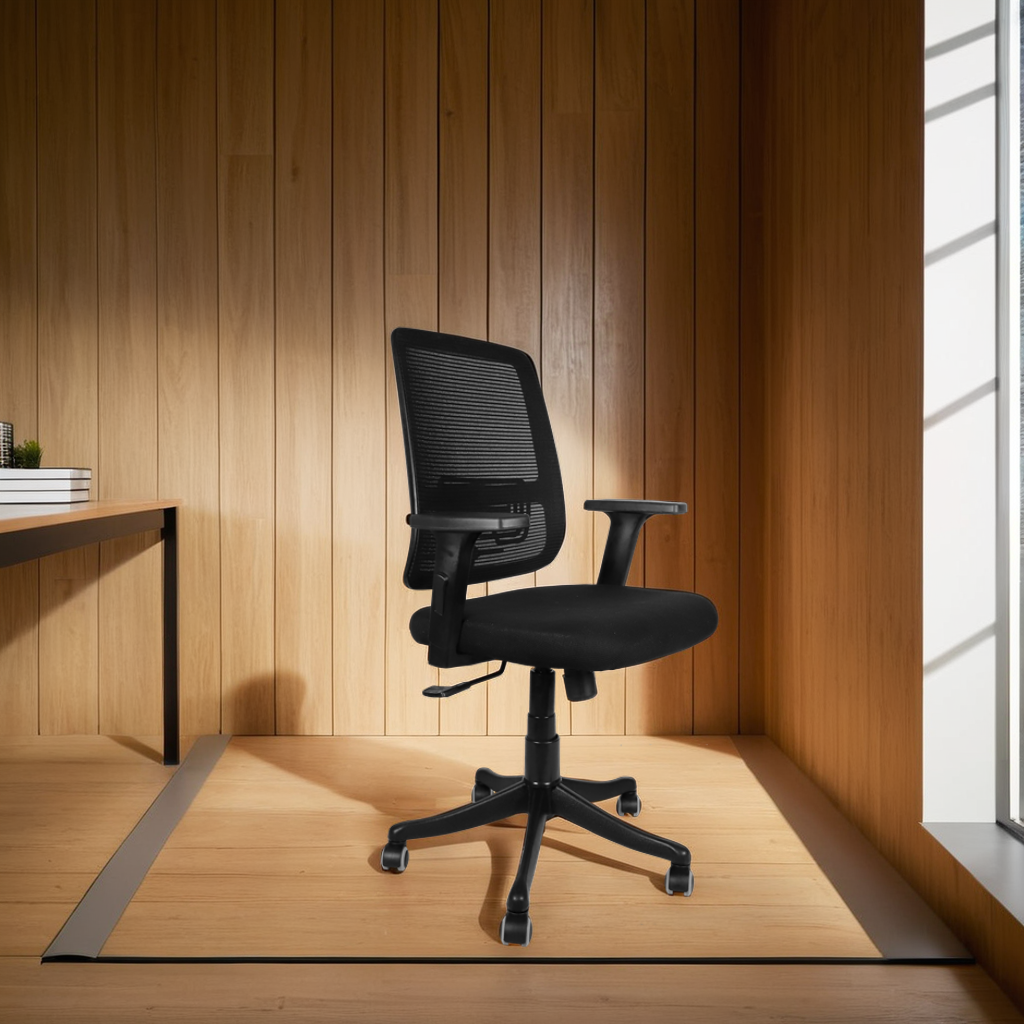
Hip Angle Benefits: Reclining by opening the hip angle alleviates pressure on the lower hips and back, ensuring long-term comfort.
Dynamic Sitting: Enhanced tilt capabilities allows users to other in upright, focus postures and reclined relaxations, flowing with changing tasks across the day.
Choosing the Right Tilt for Comfort
When choosing an office chair, the tilt mechanism must complement work style plus health requirements. For focused tasks, a synchro-tilt or multi-tilt mechanism gives agility without compromising posture. For more executive or lounge-type environments, knee-tilt versions allows comfort during extended, relaxed seating periods.