

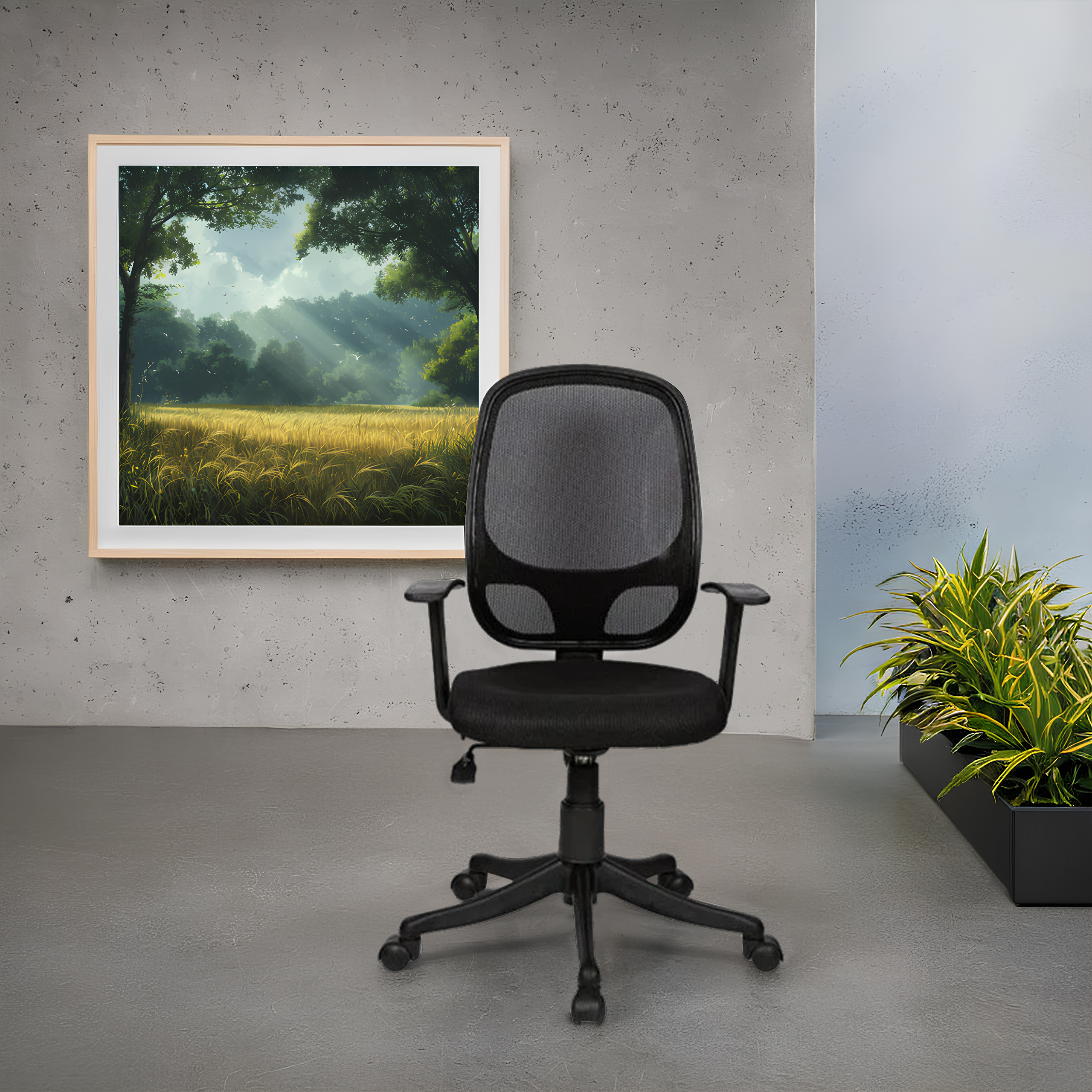
How Office Chairs Enable Hybrid Work Environments

The contemporary workspace is changing fast, and hybrid work arrangements — a combination of in-office and home-based work — are the norm now. This change requires flexible Establish configurations that facilitate efficiency., comfort, and collaboration. An A crucial but Often element of this layout is the office chair.
In hybrid places, provide chairs do more than provide a place to sit — they are tools directly impacting employee comfort, productivity, and contentment at work.
1. Comfort for Flexible Work styles
Hybrid work involves employees spending different amounts of time in the office. Whether they’re entering the office for focused work, meetings, or collaboration, comfort is paramount.
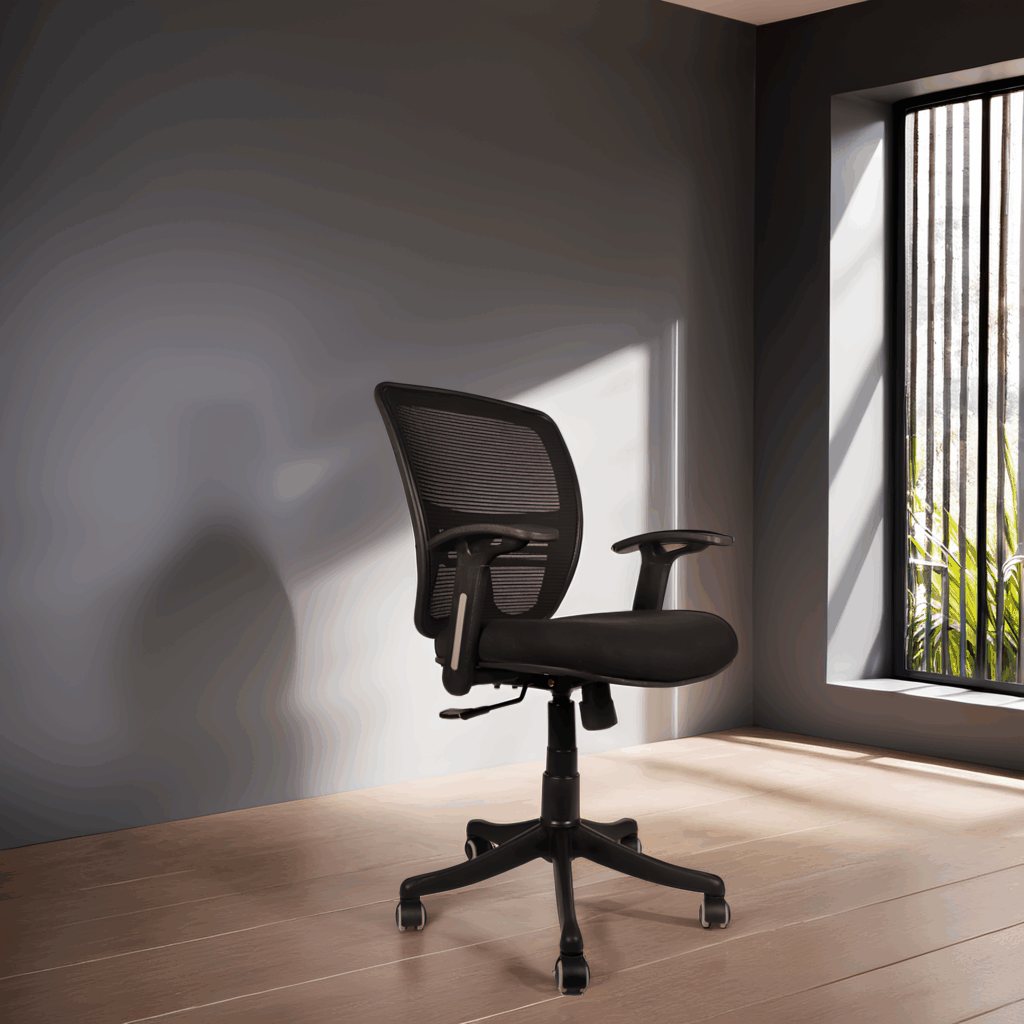
Ergonomic office chairs that are adjustable by features like seat height, lumbar support, and tilt tool that allows employees to modify the sitting to suit their needs. The adaptability ensures they feel comfortable when performing different chores and for extended periods, increasing output and concentration.
2. Adaptability for Shared Spaces
Hot-desking or shared workstations are common in hybrid interior spaces, where there are no fixed desks for employees. Adaptive chairs are the key in such spaces.
Light, mobile chairs allow seating areas to be quickly rearranged for different tasks.
robust, flexible designs accommodate a spectrum of body types and work habits.
Materials that are simple to clean provide cleanliness for several users.
These aspects make communal seating functional and effective, responding to the lively requirements of hybrid teams.
3. Facilitating Collaboration and Interaction

Hybrid work isn’t merely working remotely — it’s moreover about optimizing in-office time. Office chairs can moreover create collaboration by facilitating flexible preparations in meeting spaces and breakout rooms.
For instance:
Stack able or roll-around chairs allow easy rearrangements for team discussions.
Ergonomic seating in meeting areas fosters longer, more effective interactions.
A well-crafted seating can turn office spaces into centres of creativity and collaboration.
4. Promoting Employee Well-being
Well-being for employees is a top focus for hybrid provide. Ergonomic seating reduces fatigue, avoids posture problems, and aids mental concentration.
Good office chairs with ergonomic features:

Alleviate strain on the neck and spine.
Enable improved posture over long work periods.
Offer comfort across a variety of tasks.
This results in healthier staff members, reduced days off sick, and improved overall performance.
5. Future-Proofing the Workspace
Hybrid work is here to stay, but office needs will keep changing. Spending money on a flexible basis chair is a future-proofing the office.
Adaptable chairs minimizing frequent replacement needs are:
Resilient designs that can with-stand vigorous usage in workspace that are flexible.
Long-term employee needs are addressed by ergonomic features.
This adaptability saves money and keeps the office working to be employee work styles change.
In hybrid places, the prefect office chair is not just furniture — it’s a tool for productivity, a comfort enhancer, and a collaboration enabler. By prioritizing ergonomics, adaptability, and durability, businesses can build versatile workspace that -provide productivity and employees’ health.