

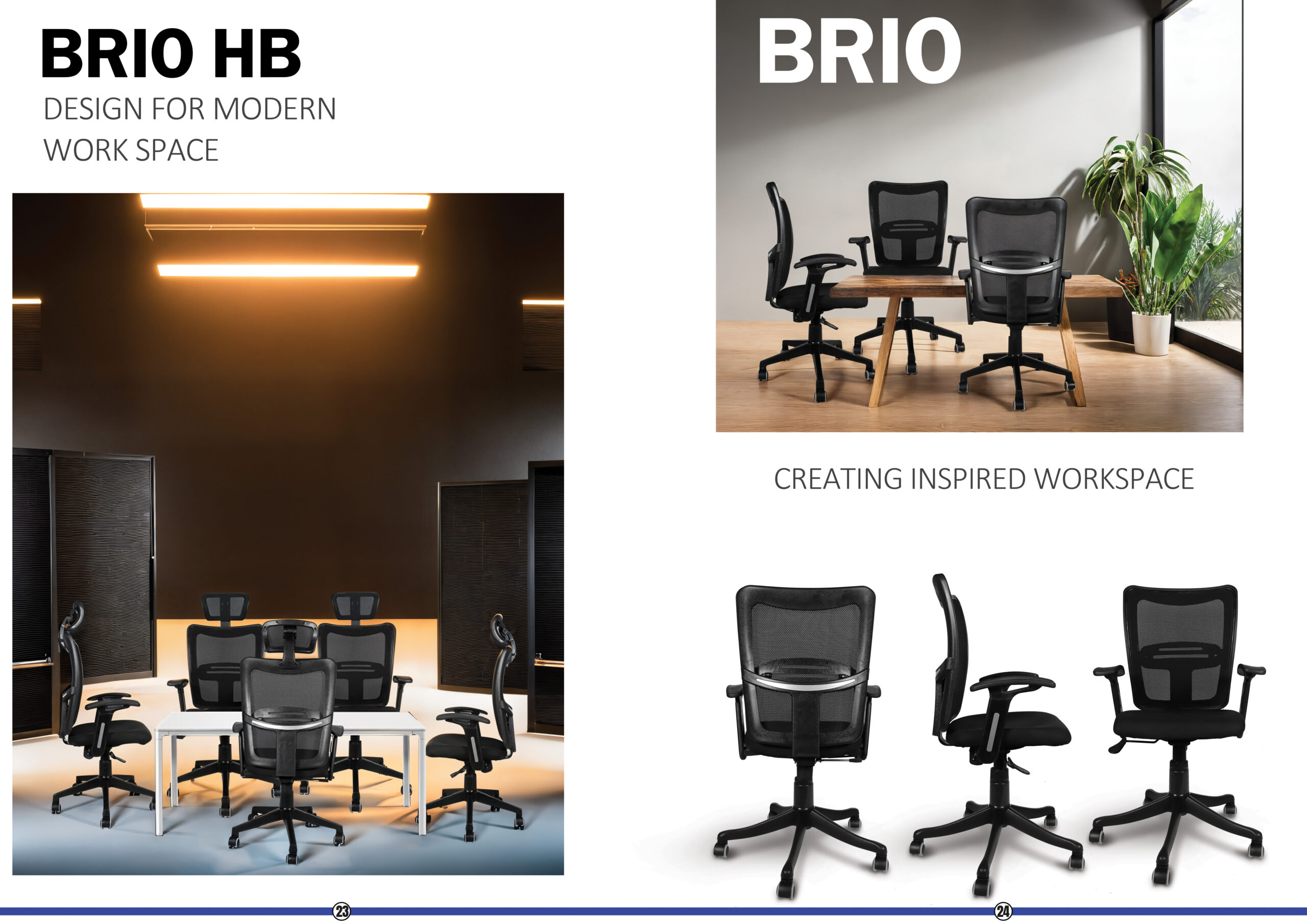
How Chair Components Affect Stability and Safety

If we sit down in a chair, we want it to do only One important product of help us safely. But have you ever sat on a flimsy chair or one that tips abruptly when you recline? That A sinking feeling is a sign of poor stability, and most often it all boils down to the quality of chair part. From the bottom wheels to the top backrest, each part serves a purpose in making a chair stable and safe. Let’s divide it into simple explanations.
1. The Base – The Basis for Safety
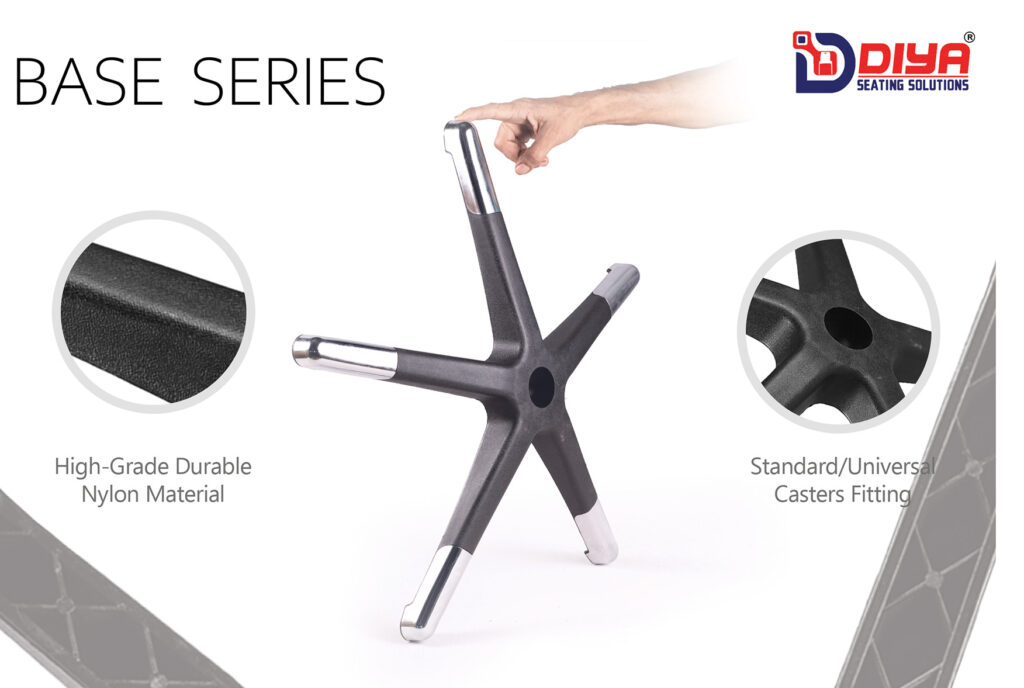
The foundation refers to the lower part of the chair, usually in star shape with five legs.
A wide and heavy foundation prevents the chair from tipping over, making it a lot space to collapse.
Metal or plastic bases reinforced with metal are safer since they do not crack more easily under pressure compared to cheap plastic.
A cracked or thin foundation can render the entire chair unstable.
Tip: Always ensure the foundation is sturdy and free of visible cracks.
2. The Wheels (Casters) – Smooth and Safe Movement
Chair wheels allow smooth rolling around, but if they’re of poor quality or full of dirt, they can be severe.
Good casters provide smooth rolling without jerky stops that may catch you off balance.
Locking wheels are at times used in medical or industrial chairs for more security.
Tip: Clean casters often and replace them if they wobble or bind.
3. The Gas Lift – Height with Stability
The gas lift allows you to change chair height. Although it may be small, it is an important part of safety.
A good gas lift quietly lifts and lowers the chair without jerking.
Inexpensive or damaged ones can suddenly collapse, causing accidents.
Tip: Don’t overload your chair above its the weight limit of this is how gas lifts most often fail.
4. The Seat and Cushion – More Than Just Comfort
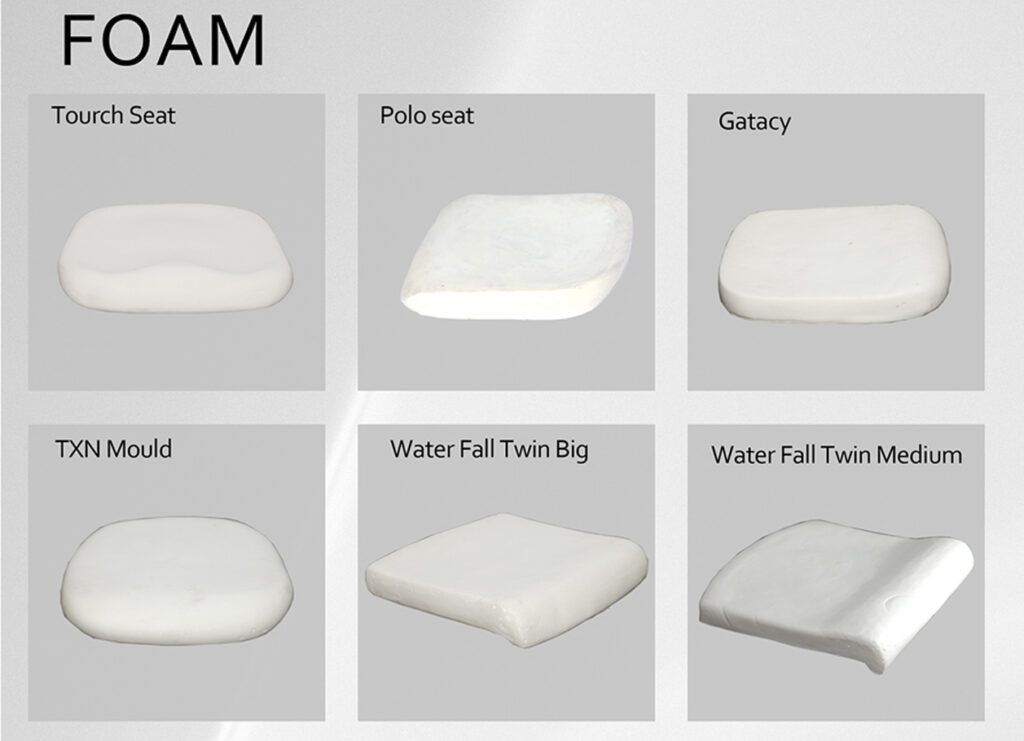
The seat is not only for comfort—it distributes weight evenly.
A sturdy seat pan (the hard section below the pillow) prevents bending or cracking.
Quality foam cushions moreover alleviate strain and prevent you from sliding forward.
Tip: Get the looked at in the chair if you find sagging or cracks to prevent it from weakening further.
5. Tilt and Recline Mechanisms – Controlled Movement
The recline function makes chairs more comfortable, but safety is reliant on the mechanism.
Effective tilt systems allow you to lean back without tipping over.
Low-quality mechanisms tend to lock up or collapse suddenly.
Tip: Adjust tilt resistance for body weight using the tension knob.
6. The Backrest and Armrests – Support Systems
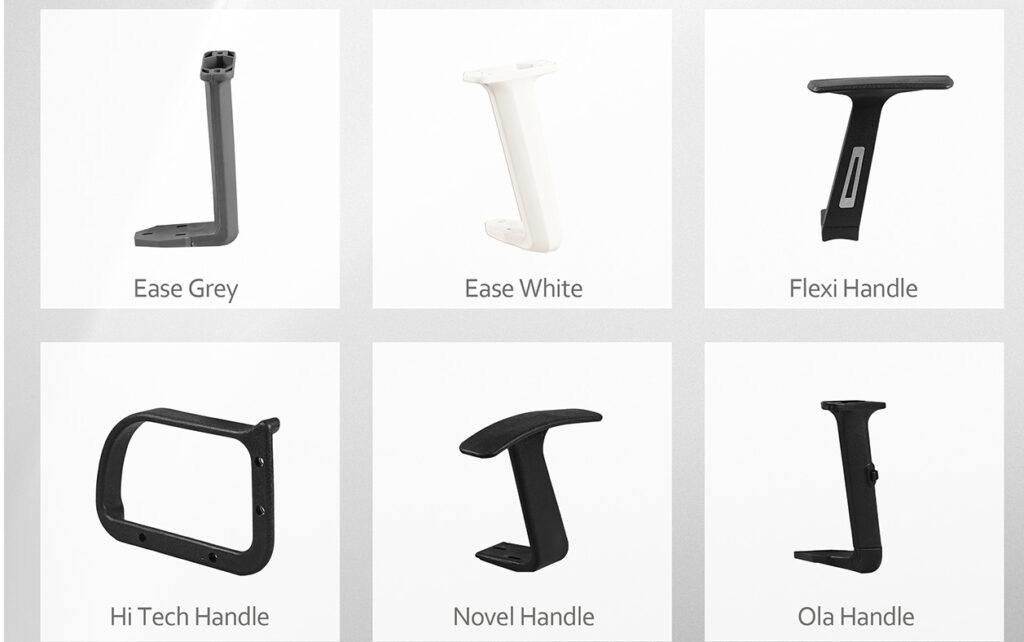
Backrests and armrests provide moreover stability when sitting for extended periods.
A strong backrest stabilizes your spine and prevents accidents when you recline.
Armrests act to be a miniature support., assisting you in sitting down and standing up safely.
Loose or weak armrests can upset balance when you lean on them too much.
A safe chair is the product of designed with superior parts working together. Base, casters, gas lift, seat, armrests, and tilt mechanisms all have an impact on how stable and protect your chair feels. When One part is poor, the entire chair is an ability.
So, the next time you purchase or keep a chair, don’t Just think about the fashion and cushions—note the things that really protect you. A sturdy chair isn’t only cozier; it saves your life daily.