

Diya Seating’s Guide to Public Bench Materials: Selecting the Proper Foundation for Comfort & Durability

Public benches, if found in parks, bus shelters, shopping centers, medical facilities, or waiting areas in place of empolyment, may seem like simple seating options. But there’s always more going on behind a great seat than meets the eye. At Diya Seating, we’re convinced that the backbone of a great public bench isn’t necessarily how it looks but what it’s made of.
The right material makes a bench last for years, withstand harsh weather, and maintain its users’ comfort, and all while harmonizing with its environment. If you’re looking to install seat outside place, this guide is here to take you through the most tried and tested and popular materials, their benefits, disadvantages, and best applications.
1. Mild Steel (MS): The Handy All-Rounder

Mild steel benches are one of the most sought-after types of public seating—and for good reason.
Why We Recommend It:
It’s durable, budget-friendly, and highly moveable.
When well-coated (powder-coated or painted), it’s rust-proof and will allow for years, even in outdoor settings.
It accommodates modern, sleek looks—perfect for city environments, bus stations, or corporate waiting areas.
Best Use: Outdoor public spaces, train stations, parking lots, and industrial complexes.
Things to Watch: Requires occasional repainting or powder-coat touch-ups to avoid corrosion in harsh weather.
2. Stainless Steel (SS): Shine Meets Strength
Stainless steel is a premium choice if you want longevity with no rust tensions.
Why We Recommend It:
It’s corrosion-resistant, making it perfect for humid or coastal regions.
Low maintenance—just a wipe down occasionally keeps it shining.
Gives a modern, clean aesthetic perfect for malls, airports, hospitals, and metro stations.
Best Use: Outdoor or covered indoor areas, especially for high-traffic streets where appearance and cleanliness are important.
Things to Watch: In winter, it will be cold, and in summer, it will be hot in direct sunlight, so look for mixed-material types with wood or plastic slats.
3. Cast Iron: Old-Fashioned Look, Heavy Duty
Cast iron has long been a popular choice, especially or historic parks and colonial designs.
Why We Recommend It:
Provides great strength and weight—again in place, it’s not moving!
Typically has ornate, decorative designs, which add character to heritage areas.
Combined with wooden slats, it provides a traditional, ageless look.
Best Application: Public parks, gardens, heritage areas, and museum environments.
Watches Out For: Rusts if not usually painted. Also heavy, so not simple to transfer again down.
4. Wood: Warmth and Natural Beauty

Wood benches never become outdated. They are warm, naturally beautiful, and invite people in.
Why We Suggest It:
Cozy to sit on, even during many weather conditions.
Perfect for areas where appearance and comfort are most important—includinggardens, cafes, or boutique areas.
Optimal Use: Landscaped parks, hospitality spaces, semi-outside room places, and nature trails.
Things to Watch: Needs weather treatment (like anti-termite, waterprooof coatings). Needs regular maintenance to avoid warping, fading, or rotting.
5. Plastic & Recycled Materials: The Sustainable Contender
With sustainability gaining top priority, benches constructed from recycled plastic and other environmentally friendly materials are gaining traction.
Why We Recommend It:
Moisture-resistant, insect-resistant, and rot-resistant.
Doesn’t crack or splinter, and colors stop vibrant longer.
Lightweight and easy to install or move.
A good means of minimizing environmental impact.
Best Use: Schools, playgrounds, community gardens, and areas with emphasis on sustainability.
Things to Watch: Although sturdy, they may not look or feel to be premium and sturdy while metal or wood in some settings.
6. Concrete: Built to Last
For regions that need the use of permanent, vandal-proof solutions, concrete benches stand out to be a self-evident option.
Why We Recommend It:
Mostly long lasting and theft-proof.
Can be moulded into many designs and textures (including faux wood or stone).
withstands decades of usage and requires no maintenance.
Best Use: High-traffic public parks, campuses, national monuments, and roadside seating.
Things to Watch: May need pillows for comfort in certain settings, and installation can be labor-intensive.
Choosing the Right Material: Ask These 3 Questions
When selecting materials for your public benches, consider:
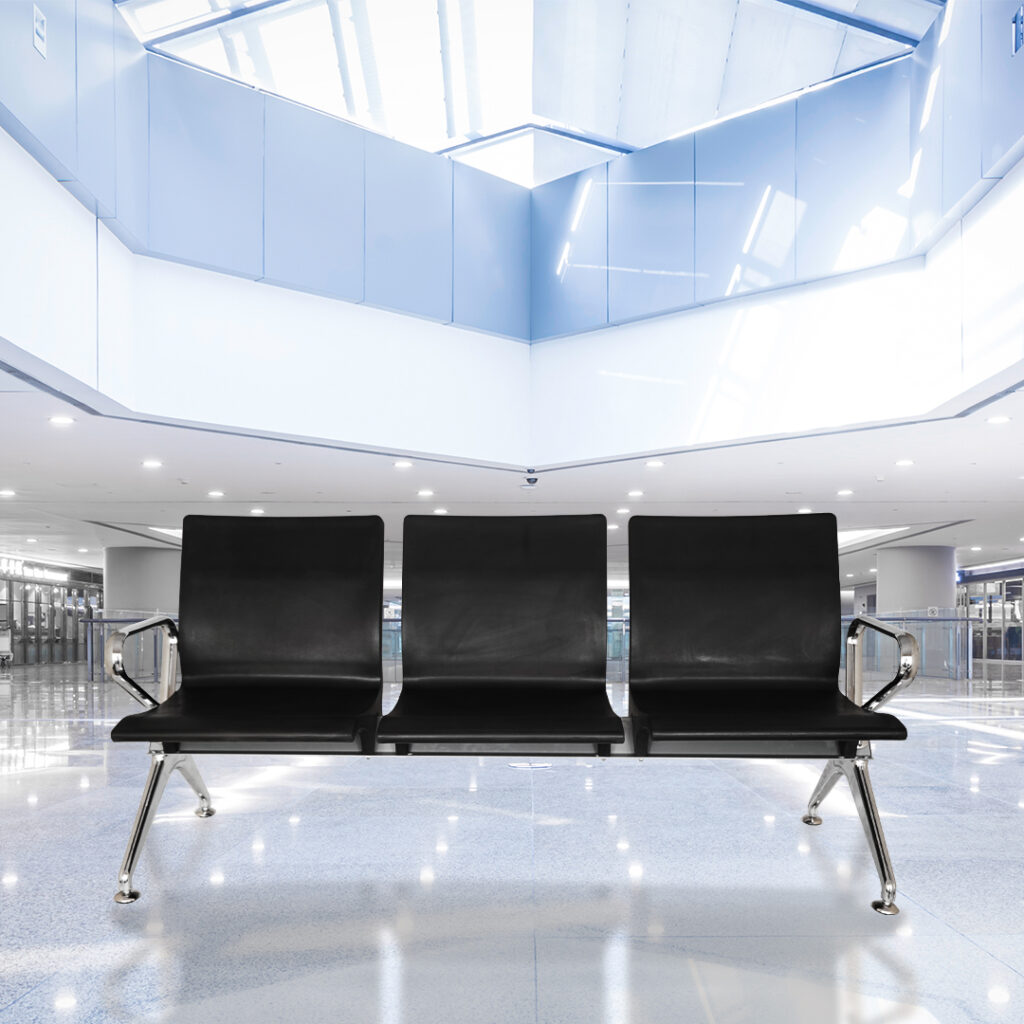
Where will the bench be placed?
Indoors? Covered outside place? Fully sun/rain exposed?
Who would be using it?
Seniors, kids, tourists, patients, or staff?
What is the expected level of maintenance?
Do you have resources to repaint and repair on a regular basis?
Diya Seating’s Commitment
We don’t merely sell benches at Diya Seating—our experienced designers create seating solutions that complement the space, function, and user. Whether you need a rust-resistant bench, something to match the sophistication of your interiors, or something that fuels environmentally friendly initiatives, we assist you in making the right options.
All our projects are motivated by three key values: comfort, durability, and design Peace. That’s why our line of public seating is designed to not only perform but to stand out—year in and year out.