

Designing Comfortable Public Spaces with Modern Seating

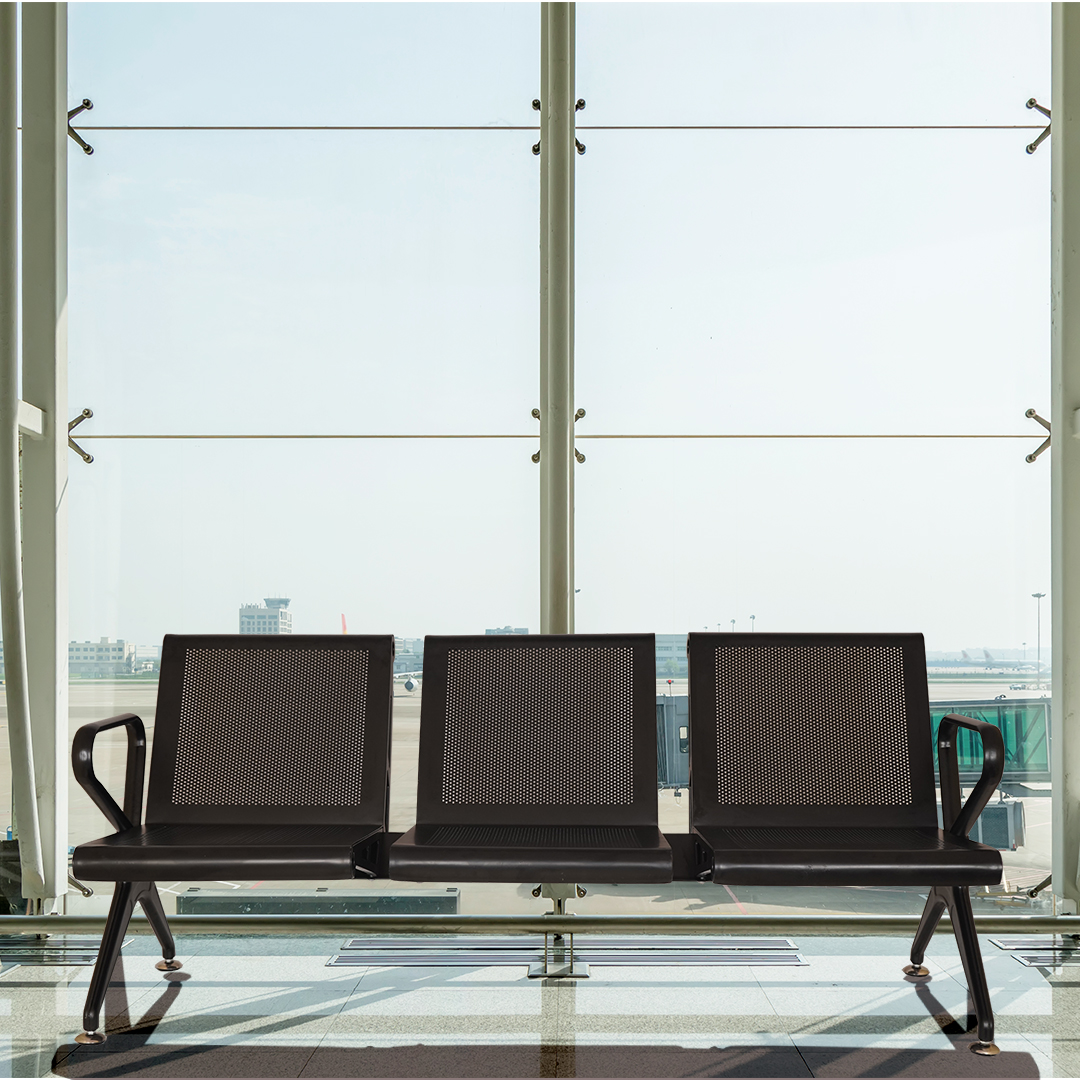
Public spaces are crucial for shaping the life of a community. parks, rail centers, shopping complexes, and government buildings all act like units where people stay for purposes ranging from a few minutes to several hours. The design of these areas has a direct effect on how welcoming and useful it can feel; seating plays the most especial role in in this sense. Modern seating solutions are more about providing comfort, inclusiveness, and aesthetic unite to improved one’s interaction with the surroundings than about a place to rest.
1. Putting Comfort at the Heart of Public Design
Comfort is central to the success of all public space. Well-designed seating encourages people to linger, engage, and return. Whether it’s a park bench, a waiting location in a hospital, or a comfy stations’ spaces will determine how people use the space. Public seating today goes just simple usage & blends ergonomic design principles that support posture, ease stress locations, & accommodate users of different ages and physical prowess.
2. Material Matters: Balancing Durability and Aesthetics
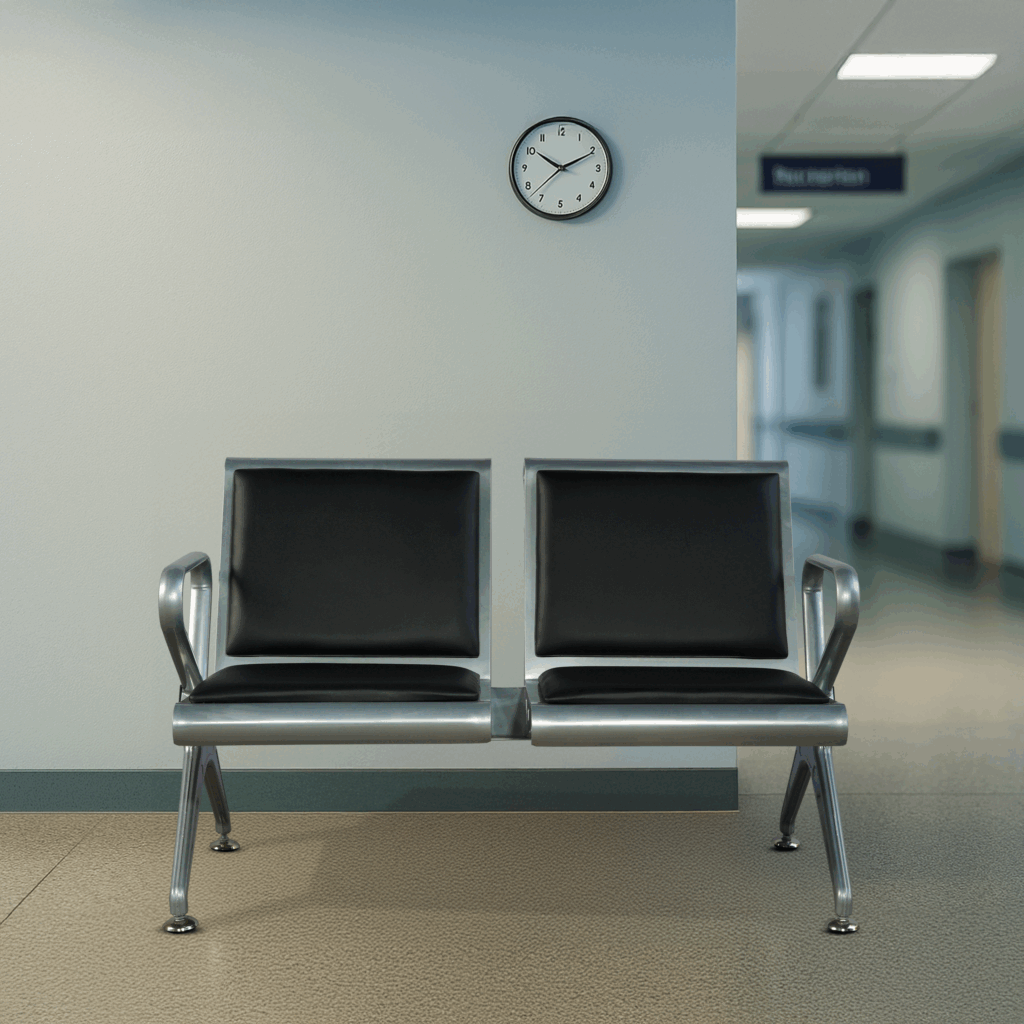
Designing long-lasting public furniture involves choosing materials cautiously. Weather-resistant materials like treated metal, recycled plastic, and composite wood are appropriate for outdoor open spaces to resist the sun, rain, and changes in temperature. Meanwhile, stainless steel, cushioned polyurethane, &3 molded plastic are commonly used indoors-for example, in airports or malls-to provide durability and ease of maintenance. The materials should further be visually attractive to fit into their environment and make the seating compatible with the architectural design.
3. Ergonomics and Inclusive Design
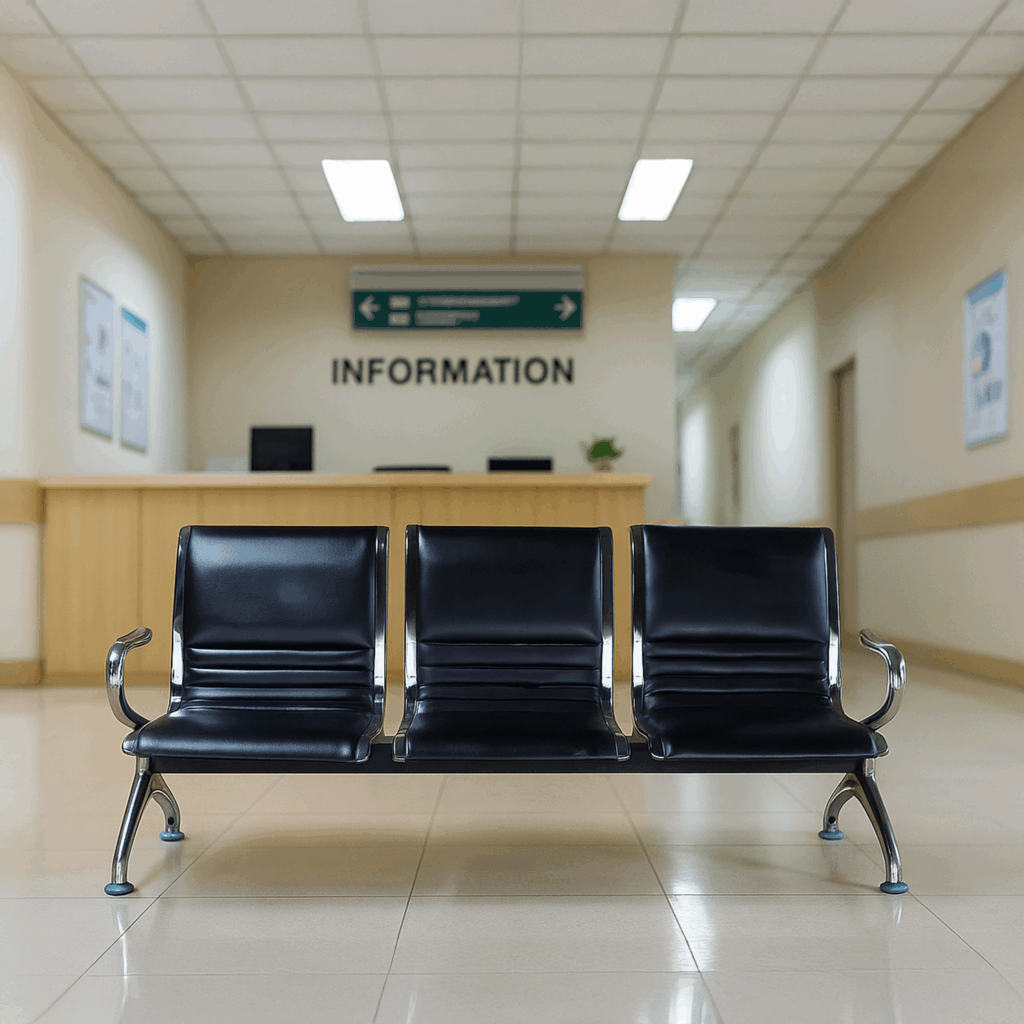
Modern seating includes the principles of inclusion and ergonomics. Seats should give enough help to the back and arms, while being of heights that would be suitable for both adults and elderly people. Designing inclusively further refers to making places that are for wheelchairs, with ample space between benches for sitting and standing. Such a design creates public spaces that are more functional and inviting to all people.
4. Modular and Flexible Seating Solutions
Contemporary public spaces benefit from modular seating changes that allow agility in layout. Benches, tandem seats, and curved seating systems can be set up to suit different crowd sizes or purposes. In parks or plazas, modular seating can be rearranged for community events or group tasks. This adaptability makes public seating more sustainable and better suited to evolving city needs.
5. Aesthetic Integration with Environment
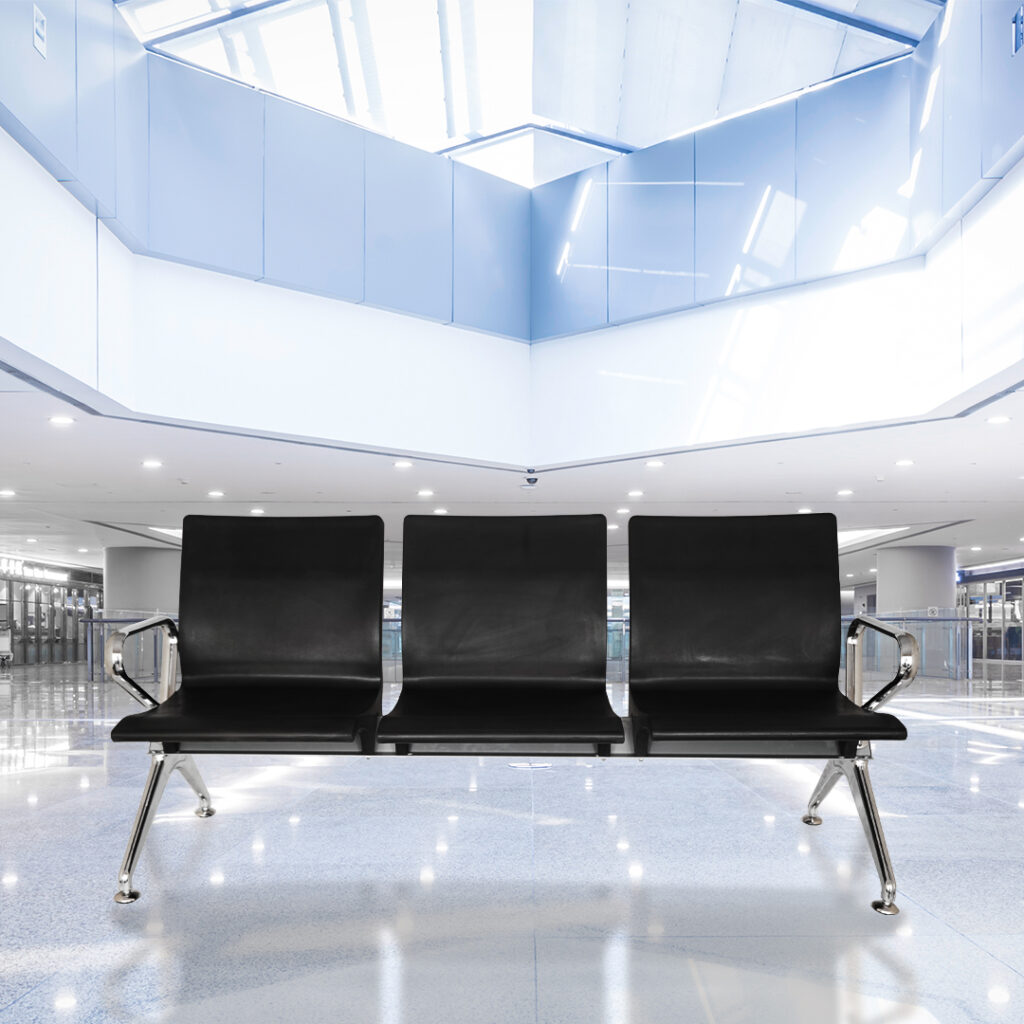
Seating design should be in unity with the character of the public space. In heritage locations, for example, timber benches with decorative metal frames can reflect historical charm, while minimalist steel or concrete may work better in modern city scapes. Color, texture, and form can affect mood and aesthetic appeal. Similarly, slowly set up like aligning benches along a walking path or near greenery-enhances user experience.
6. Sustainability and Sharp creativity
The concept of sustainability has become an integral part of every modern public design. The materials can be recycled or locally sourced for reduced environmental impact. Some cities are even adopting smart seating solutions, with benches giving solar-powered charging ports, built-in lighting, or even data sensors to monitor usage. These types of innovations address comfort, functionality, and technology necessary in today’s city population.