

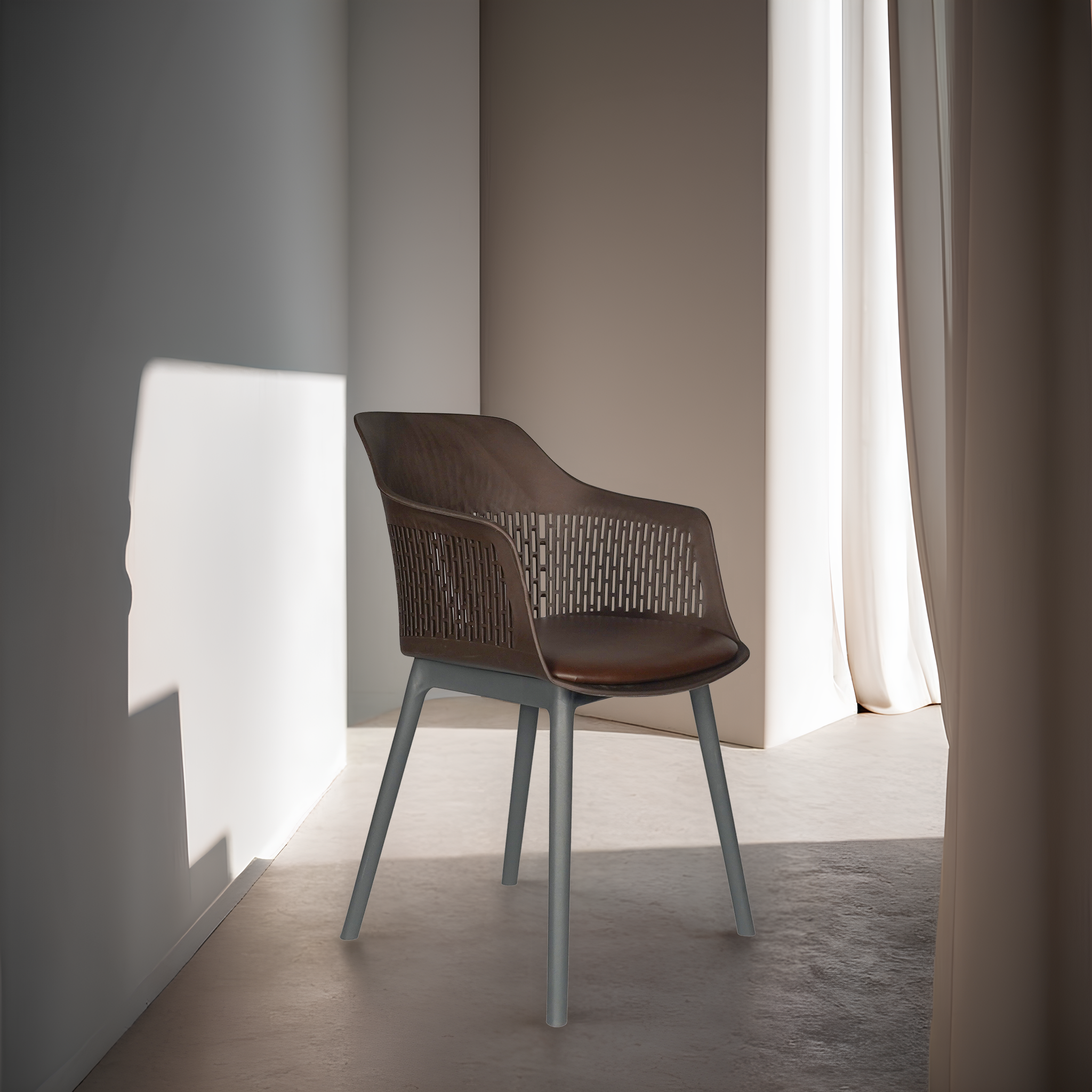
The Importance of Quality Control in Commercial Chair Manufacturing

Quality control is important in commercial chair production. The chairs for use in office premises, restaurants, hotels, cafes, banqueting halls and other commercial premises have to be of high main in terms of durability, comfort, safety and design. This is because these chairs are used on a daily basis by many people; hence it is important to maintain good product quality.
The importance of quality control is that it let the manufacturer to identify every weakness in the product and avoid wastage in order to deliver durable products that need the customer’s demands.
Guaranteeing Durability and Strength
These chairs are subjected to constant use and movement. With quality control, the manufacturer can identify if these chairs will withstand continuous use without breaking.
This process involves the test of materials, joints, frames, legs and the links in order to failure every weakness.
Ensuring Chair Safety and Stability
Manufacturing Safety of Commercial Chairs This is an important aspect. Commercial chairs can get loose links, unsteady legs, sharp corners, and so on that pose risk to people using them.
Manufacturers can perform such verification procedures the stability of chairs, conducting load tests, testing fasteners and the presence of manufacturing failure. Compliance with safety standards allows producing chairs that will be appropriate for commercial use.
Ensuring Product Uniformity
Commercial customers usually buy chairs in large quantities for hotels, restaurants, office, and events venues. It is necessary that chairs be uniform in size, colors, end and construction.
A well-organized inspection process will ensure consistency in production batches of the manufacturer. Uniformity is especially important when businesses need added chairs matching their current furniture.
Minimization of Manufacturing Price
Detection of defective products early in the process will minimize the cost and waste associated with manufacturing. For example, reviewing the quality of raw materials before production will ensure that only suitable materials are used during manufacture of chairs.
Routine maintenance of machinery and equipment, quality training of employees, and main approches in manufacturing will go a long way in ensuring efficiency in manufacturing. Eventually, the quality control measures employed ensure cost effectiveness without compromising on the quality of the products.
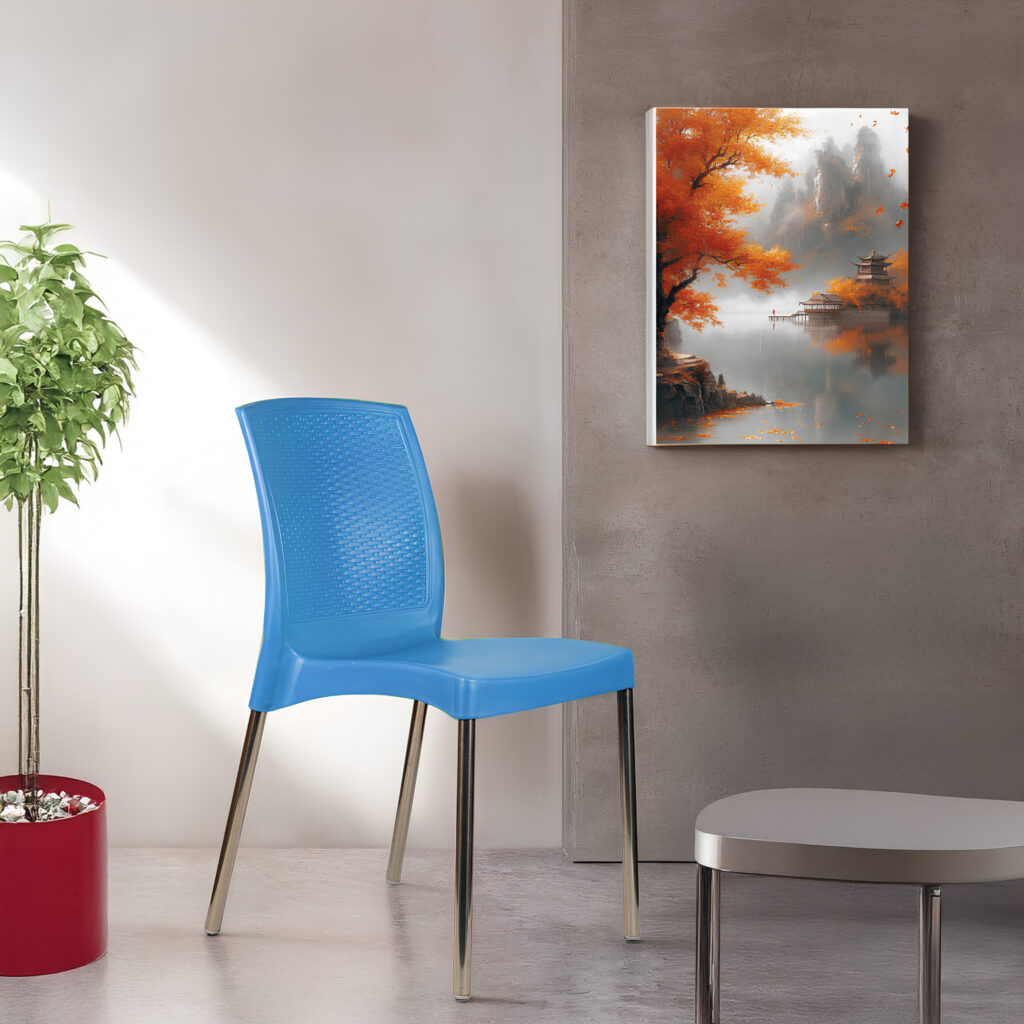
Customer Satisfaction
Customers need commercial chairs that deliver quality service, comfort, and good appearance. Customers may feel comfortable and need with products that live up to their expectations.
Moreover, quality control minimizes the cases of customer complaints and hence customer dissatisfaction. For the manufactures that produce commercial furniture and sell through distributors and big business enterprises, the quality of their products is a important competitive side.
Enhancing Comfort and Design
Quality security extends beyond strength and safety. It encompasses evaluating the seat size, backrest design, cushioning, upholstery, and surface treatments.
The manufacturer can evaluate foam density, fabric stitching, plastic shaping, and other finishings to ensure that the chair fits in the design specification. This ensures continued comfort and aesthetics for the multiple types of commercial seating.
Contributing to Business Sustainability
Having an efficient quality management system allows the manufacturer of commercial chairs to set up effective production approaches that respond to customer needs.
Keeping track of inspection data, failure score, customer reviews, and performance of the production can allow the manufacturer to make improvements to ensure better product design and commercial purchaser relationship.
Conclusion
Quality control is important in commercial chair manufacturing because it supports durability, safety, consistency, cost efficiency, and customer need. By inspecting materials, monitoring production, and testing end products, manufacturers can reduce defects and deliver trustworthy seating solutions.
For businesses supplying chairs to office, restaurants, hotels, cafés, and banquet halls, investing in quality control is more than a production need. It is a long-term strategy for building customer loyalty, protecting brand reputation, and achieving sustainable business growth.