

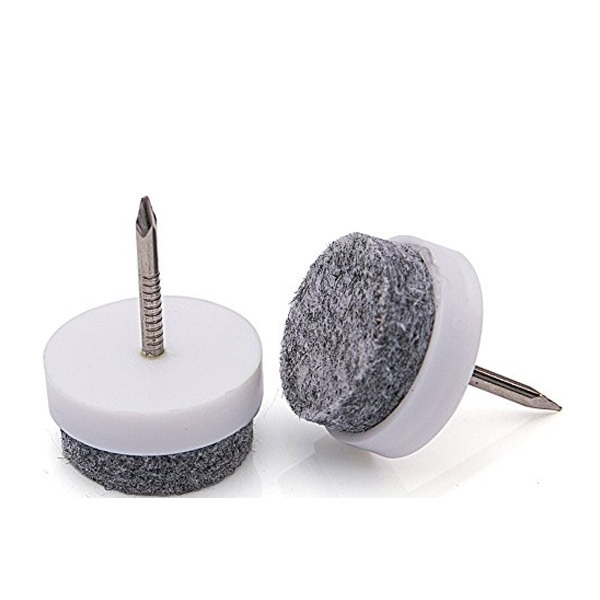
How to Choose the Right Chair Glides for Different Floor Types

Chair glides are minor parts, which serve the purpose of protecting floors, providing stability to the chairs and facilitating moving of furniture pieces. In commercial settings such office, restaurants, hotels, schools and waiting rooms, chairs are daily being moved during the working hours. Selection of chair glides appropriate for multiple floors could minimize scratching, noise and prolong furniture and floors lifespan.
Chair Glides for Wooden Floors
Wooden floors are quite sensitive to scratches and marks, which may be created during the constant moving of the chairs. As far wooden floors are concerned, felt chair glides are one of the most appropriate types since they create addition cushioning between the chair legs and the floor surface.
Businesses should pay special attention to proper sizing and security fixing of the felt glides and check them daily. The dirt that may get in old glides may cause floor scratching.
Chair Glides for Tile and Ceramic Floors
Restaurant floors, office floors, hospital floors and floors of other commercial buildings can be tiled or ceramic. Some hard plastic or nylon glides can perform good on such a floor if it is necessary.
If floor is smoother, then it makes sense to use rubber based glides to increase the grip and decrease every movement of chairs. Such glides must be safe for the floor and cannot damage it in every way.
Chair Glides for Marble and Polished Floors
It is difficult to maintain marble and polished stone floors because they get scratches easily. There are chair glides that prevent chair leg from reaching out floor directly and prevent every damage.
Businesses should think if glides used give enough stability to chair.
Chair Glides for Vinyl and Laminate Floorings
Vinyl and laminate floors provide a great option for commercial businesses due to their functional and aesthetic properties. Nevertheless, chair feet that do not match the surface may result in scratching or wear.
A proper glide that will not harm the floor surface by producing unnecessary friction must be used. The type of glide material is determined based on the recommendations of the floor producer and the frequency of furniture usage.
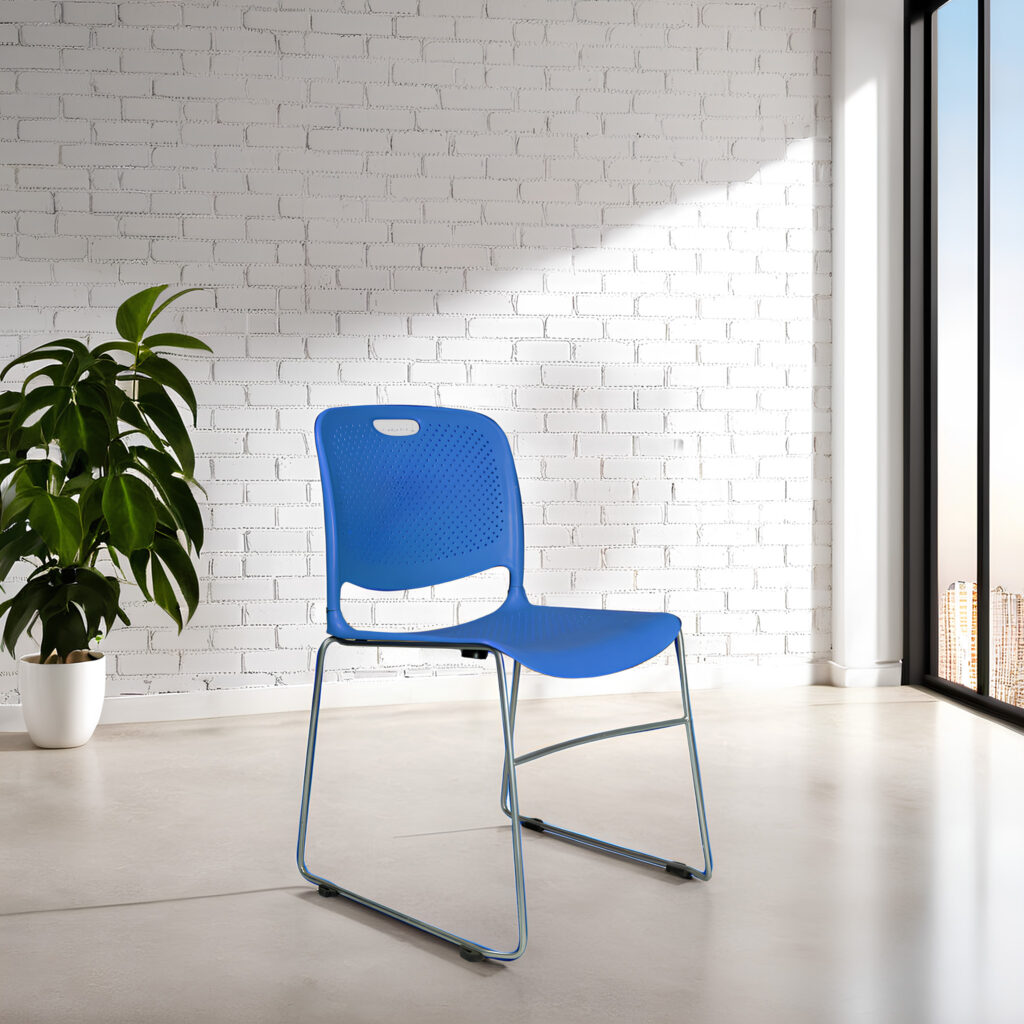
Chair Glides for Concrete and Other Rough Floorings
Concrete and other rough floorings may wear chair glides more intensively. Depending on the specific floor material and chair construction, nylon, plastic glides, or other strong materials must be option for use.
When dealing with outdoor or industrial places, other factors, such resistance to moisture and effects, must be considered.
Key Things to Consider When Choosing Chair Glides
When purchasing chair glides for commercial use, think the following aspects:
Floor compatibility: Purchase the type of material appropriate for the type of floor surface.
Durability: Select appropriate material suitable for the expected number of uses.
Proper fit: Make sure you select a chair glide that matches the shape of the chair leg.
Silent operation: Consider materials such felt where reduced noise is desirable.
Balance and safety: Make a selection of glides that limit unwanted movement without making it difficult to move the chair.
Inspection and maintenance: Check the situation of your chair glides periodically and replace used out, loose and broken ones.
Conclusion
Purchasing proper glides that complement multiple floor types forms part of commercial furniture maintenance. Felt chair glides can be useful in protecting wooden and polished floors. On the other hand, nylon, plastic and rubber based chair glides can work good for other types of floors.
Considering floor compatibility, durability, fit and maintenance will go a long way in helping you protect your floor, minimize unwanted noises and improve your commercial chair performance.