

Common Office Chair Parts Explained: Bases, Casters, Gas Lifts & Mechanisms

Office chairs are created to provide mobility, flexible, and ergonomic support. Although office chairs may seem like simple furniture, they include of several key elements that interact with each other to provide comfort, strength, and adjustability. Familiarity with the key element of office chairs, including bases, casters, gas lifts, and mechanisms, can help manufacturers, consumers, and users make legal options about quality and maintenance.
1.Chair Base
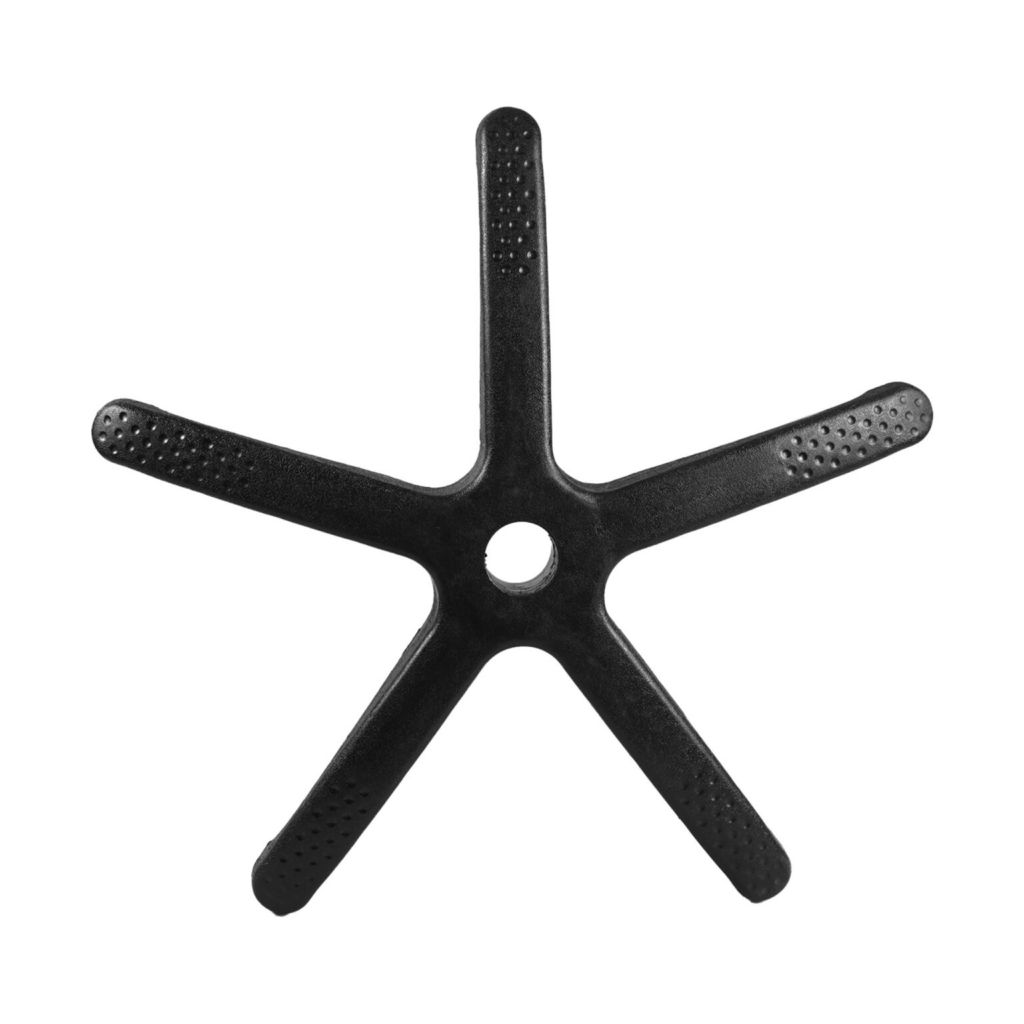
The foundation of an office chair is its foundation. The foundation is usually designed in a five-star changes to support the weight of the chair and provide stability. The five-star foundation design helps to prevent tipping and ensures smooth mobility the user changes position.
Office chair bases are usually made of:
Nylon or plastic: These materials are small, inexpensive, and perfect for usual office use.
Chrome-plated steel: This material is strong and corrosion-resistant, making it perfect for executive office chairs.
Aluminum alloy: This material is strong and small, providing a modern look and amazing durability.
The foundation should be sturdy enough to maintain the weight ability of the office chair while providing balance. A high-quality foundation is tested for weight ability to provide long-term stability.
2.Casters (Chair Wheels)
Casters are the wheels on the foundation that let the smooth movement of the chair over the floor. They improve mobility and ease of access when reaching distant areas of a work environment.
There are multiple types of casters:
Hard casters: These are made of nylon or hard plastic, designed for use on carpeted floors.
Soft or PU casters: These have a polyurethane coating, which is best suited for hardwood, tile, or floors, they don’t scuff the floor.
Locking casters: These have a braking system that locks the chair in place when need.
Caster stems are made to be universally compatible, but proper size matching is critical. Good quality casters are noise-free, easy to roll, and durable.
3.Gas Lift (Pneumatic Cylinder)
The gas lift is the mechanism used to chnage the height of the chair. It is a closed cylinder that contains compressed gas, which lifts or lowers the chair seat when the height changes lever is pressed.
Gas lifts are classified according to their strength and weight-bearing capacity:
Class 2: Standard living use.
Class 3: Typically used in commercial office chairs.
Class 4: Heavy-duty usage with large weight ability.
A good gas lift provides smooth vertical movement without jerking movements. It must be safety-tested and approved for pressure resistance.
4.Chair Mechanism (System of Tilt and Recline)
The mechanism is the control system place under the chair. It links the seat, back, and gas lift to let different changes.
Typical mechanisms available are:
Center Tilt Mechanism: The whole seat and back move together from a central axis.
Knee Tilt Mechanism: The axis is place closer to the front part of the seat, providing a natural reclining action.
Synchronous Mechanism: The seat and back move at different angles in a synchronized ratio, providing better ergonomic support.
Multi-Lock Mechanism: Enables the user to lock the chair in different positions of recline.
High-quality mechanisms are constructed from heavy steel and designed with tension control systems that vary resistance according to the user’s weight.
Importance of Compatibility and Quality
Each of these parts must function perfect balance. Low-quality element may cause instability, noise, pain, and a shorter lifespan of the product. For both the manufacturer and the consumer, It is crucial to select parts that have been tested and certified for quality and safety.
Maintenance, such cleaning the casters, test the screws, and analysing the mechanisms, can particular improve the lifespan of a chair.
Conclusion
The performance of an office chair relies on the strength of its foundation, the smoothness of its casters, the reliability of its gas lift, and the accuracy of its mechanism. Knowledge of these necessary is need for selecting, repairing, or designing a high-quality office chair that promotes productivity and comfort.