

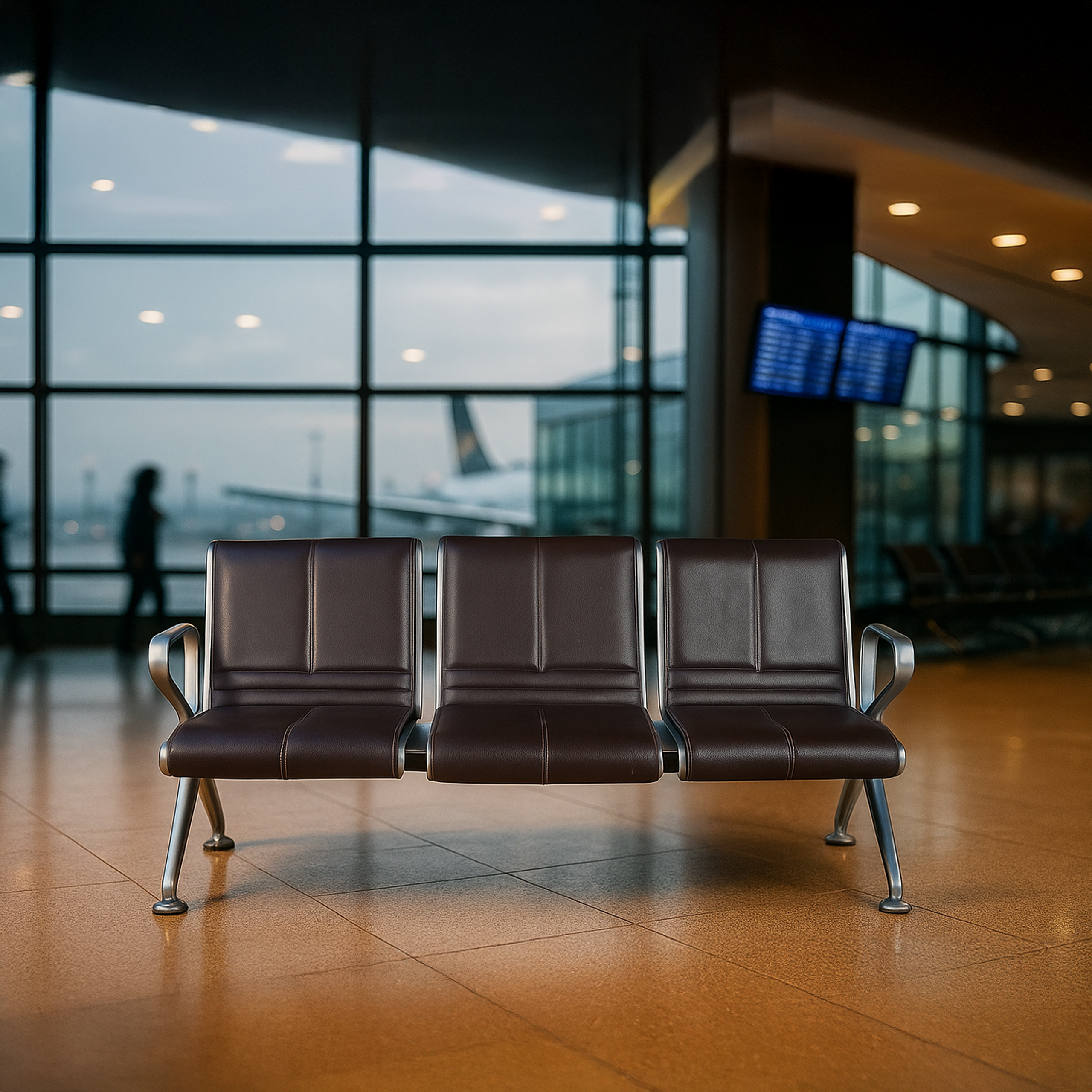
Why Modular Waiting Chairs Are Trending in Modern Public Spaces

Public spaces in today’s fast-evolving world are being redesigned for comfort, adaptability, and efficiency. From airports and hospitals to corporate provide and government buildings, there is one growing trend: modular waiting chairs. These seating systems are very quickly replacing traditional fixed chairs, and for good reason. These modular chairs were designed for adaptability and long-term use; through their designs, they are changing how people experience the waiting place.
1. Flexibility That Public Spaces Need
Modern public spaces are not one-size-fits-all in their layout anymore. Crowds differ, space constraints change, and patterns of use change. What really sets modular waiting chairs, though, is the reality that they can easily be reconfigured based on need. Whether you need a long row of seating, smaller clusters, or spaced-out seating for privacy, a modular system easily adjusts. This makes them perfect for high-traffic spaces where space needs to work smarter, not harder.
2. Improved Comfort and User Experience
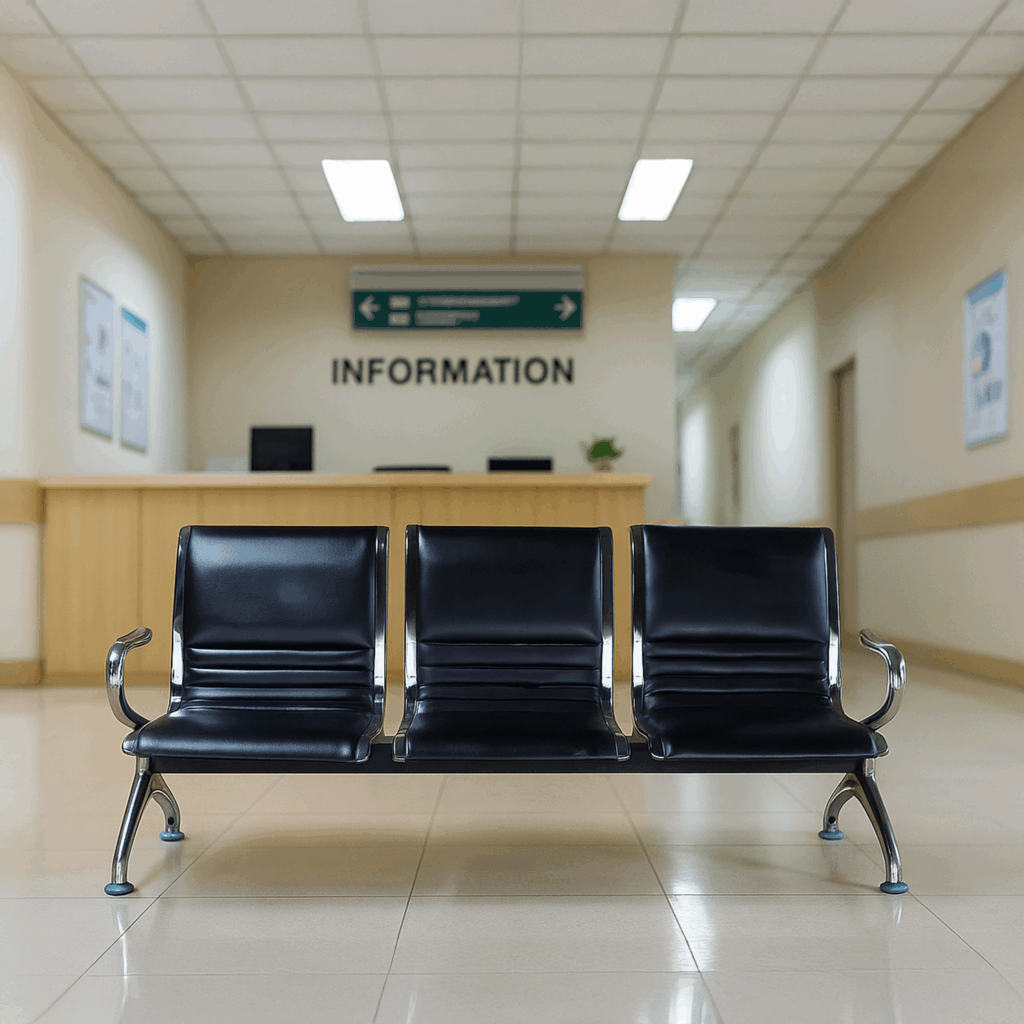
Comfort plays a big role in people’s perception of a public space. Quite often, the design of modular waiting chairs includes ergonomic contours, proper back support, and durable materials for long-term comfort. Indeed, some models allow the addition of armrests, cushions, or premium upholstery for an even more inviting experience. The outcome is that users are much more relaxed and less stressed while waiting, a crucial element in hospitals, clinics, and hubs for transportation.
3. Clean, Modern Aesthetics
Public spaces these days have a sleek appeal and modern touch. The borders are clean, the designs consistent, and the colors to suit one’s tastes, adding to this aesthetic in modular waiting chairs. Their neat appearance makes an environment look professional, organized, and well-managed. Architects and interior designers like the use of modular seating to be it speaks to contemporary concepts and aids in introducing consistency to large spaces.
4. Space Optimization & Improved Flow

It is important to ensure that there is good Usefulness of space in a busy public place. Modular chairs can fit into designs best by not leaving gaps and allowing streamlined, gapless sitting. Against walls, direct, or curving, depending on the design of the place, they can be set up accordingly. This, in turn, enhances flow and will make certain that every single inch of space is used effectively.
5. Easy Maintenance and Replacement
One of the benefits of modular waiting chairs is that they have a work that is easy to maintain. Using separate units making up the build, parts can be replaced that have been damaged without dismantling the whole seating system. Downtime is reduced, costs are less, and the lifecycle of the furniture is prolonged. The ability to make such sturdy and repairable furniture makes it invaluable for places with heavy daily use.
6. Customization for Varying Locations
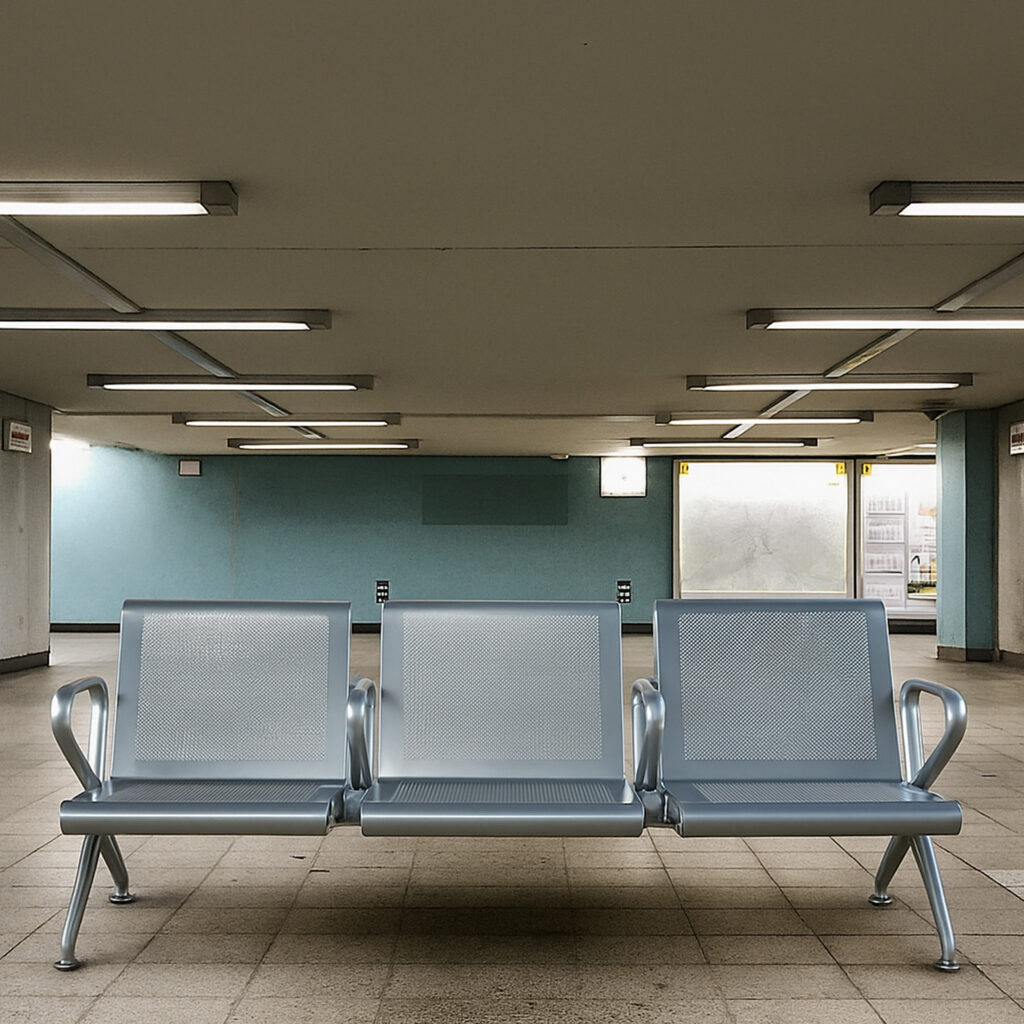
Be it a corporate reception or a crowded government office, the design of modular waiting chairs can be tailor-made to fit the environment. The Options could include plastic to metal to cushioned seats, two-seaters to five-seaters, and add-ons like tables and armrests, to perforated designs. This immense customizability extends their applicability across industries and user requirements.
7. Cost-Effective and Long-Lasting
Investing in modular seating saves money; these systems are built to last, with strong frames and robust materials, not to mention replaceable parts that add value to an investment. Unlike traditional seating, which may have to be replaced entirely when damaged, modular chairs contribute to fewer ongoing costs.
Conclusion It is no accident that modular waiting chairs have been featured in contemporary public spaces. The functionality, durability, aesthetic appeal, and comfort for users make them the perfect choice for the surroundings of today. In the continuously changing public space, modular seating will continue to provide a solution—welcoming, functional, and well-managed waiting areas for all.