

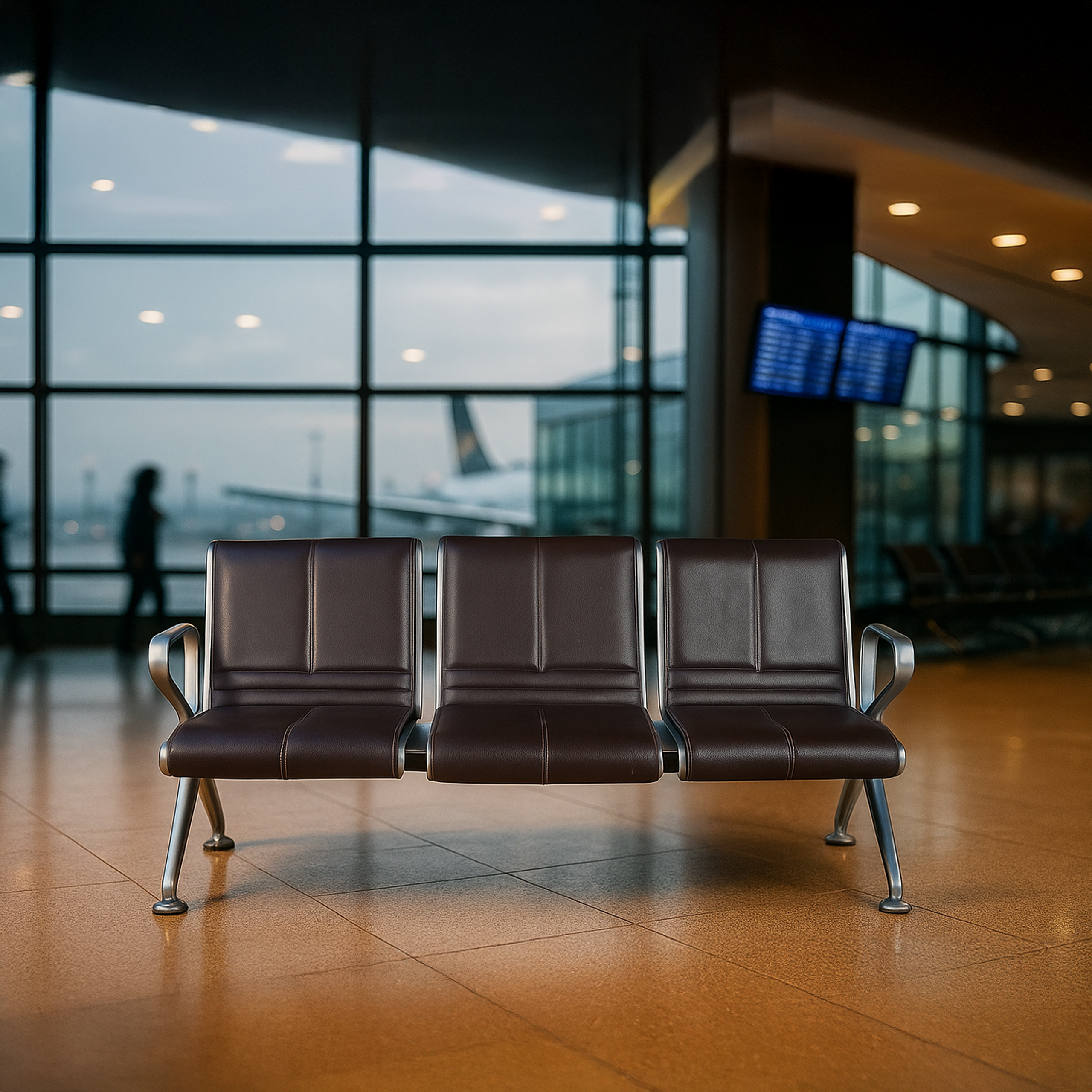
Why airports and stations are switching to smart seating solutions.

Airports and railway stations are no longer is to way of flow; not, they have emerged like modern high-traffic hubs where comfort, convenience, and efficiency have never been in further demand. As the number of passengers continues to increase every year, the need can no longer be content with traditional seating. This has contributed to a special style of intelligent seating, which integrates technology, ergonomic needs, and user-friendliness to further allows the travel experience.
But what usually makes smart seating the future? Let’s explore why airports and stations around the world are making the transition at such a rapid pace.
1. Better Comfort for Long Waiting Hours
Travel usually involves delays, layovers, and long waits. Traditional seating in metal or plastic can easily result in distress, fatigue, and body strain. Smart seating solutions address these issues by:
Ergonomically contoured designs
Cushioned or memory-foam seating modules
Lumbar-supporting backrests
Wider size of the seat for better relaxation
Such modern improved have made tourists less stressed and more comfortable, even when facing long waiting periods.
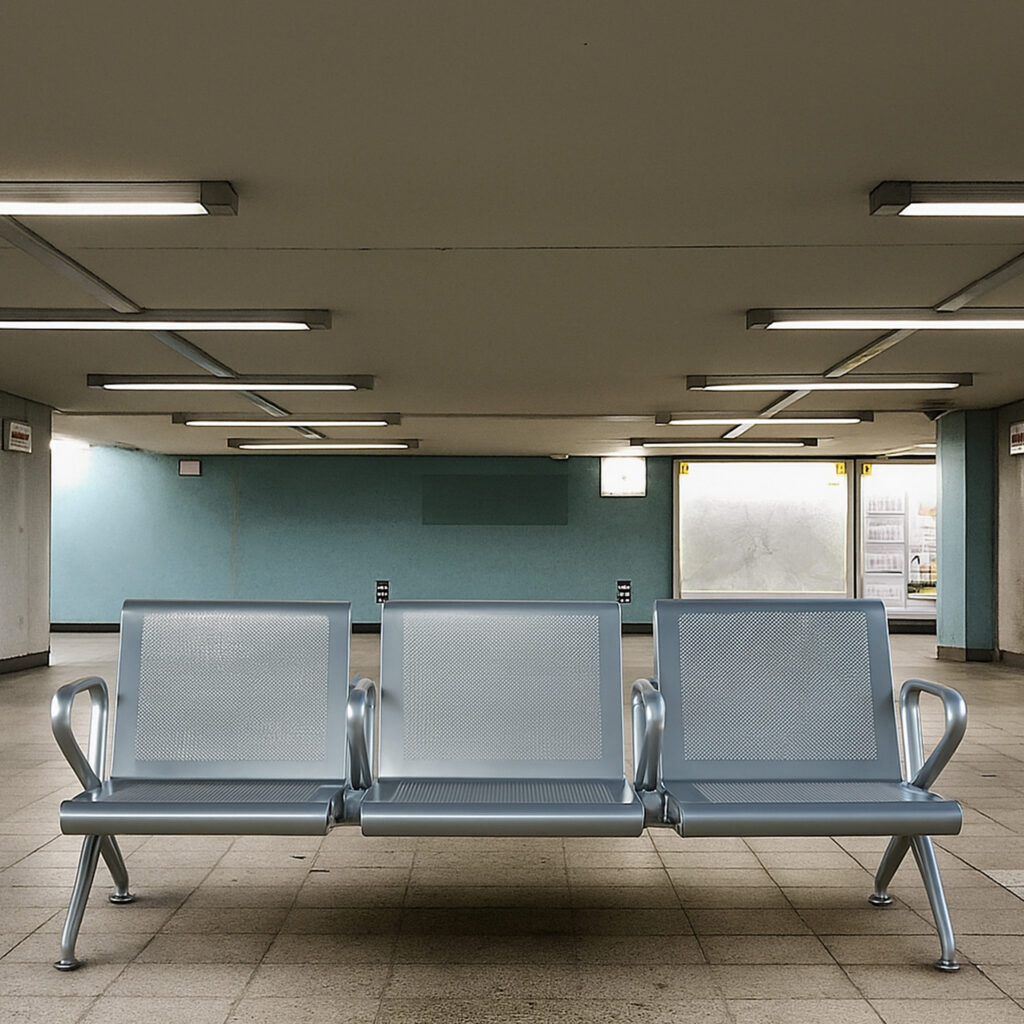
2. Built-in Charging Ports Solve a Major Pain Point for Travelers
Travelers today rely on heavily on smartphones, tablets, and laptops. The search for charging place has always caused one of the biggest frustrations at airports and stations. Smart Seating eliminates these hassles by offering:
- USB charging ports
- Wireless charging pads
- Power outlets integrated directly into seats
This convenient access keeps passengers linked and boosts the overall quality of their journey.
3. Smart Seats Improve Crowd Management
Airports and stations have to work with thousands of people in one hour. Smart seating assists officials in managing crowds through:
Digital occupancy indicators
Heat-map sensors to track seat usage
Automated notifications when selected areas get crowded
This technology makes it easier to direct passengers to available seating areas and maintain better flow across waiting places.
4. Improved Safety and Hygiene Features

Travel in the post-pandemic era has changed expectations like In terms of hygiene. Smart seating systems now feature:
Antimicrobial surfaces
Easy-to-clean materials
Contactless charging features
Spaced-out design to ensure safer distancing
These features contribute to passengers feeling safer and more comfortable in shared spaces.
5. Accessibility for All Travelers
Smart Seating advocates for inclusivity through features like
Many ways of seating
Flip-up armrests for wheelchair access
Special priority seating with further support
Tactile indicators for visually impaired passengers
This ensures comfort seating is reachable to senior citizens, disabled passengers, and families without much hassle.
6. Energy Efficiency and Sustainability

Many modern seating systems add further green technologies, including:
Solar-powered charging units
Recycled materials
Tiny LCD screens.
This not only saves costs on operations but further meets the goals of global sustainability.
7. Improved Aesthetics and Modern Appeal
Smart seating upgrades the aesthetic of airports and stations. Sleek designs, combined with modular layouts using contemporary supplies, provide a modern inviting environment that creates & enjoyable passenger experience.