

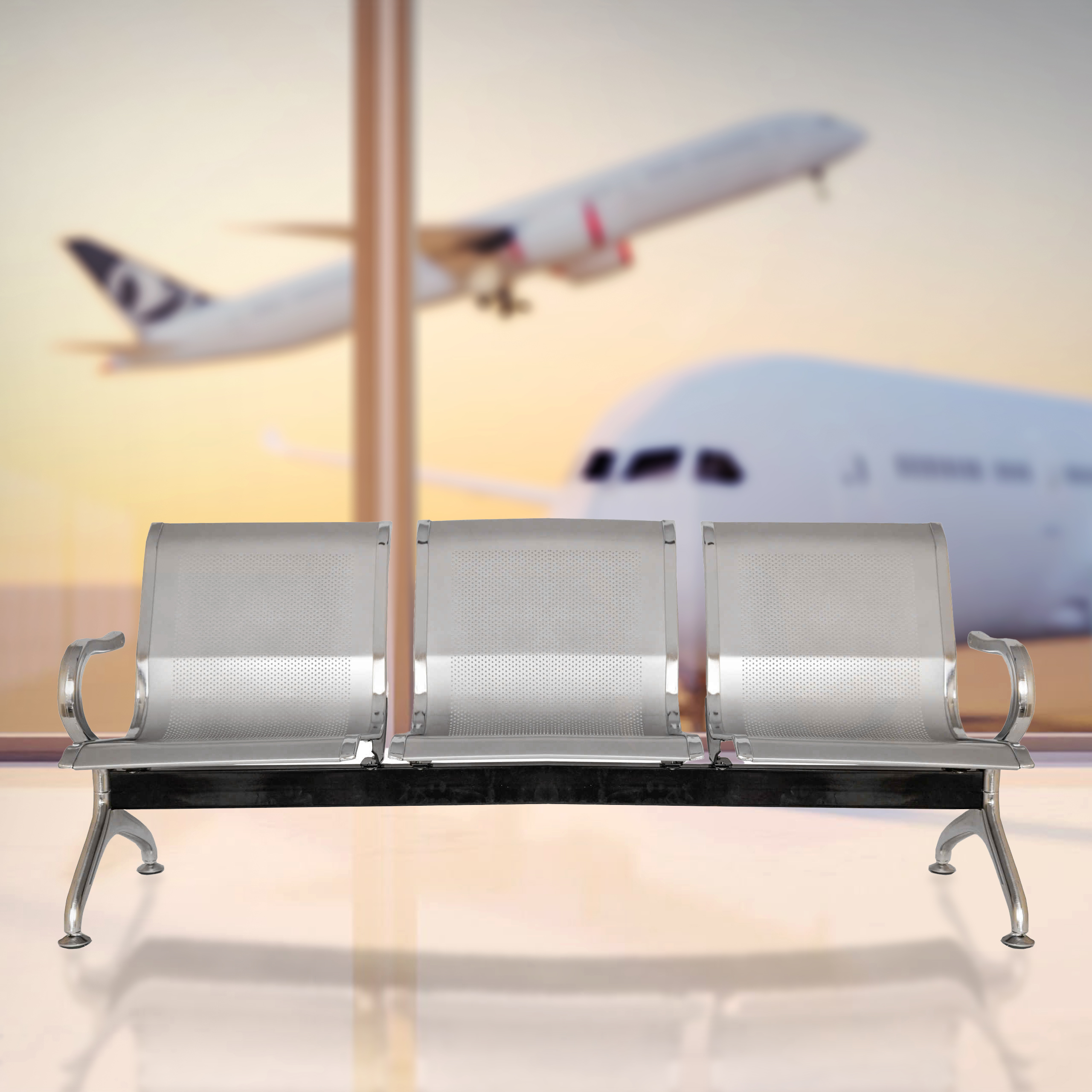
The Role of Armrests and Back Support in Waiting Chairs

Waiting chairs form one of the important parts of public and commercial areas, starting from hospitals to airports, provide, and government buildings. While durability and design attract most of the attention, the real value of a chair rests in the comfort and ergonomics it provides. Two key factors which add to user comfort are armrests and back support. These features not only improve the user experience but moreover promote good posture, reduce fatigue, and improve access-usability, making them a crucial element in every well-designed waiting chair.
1. Comfort Beyond the Basics
Waiting areas naturally evoke images of long periods of indeterminate sitting. Even short waits can be uncomfortable without support. Armrests and back support create seats comfortable and health conscious.

Unlike simple benches or backless chairs, ergonomic waiting chairs with armrests and supportive backs let users relax naturally. This reduces strain on the body and makes waiting less stressful, especially in places where patience is already tested — like hospitals or airports.
2. Importance of Back Support
The backrest is one of the elements in designing a waiting chair. It encourages the right posture and avoids fatigue or backache resulting from sitting for too long.
Key benefits include:
Posture Alignment: A suitably angled backrest supports the spine’s natural curve and reduces slouching.
Pressure Relief: Proper lumbar support distributes body weight evenly, preventing lower back strain.
Long-term comfort, especially in high-traffic public areas, depends on proper back support so that people of all ages can sit for long, stretches that are comfortable.
The most suitable backrests have been suggested to be those with a recline angle, mostly between 100° and 110°. Thus, perforated metal or formed plastic backs allow good ventilation to keep users cool and comfortable.
3. The Function of Armrests
Armrests are not just for aesthetics; In they have a practical and ergonomic use.
Benefits of Armrests in Waiting Chairs:
Ease of sitting and standing: The armrests Turn on users, if older or physically challenged people, to get up or sit down safely and with minimal effort.
Personal Space and Comfort: They set boundaries for sitting, minimizing distress from snug contact, especially in crowded areas.
Postural Support: Allowing users to rest their arms relieves tension in the shoulders and neck, promoting relaxation.
Armrests moreover serve to be places to rest in public places like airports or hospitals, where people usually carry bags or documents. This adds to the overall functionality of the chair.
4. Balancing Design with Utility
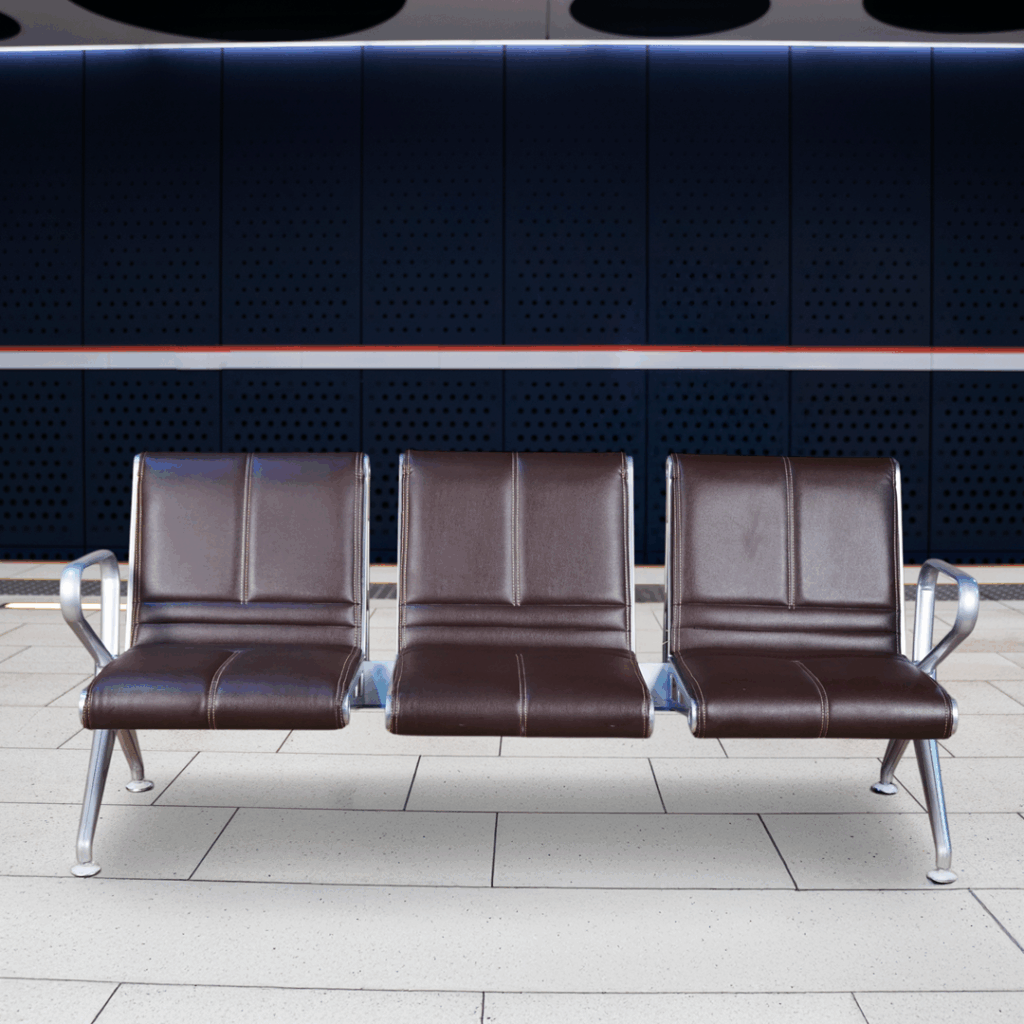
Contemporary chairs for waiting areas are designed to combine functional value with aesthetics. Depending on armrests and backrests can be made from a variety of materials: stainless Melded resin and steel, or padded fabric.
As such, metal beam chairs with integrated armrests suit airports and transportation stations effectively, serve strength along with durability. On the other plastic Mold by hand chairs with soft contours and flexible backs are perfect l for indoor waiting place, merging comfort with sleekness.
Companies like Diya Seating Solutions focus on ergonomically designed seating systems with armrests and supportive backs that provide comfort, safety, and longevity in public use.
5. Accessibility and Exclusivity
Public seating has much to do with inclusive design. The presence of armrests is indispensable for elderly people, pregnant women, and people with disabilities because Such people armrests in order to change their body positions from one to another. Providing a mix of seats-some with armrests and others without creating areas that are available for all, including wheelchair users or people more space.
6. Durability and Maintenance Advantages
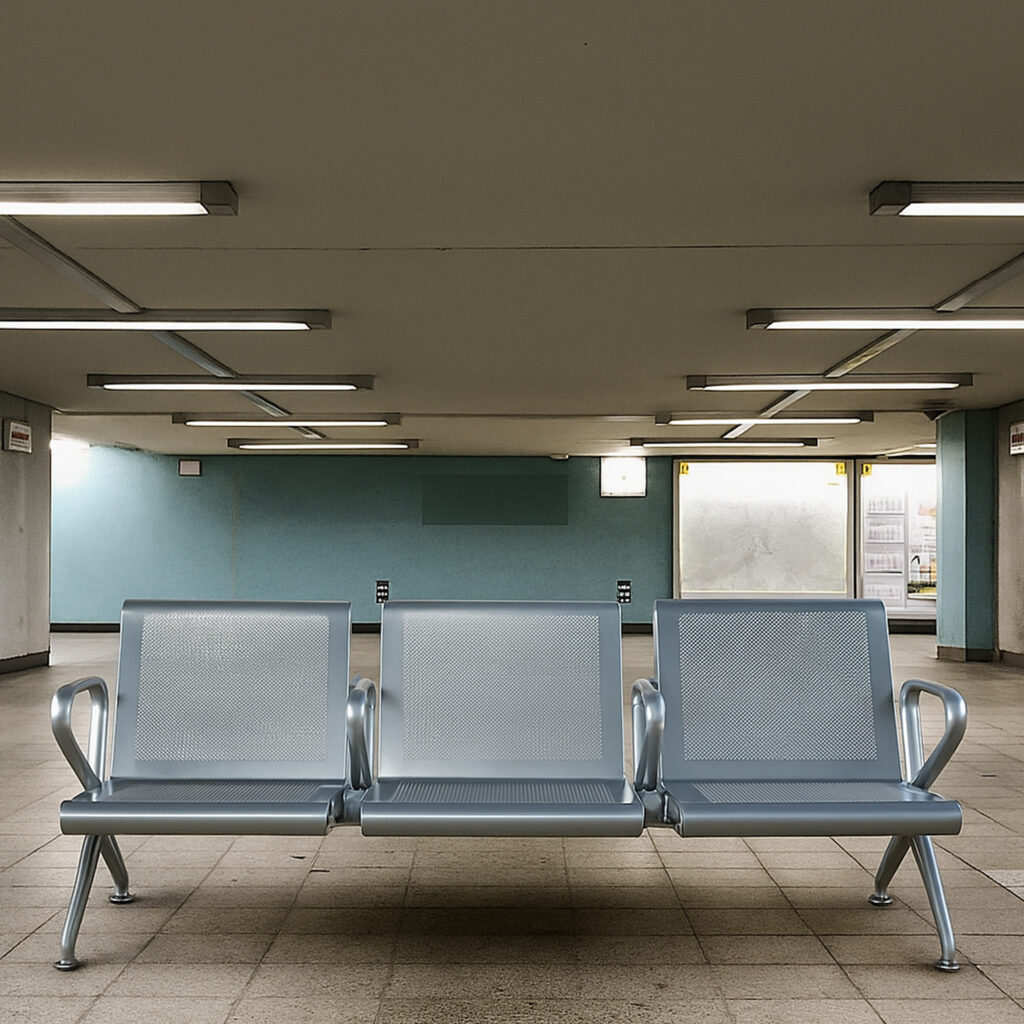
Moreover, well-designed armrests and back supports contribute to the structural integrity of the chair. They distribute pressure evenly to reduce wear and tear on the for seating. Easy-to-clean materials, like powder-coated metal or plastic, ensure long-term maintenance efficiency-a must in busy public areas.
Each of these is not an option but rather an integral part that defines the comfort, usability, and availability of a waiting chair. Put together, they improve posture and reduce fatigue while improving user contentment.