

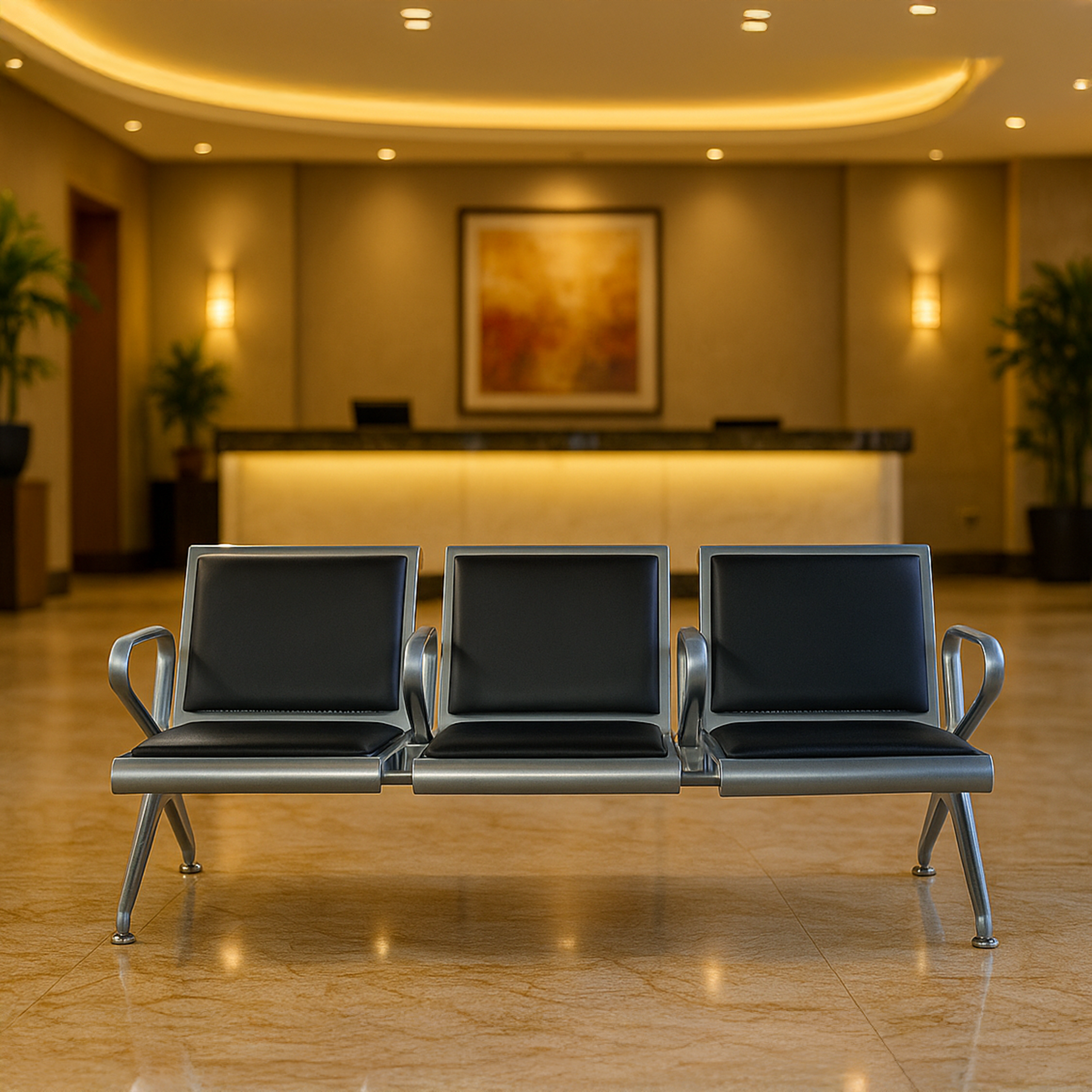
Why Public Seating Design Matters: Comfort Beyond the Surface

Public seating is Usually ignored if it is possibly to be purely functional in nature. In reality, the way that benches, waiting seats, travel seats, and community-area furniture are designed probably has some potent implications for comfort, safety, accessibility, & even emotional states of mind when it comes to shared spaces. Good public seating doesn’t just provide a place to sit; it enhances overall experience, supports health, & influences the interactions between communities.
1. Comfort directly affects well-being.
Whether people are waiting at the bus stop, relaxing in a park, or just spending time at a seats and public facilities comfort pays an important role.
A well-designed seat should:
Support natural posture
Reduce pressure on the spine and hips
Provide enough space for different body types.
Let comfort during extended wait times
Without proper ergonomic design, distress can set in quickly, leading to fatigue, stress, and dissatisfaction.
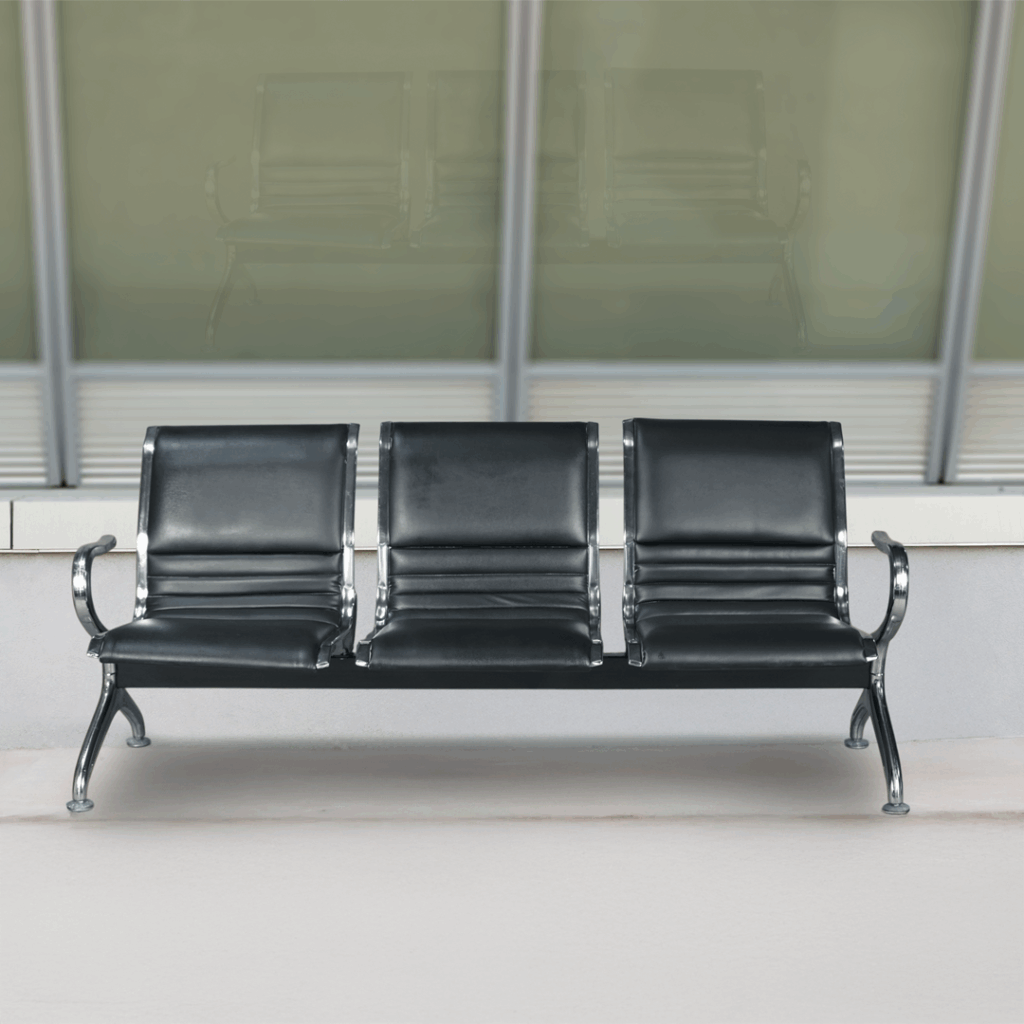
2. Encouraging Positive User Experience
Public seating contributes to the way people view an environment.
Comfortable seating in parks encourages more outdoor time.
Good seating at stations or airports eases travel stress.
Well-placed benches encourage social interaction in public spaces.
When people feel physically at ease, their overall experience becomes specially Good.
3. Accessibility for All Users
Public seating has to include, but is not limited to, children, elderly people, and disabled and paralyzed persons.
Thoughtful design includes:
Correct seat height for easier sitting and standing
Armrests for support
Stable and slip-resistant surfaces
Adequate spacing for wheelchairs and assistive devices
Accessible seating is a necessity, rather than a luxury, in public inclusive environments.
4. Durability and Safety in High-Traffic Areas
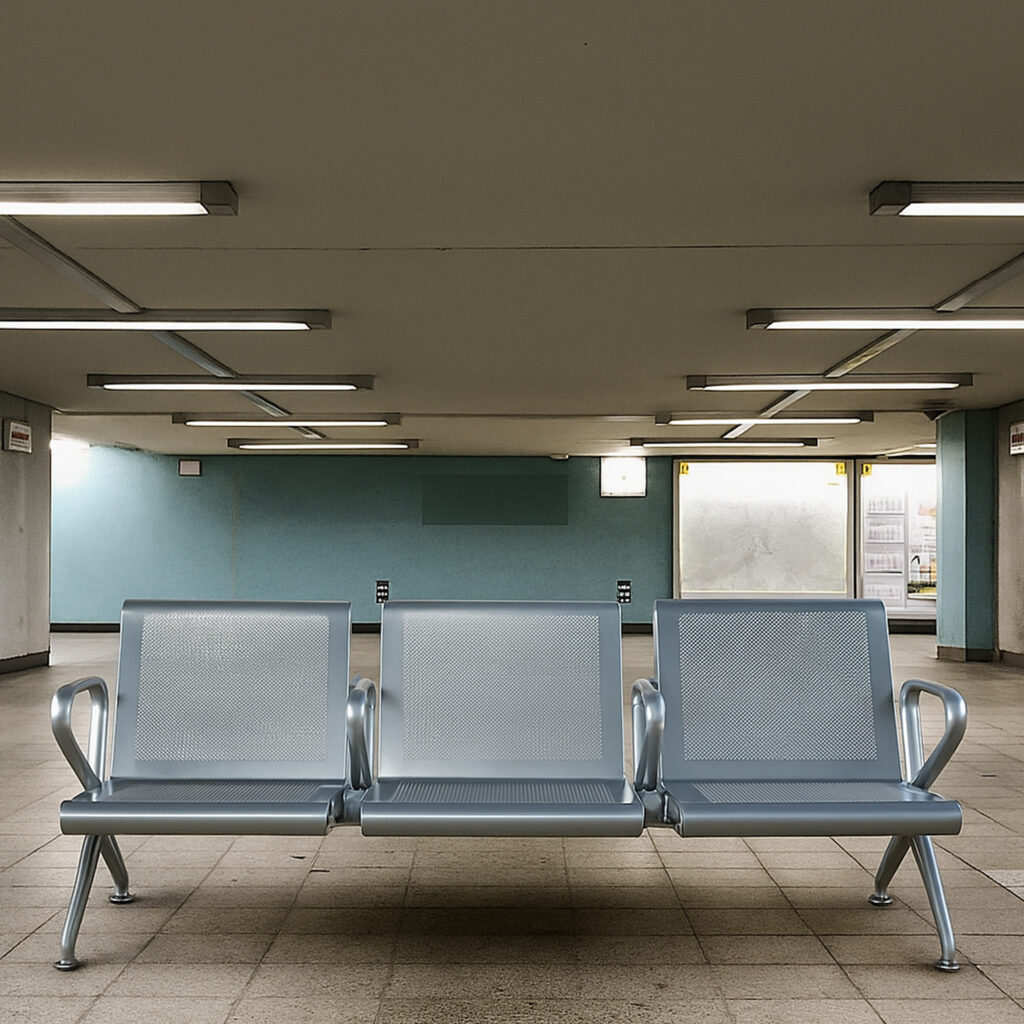
Public furniture is put through heavy, constant use and variable weather conditions.
High-quality design focuses on:
Hard materials resistant to wear
Rounded bear for safety
Anti-theft and anti-vandalism construction
Weatherproof coatings for outdoor seating
Durable seating ensures safety while reducing maintenance costs over time.
5. Improve the Aesthetic and Ambient Environment
Seating design contributes to visual appeal in a space.
Modern public spaces use seating to create inviting environments with:
Pleasant colours and layout
Smooth, appealing shapes
Designs that complement surrounding architecture
Good aesthetics make public spaces more welcoming and allows people to stay there for a longer time.
6. Supporting Community Interaction

The well-planned installation of public seating can build stronger communities.
For example:
Circular or cluster-style seating encourages conversation
Park benches provide a probably for relaxation and interaction between people.
Seating near playgrounds allows parents to comfortably supervise children.
Thoughtful seating layout official how people connect with each other.
7. Enhancing Efficiency and Flow in Public Spaces
Examples of areas where seating designs affect the flow of crowds and waiting are hospitals, airports, and government business. Smart seating layouts help: Organize queues Reduce congestion Separate waiting locations Guide people naturally through the space This improves both safety and operational efficiency.