

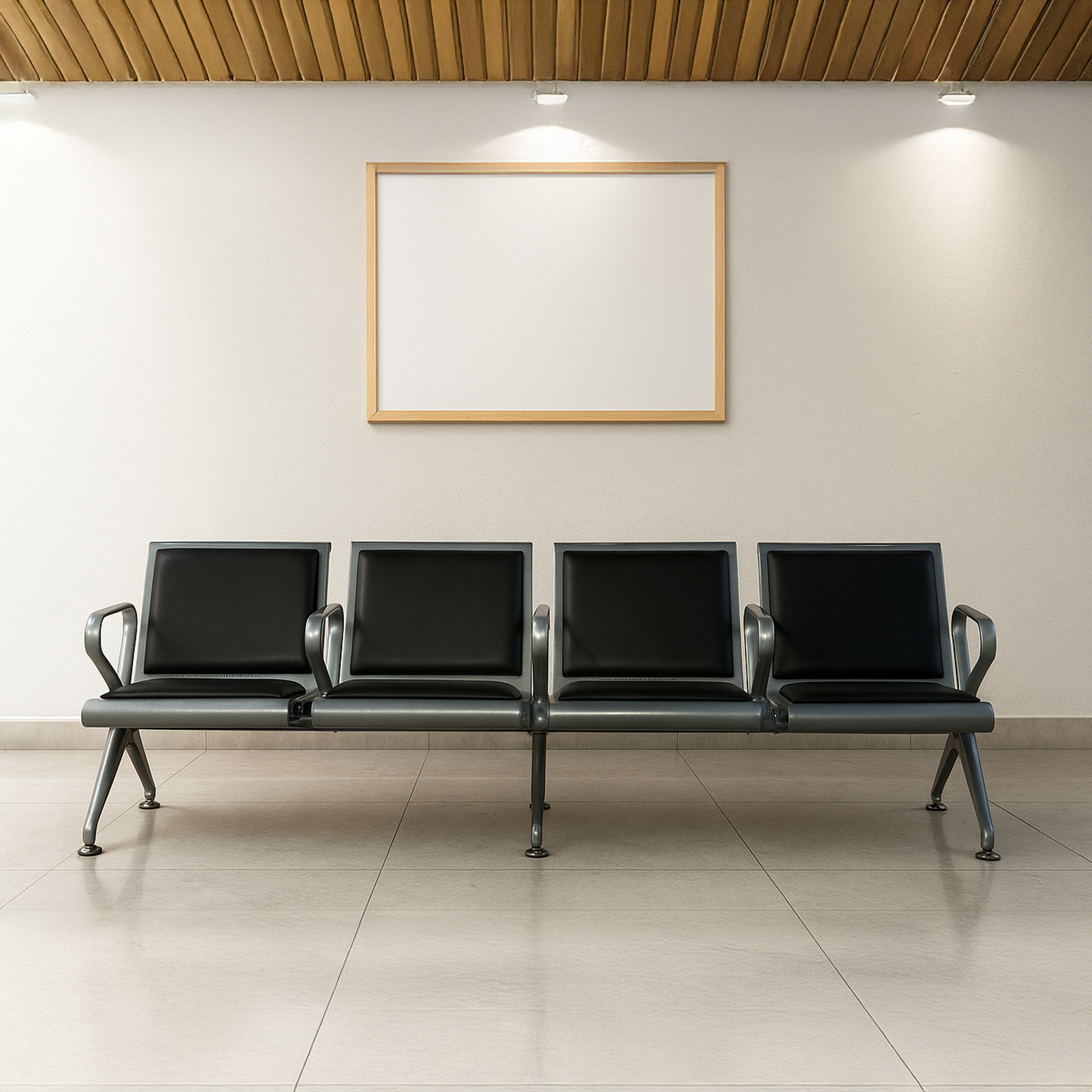
Designing Modern Public Spaces with Comfortable Seating

Creating modern public spaces means more than just architecture and layout: it is the Critical seating that raises the bar on comfort, supports human interactions, and ultimately upgrades the guests experience. Anything from a hospital lobby to an airport stations, shopping mall, or community center-the choice of seating plays a key role in defining how people are going to feel and act in these environments. Comfortable seating does not improve usability but further helps define the tone and identity of the space.
Why Comfortable Seating Matters in Public Spaces
1. Improves Visitor Experience
It is important that public spaces are inviting. Comfortable seating reduces stress for guests by providing a place to rest, wait, or interact with others. A well-designed seating location can immediately make a space more inviting and user-friendly.
2. Encourages Longer Engagement

The provision of comfortable seating in malls, airports, museums, & travel stations invites people to linger, promoting better flow and, by extension, Good workout. When people feel at ease, they naturally engage more with the environment.
3. Increased Accessibility for All
Public design in modern times has focussed on ability. Comfortable seating ensures that people of all ages and physical ability can use the space. Features like supportive backrests, armrests, and proper seat height make seating more accessible & safer for people of all ages.
Key Elements in Modern Seating Design
1. Ergonomics First
Seating should provide for natural body postures and minimize physical distress. Chairs with contoured backrests, cushioned surfaces, and balanced proportions help prevent strain when waiting, especially for extended periods.
2. Durable and Low-Maintenance Materials
Public spaces necessary seating that can withstand constant use. Materials like stainless steel, high-density plastic, and reinforced metal frames further combine durability with ease of cleaning, important in an environment where hygiene can be a real problem.
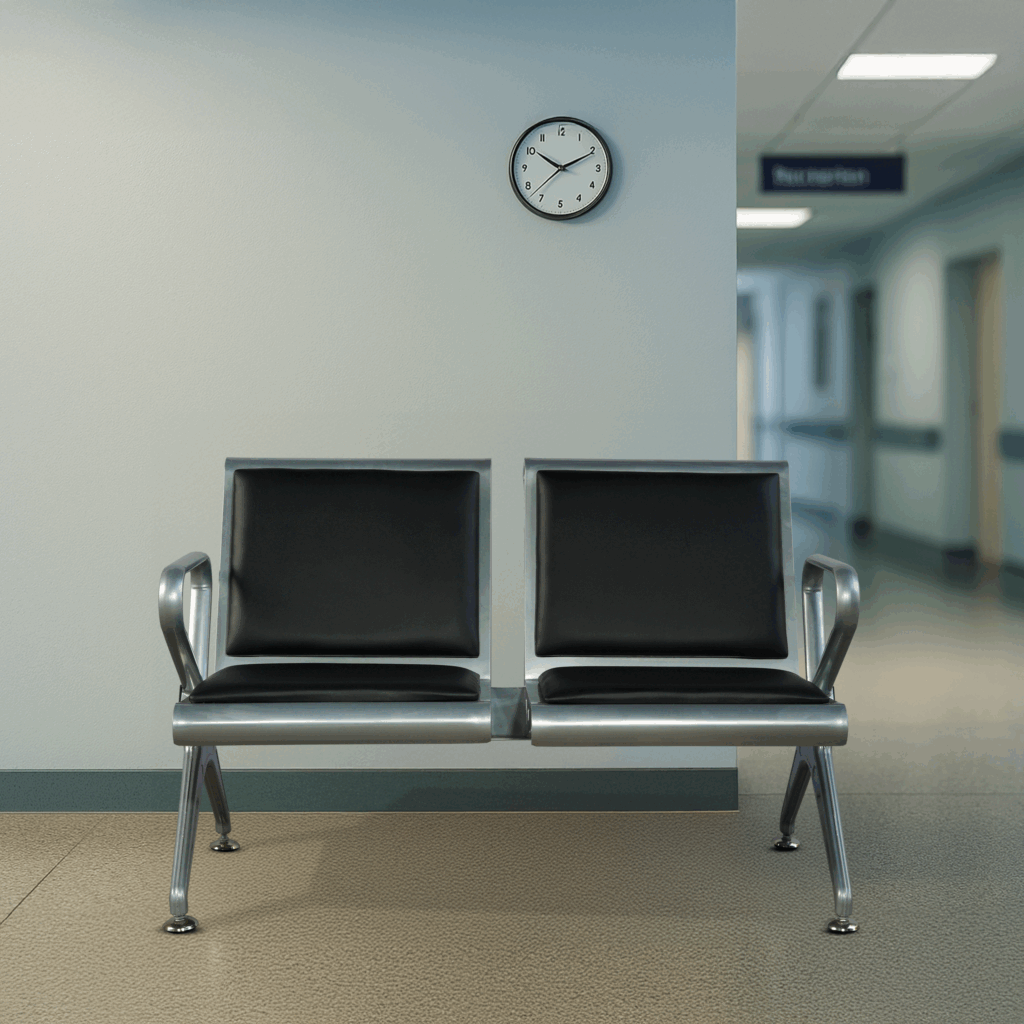
3. Flexibility in Design
Modern people are agile public spaces. Seating, depending on the layout, may include the following:
Beam seating for big waiting areas
Lounge chairs for relaxed environments
Modular seating clusters able to be rearranged
Benches for open, shared areas This agility caters to the needs of accepting set up, crowd size changes, and varying requirements of users.
4. Aesthetic Appeal
Seating adds to the visual identity of the space. Sleek, minimalist designs present a contemporary look, while warm colors and textures can provide more welcoming feelings. The way is to achieve the proper balance between function and style to complement the design theme. Smart Planning for Public Seating
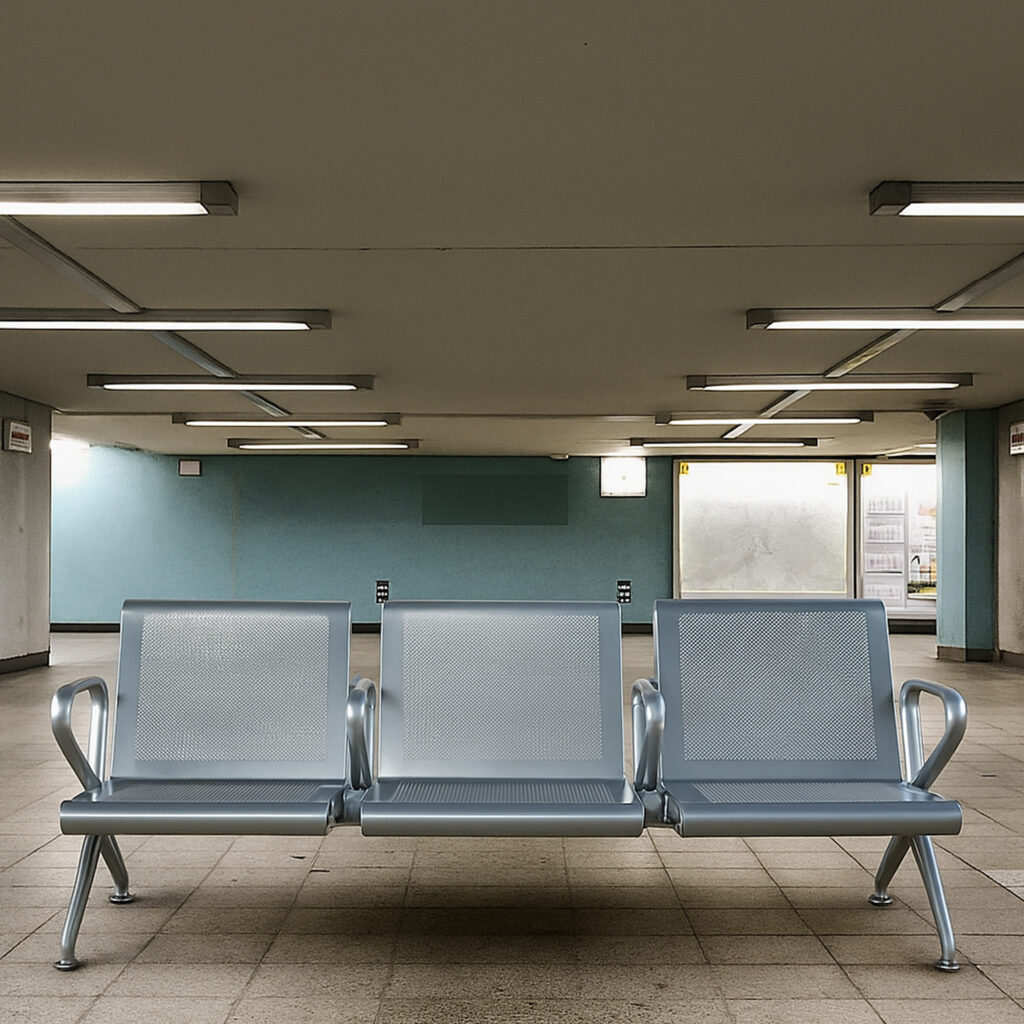
1. Strategic Placement Place seats near entrances,
details ways, kiosks, and walkways, where people naturally tend to congregate. Open layouts with clear visibility improve safety, too, by reducing congestion.
2. A Mix of different seating types
Many people have different needs. Giving them a mix of single chairs, multi-seaters, high stools, and soft seating options allows them to find a place where they will feel comfortable.
3. Safety First
Accidents can be prevented by stable construction, non-slip feet, rounded boards, and strong frames. Safety is of prime importance in a high-traffic environment like hospitals & travel hubs.