

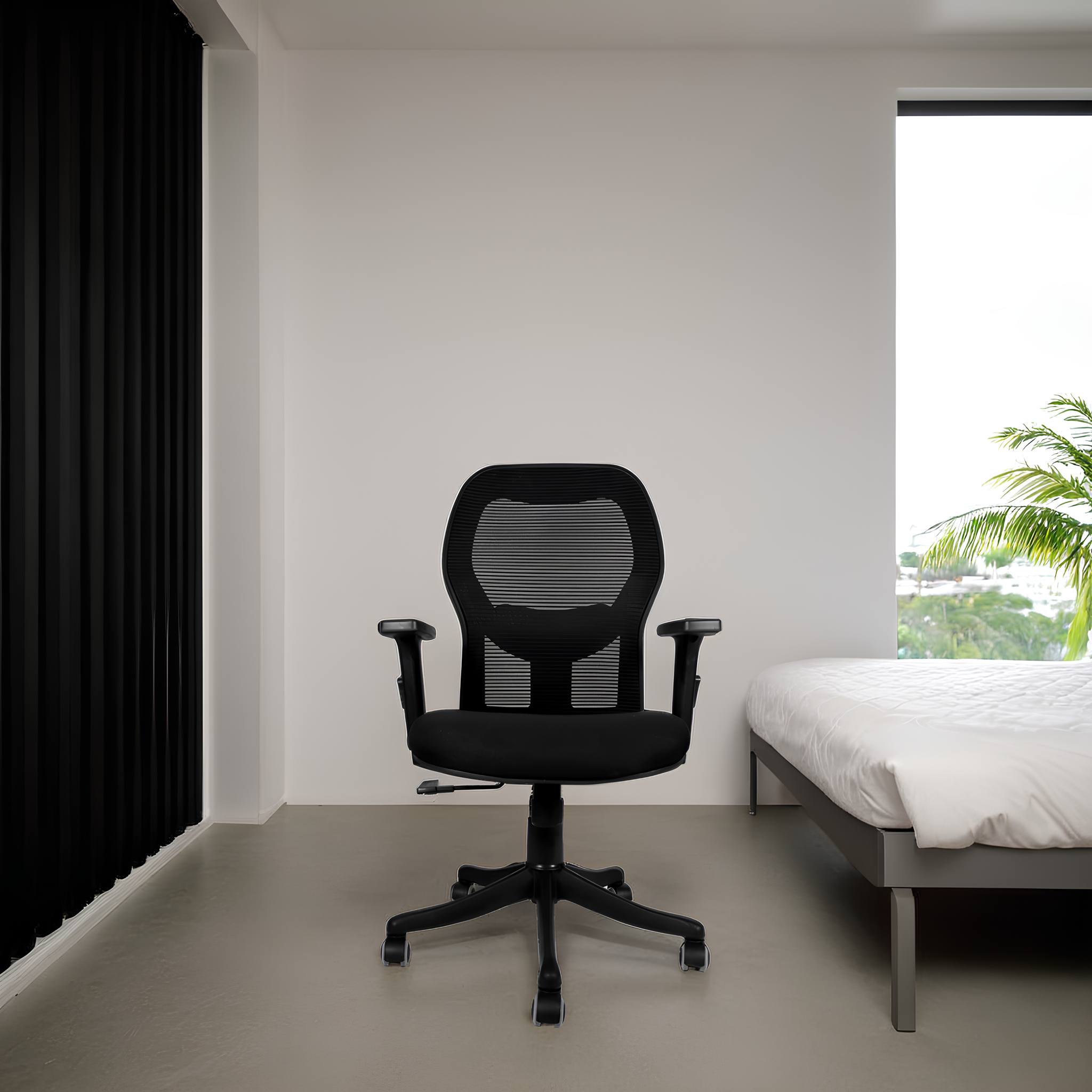
Top Office Chair Features for Long Working Hours

Nowadays, many professionals have to sit at their desks for eight to ten hours or even more. Be it from home or in the office, the quality of the seats affect your comfort, productivity, and health in the long run. Choosing the right office chair is not about aesthetics; it’s about finding a seat that will support your body during extended periods of time when focusing on your work. Here are the top features to look for in an office chair designed for long working hours.
1. Ergonomic Design and Lumbar Support
An ergonomic chair is constructed to support your spine’s natural curve. Proper lumbar support is important for maintaining posture and not putting too much strain on your lower back. Chairs with adjustable lumbar mechanisms improved users to make specific changes depending on body shape. The feature helps avoid back pain, which is one of the major problems office workers experience due to prolonged sitting.

2. Adjustable Seat Height and Depth
No two people are made just the same, and that is why adjustability becomes an important criterion. The perfect office chair should allow you to change seat height so your feet can rest flat on the floor with your knees at a 90-degree angle. And since seat depth is adjustable, you are assured that the front of the seat will not push against your thighs, restricting blood flow. Together, these changes promote better posture and comfort, especially during long hours of continuous sitting.
3. Recline and Tilt Mechanism

Static sitting leads to stiffness and fatigue. A chair that reclines or tilts automatically encourages small movements during the day, reducing tension in the spine and muscles. Reclining will further increase blood flow and reduce pressure on the lower back. Look for a chair that allows you to change tilt tension and lock the recline angle according to personal comfort.
4. Adjustment of Armrest and Headrest

Arms and neck support are equally important like back support. Adjustable armrests alleviate pressures from your shoulders and wrists, especially for long typists. the potential of change the height, width, and angle of armrests means it will change correctly to your desk. A headrest provides support for your neck in way you need to take a rest or recline backward, thus preventing neck stiffness and fatigue.
5. Breathable Material and Cushioning
Comfort can be positively influenced by the materials used. Breathable mesh backs are best to keep the air circulating to keep you cool, even on very extended work sessions. As for the seat, high-density foam or some form of cushioned padding can minimize distress from sitting for an extended time by dispersing your weight evenly. Chairs with waterfall-edge seat designs do a good value in easing pressures off the thighs to keep blood circulating healthily.
6. Mobility and Stability A good office chair should move with you. Features like 360-degree swivel and smooth-rolling casters let you shift positions or reach different areas of your workspace without strain. A sturdy, five-point layout adds stability and allows the chair to stay balanced-even when leaning or changes your posture.