


From Beanbags to Boardrooms: The History of Contemporary Seating Trends

Seating has never been merely a destination—a place where one can sit—it is a mirror of culture, lifestyle, and the changing requirements of society. From beanbags’ relaxed luxury to boardroom chairs’ professional sophistication, contemporary seating trends provide a captivating history of creativity, design, and functionality.
The Rise of Casual Seating: Beanbags and Beyond
In the latter half of the 20th century, beanbags became synonymous with relaxation and creativity. They were college students. dorm rooms, homes, and offbeat provide and symbolized a departure from tradition. The reality that they gained popularity suggested that adaptability and comfort were to be valuable to be formality. This trend helped set the stage for more casual and collaborative spaces we are familiar with today.
Ergonomics Takes Centre Stage

As office culture grew and the job at the desk became the norm, which is concerned over posture, back strain, and hours on end of sitting arose. This led to the ergonomic chair revolution. Adjustable height, lumbar support, and padded seating were a Essential, trans formative chairs into instruments for health and productivity instead of furniture.
The Blending of Style and Functionality
Gradually, companies and consumers started asking for seats. not just that function but pleasing to the eye. This movement was greeted by the emergence of stylish supplies seats, designer café seating, & fashionable public benches. Materials similar to plastic, brushed metal, and reclaimed wood began defining modern aesthetics, combining functionality with fashion.
The Café and Co-Working Influence
The emergence of café culture and co-working provide introduced a new spin to seating design. Chairs had to adapt—be stylish enough for extended periods but small and mobile enough for configurations that are ever-changing. During this period, mix-and-match seating became a hit where sofas, stools, and accent chairs shared space to create welcoming, multi-functional areas.
Smart and Sustainable Seating

Contemporary innovations are now leading the way in seating trends. Technology-enabled chairs with charging stations or sensors that can be modified are becoming popular in provide and lounges. In parallel, sustainability has become key with seats constructed from recycled plastics, sustainably sourced wood, and environmentally friendly fabrics. Companies are increasingly opting for seating illustrates environmental commitment.
Boardroom to Breakout Zones
Workplaces today are not confined to stiff boardrooms. Although executive Chairs are still in place in official settings, breakout areas now include Lounge chairs and beanbags, and modular configurations that foster collaboration and creativity. This illustrates how the seating has become a collaboration tool, for and for branding.
The Future Ahead: Trends and Directions
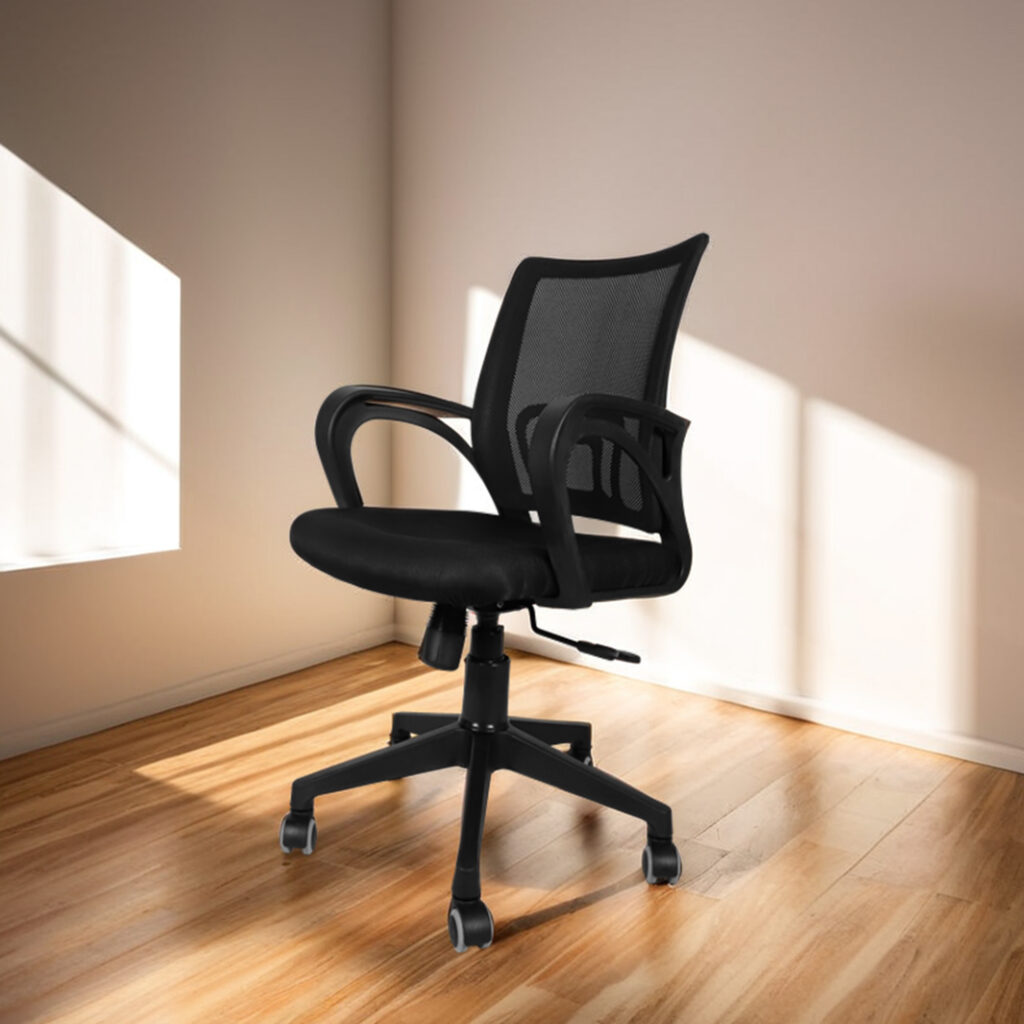
The future advancements with seating evolving on three key themes:
Health – Ergonomic and posture-correct designs will continue to be crucial.
Flexibility – Modular, multi-functional seating will rule common areas.
Sustainability – Environmentally friendly designs will inform future decisions.
From beanbags to boardrooms, the history of seating depicts how society has become increasingly considerate of comfort, design, and experience. From what began to be utilitarian furniture to what is now an expression of identity, and being, seating has evolved over time.
Whether in a coffee shop, an office building, or public place, seating is not merely where one sits anymore—it’s about how they feel, connect, and work. Contemporary seating trends are testament to the reality that furniture has the potential to influence lifestyles, brands, and even business success.