

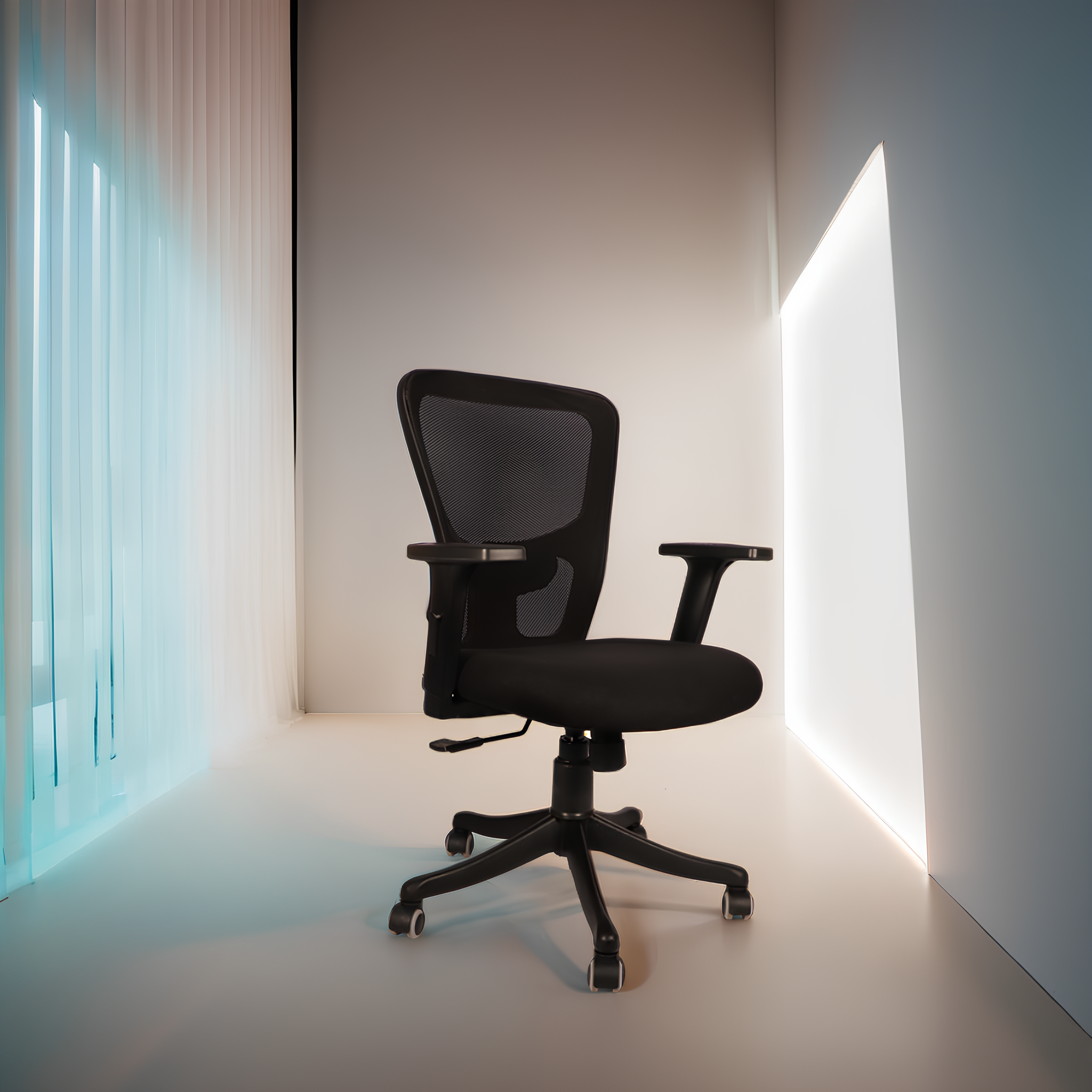
The Function of Armrests in Maximizing Office Comfort

Office chairs in today’s workplace are not just seating systems — they are instruments that have a direct impact on productivity, health, and employee satisfaction. Although there is so much emphasis placed on lumbar support and sitting ergonomics, there is a very important and usually forgotten feature that has an acute function in workplace comfort: the armrest.
Why Armrests Matter
Armrests offer more than a location to rest the arms. They are support mechanisms that reduce stress on the shoulders, neck, and upper back. If workers do not have adequate arm support, they tend to unintentionally slouch forward or put additional weight on the spine, resulting in pain and long-term musculoskeletal problems.
By correctly positioning the arms in relation to the body, armrests both support good posture and fight fatigue while encouraging a natural position. This simple but powerful addition can be the difference between a chair that merely “functions” and one that improves day-to-day comfort.

Armrest Key Advantages
Shoulder and Neck Relief
Armrests relieve shoulder and neck muscle pressure by distributing the weight of the arms. This reduces tension headaches and stiffness, particularly when spent at a desk for many hours.
Posture Support
Modular armrests promote a neutral posture, elbows bent at 90–100 degrees, and aligned with the height of the desk. This minimizes slouching and allows employees to have healthy spine alignment.
Less Wrist and Hand Strain
Properly supported arms indirectly benefit the wrists by holding the arms firm. This comes in handy for individuals who work extensively on keyboards or mice, lessening the chances of repetitive strain injuries like carpal tunnel syndrome.
Increased Productivity
When workers are relieved of discomfort, they tend to concentrate more on assignments. A well-supported chair with substantial armrests can result in sustained concentration time and increased work efficiency.
Tailor-made Comfort
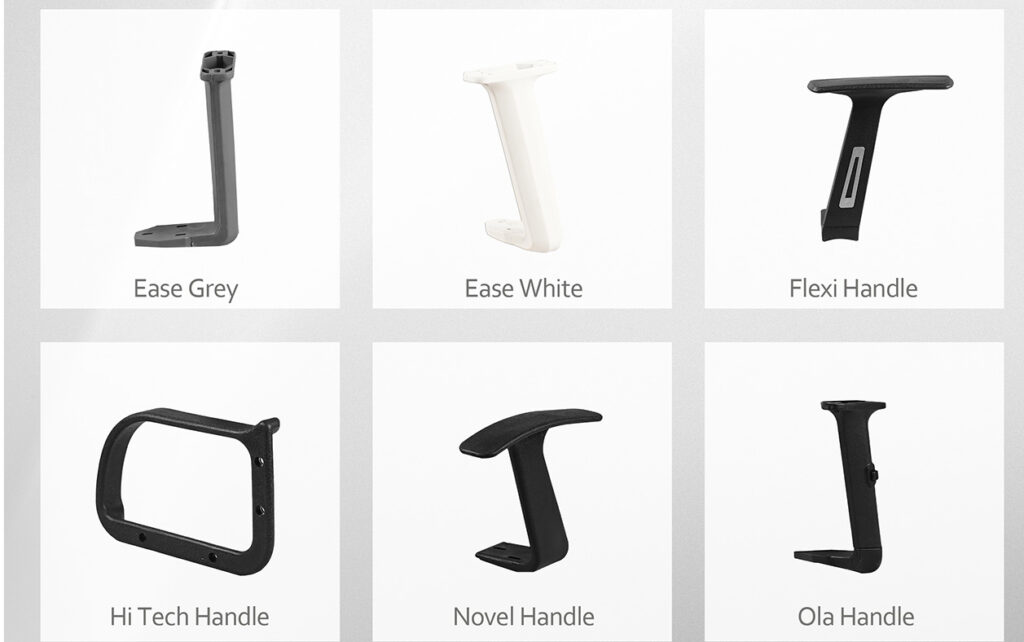
Contemporary office chairs commonly come with movable armrests — height, width, depth, and even angle changes. This flexibility allows for employees of varying body types to customize their sitting experience for optimal comfort.

Armrests and Workspace Integration
The most supportive armrests are also workstation-friendly. For instance, chairs with flip-up or adjustable armrests can be easily tucked under desks for space-saving. Padded armrests, on the other hand, provide an added comfort feature, while contoured shapes follow the natural motion of arms.
Selecting the Right Armrest Design
In selecting office chairs, one has to balance functionality with appearance. The main considerations are:
Adjustability: Height and width adjustment guarantees an ideal fit for various users.
Padding: Padded armrests offer comfort for long-term use.
Material: Strong materials such as polyurethane withstand wear and remain comfortable.
Mobility: Arm mobility is needed for some tasks, so chairs featuring movable or flip-up armrests provide flexibility.