

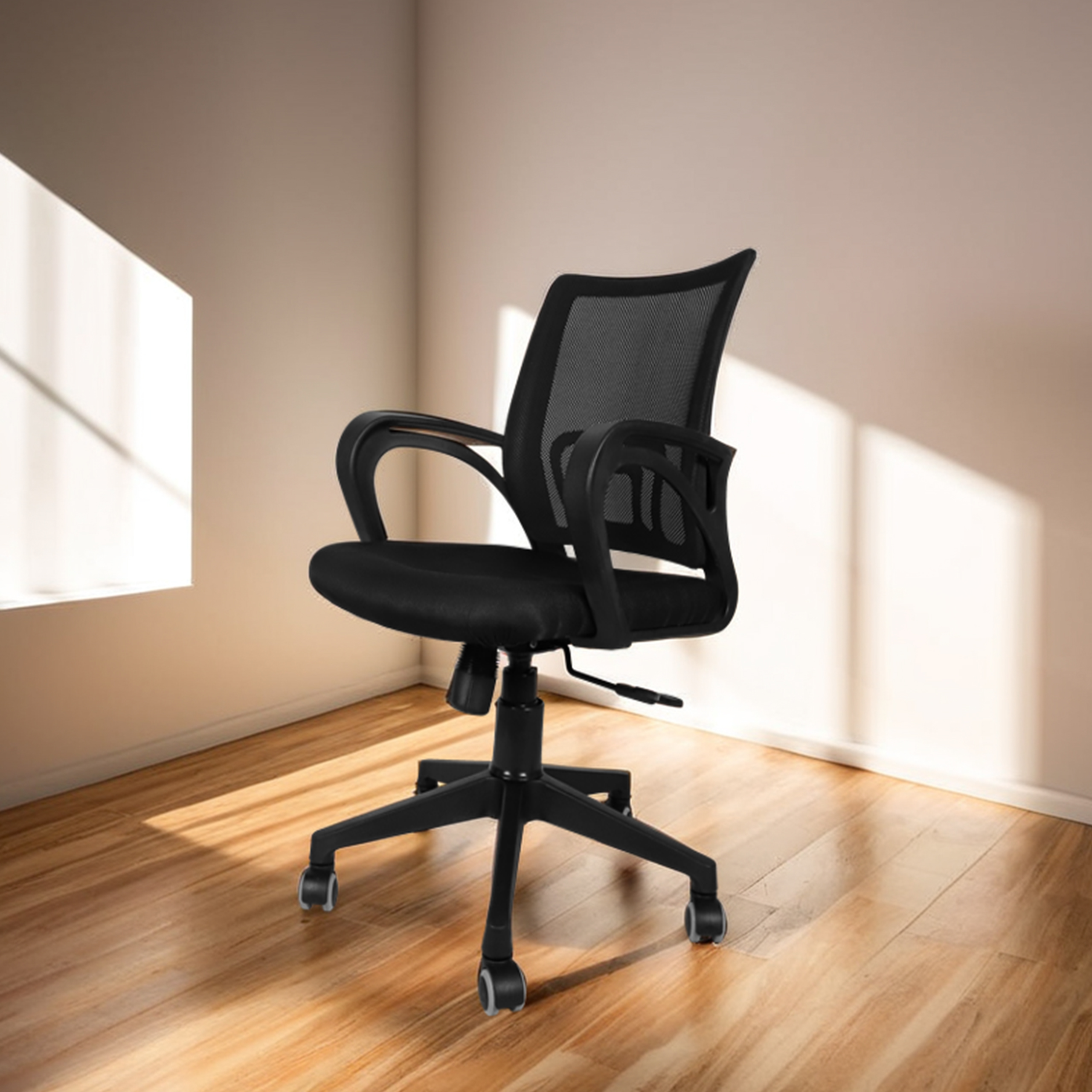
Common Office Chair Issues and How to Prevent Them

One of the usually used furniture pieces in our everyday life is an office chair. You could work from home or spend long hours in a corporate office, but your chair is important a part of your comfort, health, and work efficiency. But, to be every piece of machinery, office chairs can moreover face issues with time. The good thing? Most of these problems can be prevented with a bit of awareness and attention. Let’s discuss the most prevalent office chair issues and how you can prevent them from ruining your working day.
1. Wobbly or Unstable Chair
One of the most annoying issues is when your chair wobbles. This usually occurs because the screws or bolts at the bottom loosen to be a time passes. In a few examples, the chair’s wheelbase or gas lift may be deteriorating.
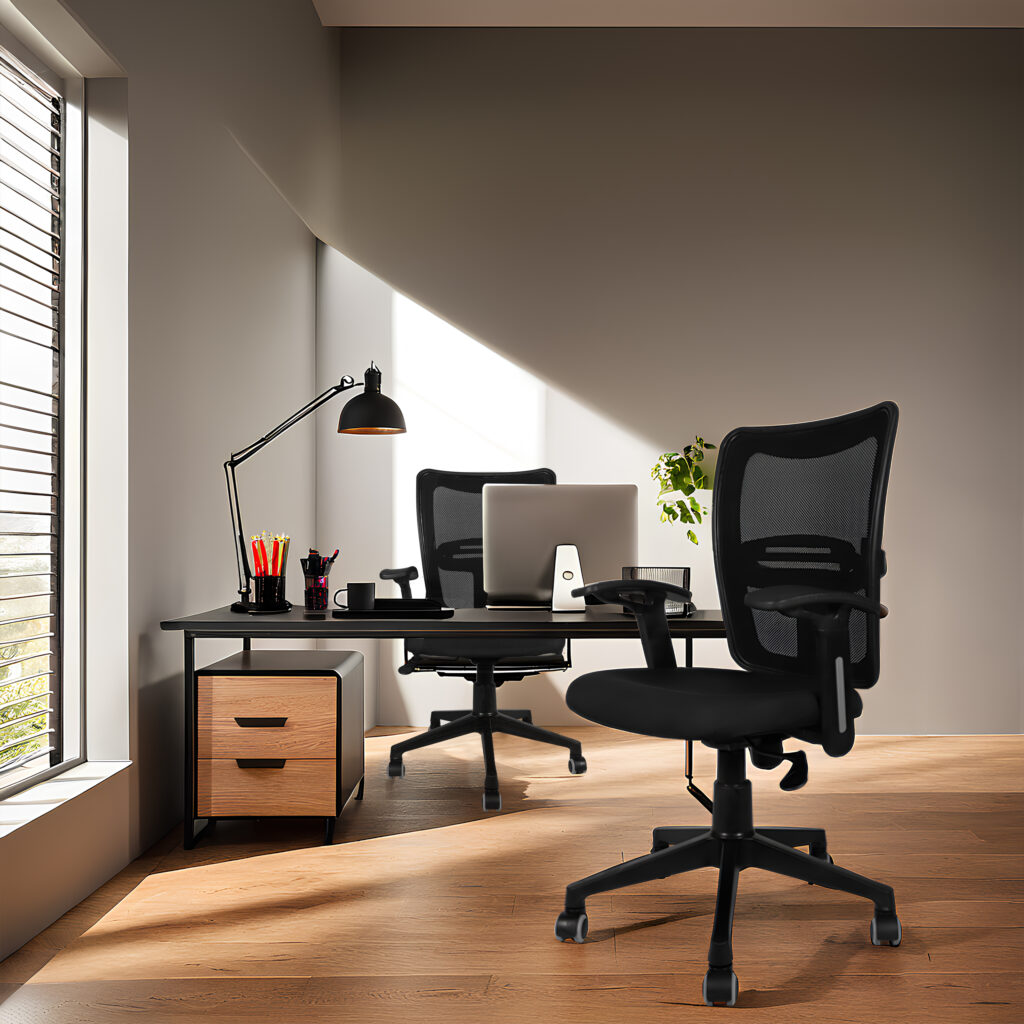
How to prevent it: Check and tighten the screws and bolts every few months. Replace the wheels or foundation when they are damaged. A stable chair not only enhances comfort but moreover ensures safety from accidents.
2. Sinking Chair (Gas Lift Failure)
Have you ever taken part in a chair and usually sunk lower and lower? That’s a visible sign of the gas lift cylinder is malfunctioning. As gas lift regulates height a change, a defective one can render your chair useless.
How to prevent it: Don’t lean or move on your chair to be a bit exerts more pressure on the gas lift. If still, replacing the gas lift is less expensive and easier than purchasing a new chair.
3. Unsupportive Seat Cushion
Chair cushions flatten and lose their support with regular use. Hunching from sitting on a hard or flat pillow gives rise to back pain, hip pain, and poor posture.

How to prevent it: Get a chair with good-quality foam or memory foam padding. If your existing chair is used it already, put in a seat pillow or gel pad to provide moreover comfort.
4. Malfunctioning or Jammed Wheels
Office chair wheels are intended for easy gliding, but hair, dirt, or old casters can cause them to jam or be damaged. This makes your chair difficult to manoeuvre and may even damage your floor.
How to prevent it: Make an effort to keep the wheels clean and free of All of the obstacles. If your casters are faulty, replace them with high-quality wheels appropriate for your flooring (carpet, wood, or tile).
5. Tilt Mechanism Fault
Most chairs have a feature to tilt back, but the tilt mechanism will eventually malfunction. This could result in the chair tilting too far or not recline at all.

How to prevent it: Don’t push on the tilt lever or apply too much pressure. Oil the mechanism and look for loose parts to prolong its lifespan.
6. Poor Ergonomics
Other times the problem isn’t destruction but design. Inadequate back support, armrests, or height a change in chairs can lead to severe long-term illnesses like back pain and poor posture.
How to prevent it: Spend in an ergonomic chair that provide support to your spine, arms, and legs. Set it so it matches the curves of your body rather than having to change your posture to accommodate the chair.
Your office chair doesn’t look like much, but it has a direct impact on your health and productivity. By monitoring these common issues and taking small preventive measures, you can extend the life of your chair and have a kinder day at work. Just remember, a quality chair is not all about sitting—it’s about sitting correctly.