

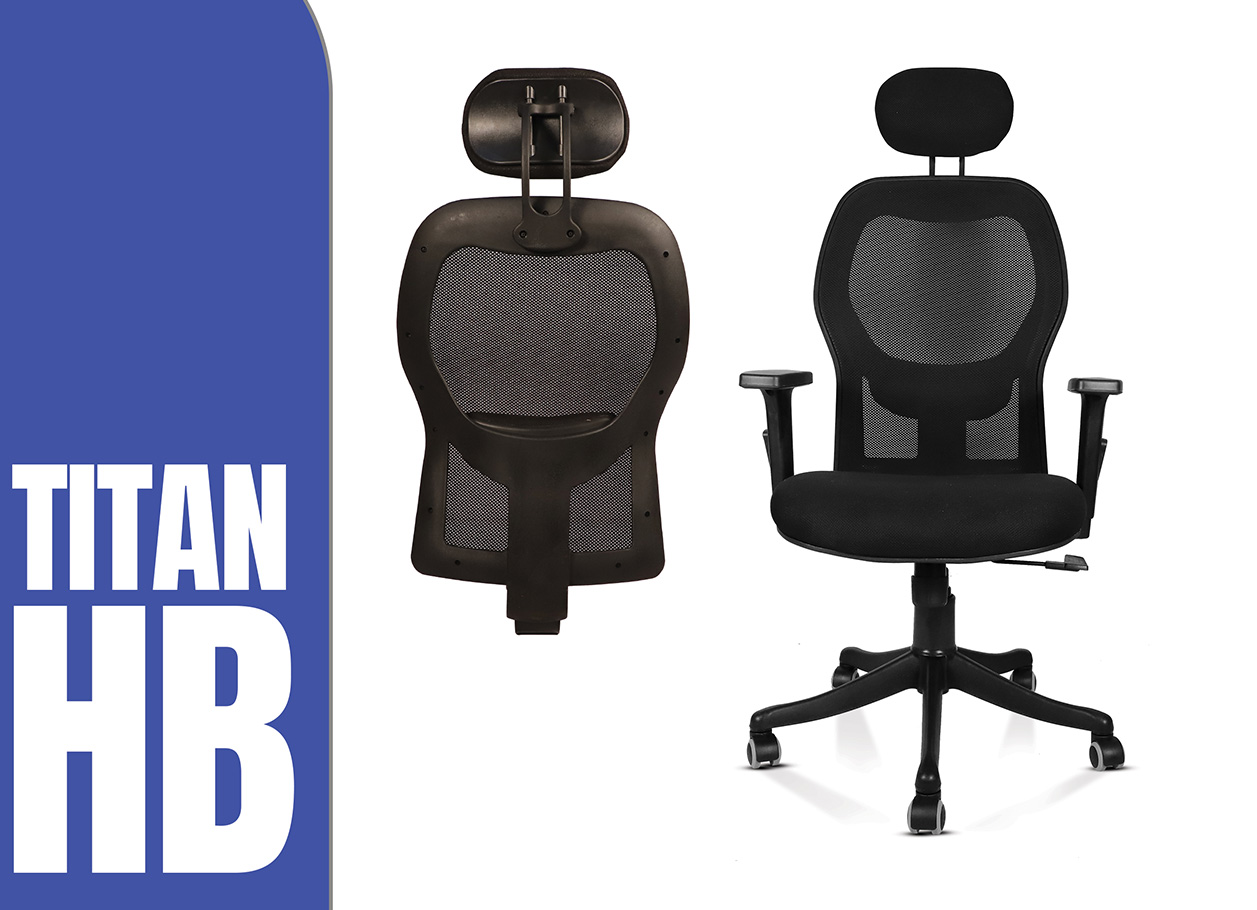
How Ergonomic Chair Mechanisms Enhance Workplace Productivity

In today’s fast-paced, sit-at-desk work environment, employee comfort is not just an amenity—it’s a productivity and well-being booster. Of the many factors of office space design, ergonomic chair mechanisms are necessary in maintaining workers’ health, concentration, & vitality to the workday. By providing individualized support and eliminating physical fatigue, these chairs allows people to thrive in work locations that allow them to do their best.
1. The Relationship Between Ergonomics and Productivity
Inadequate seating results in distress, back pain, and fatigue—problems which decrease focus and allows absenteeism. An ergonomically designed chair allows staff to be in neutral posture, maintaining the natural curve of the spine and reducing pressure on joints and muscles. When employees are comfortable, they can focus more on their work and less on body distress, thereby improving productivity directly.
2. The Major Ergonomic Chair Mechanisms
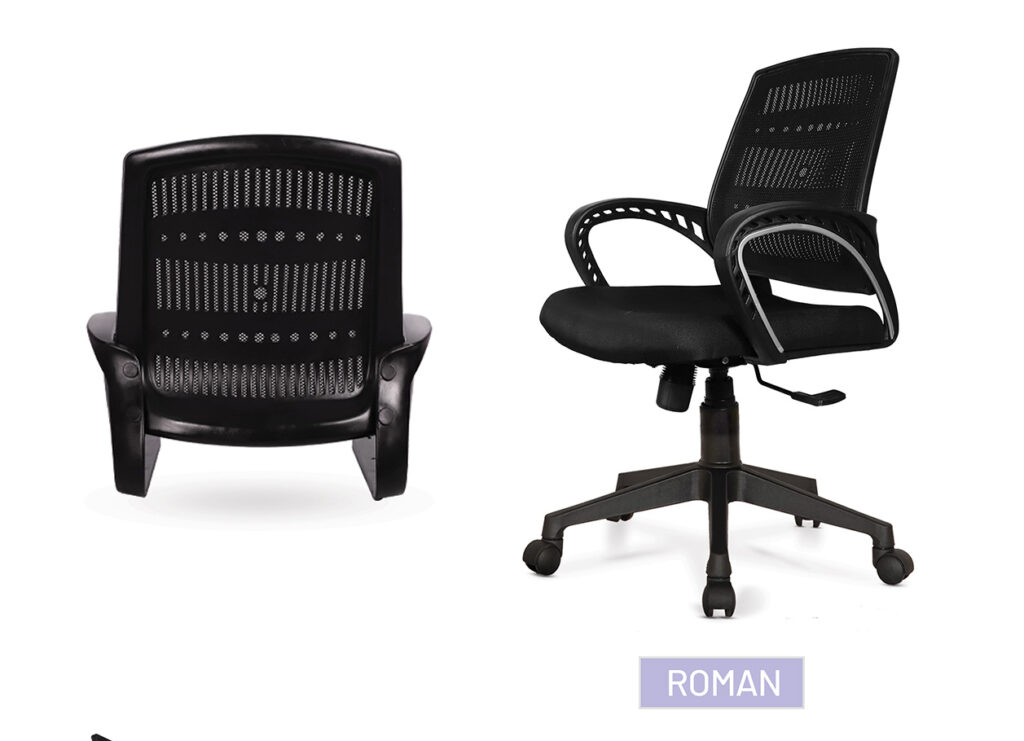
Contemporary ergonomic chairs have built-in adjustable mechanisms that conform to every individual’s body and way of working. The best features are:
Adjustable Seat Height: Ensures feet are flat on the floor, knees at a 90-degree angle, and hips in alignment—less strain on the lower back.
Lumbar Support Adjustment: Maintains the natural S-curve of the spine, stopping slouching and ending chronic back pain.
Tilt and Recline Mechanisms: Dynamic recline improved users to recline occasionally, reducing spinal pressure and improved blood flow. Synchro-tilt mechanisms change the seat and backrest in tandem, providing good posture even when reclined.
Seat Depth Adjustment: Supports users of varying heights so that the end of the seat does not bear down into the back of the knees and limit blood flow.
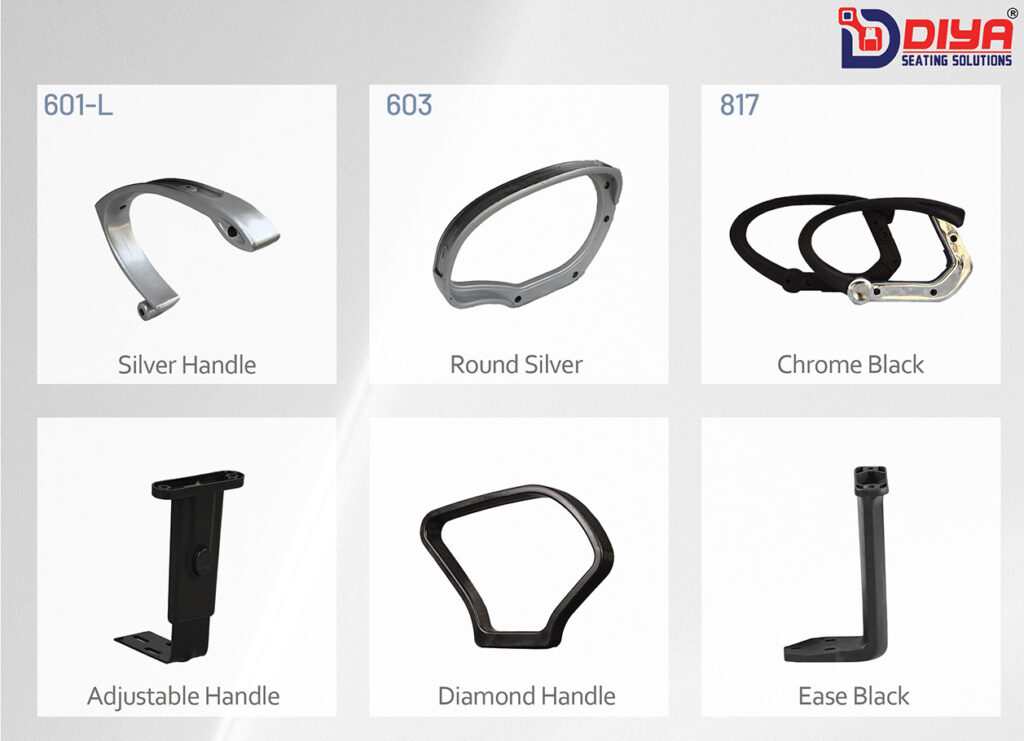
Armrest Adjustability: The ability to change armrests ensures that workers have relaxed shoulders and minimize tension in the upper back and neck.
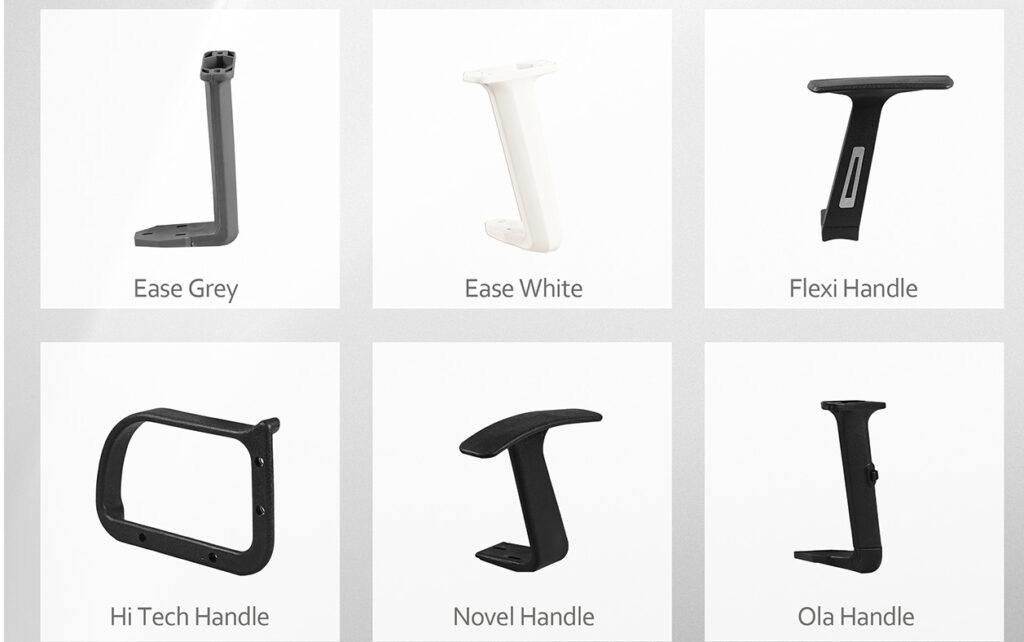
These features operate in concert to provide a completely personalized seating experience, improved workers to keep comfortable even after working long hours.
3. Minimizing Fatigue and Discomfort
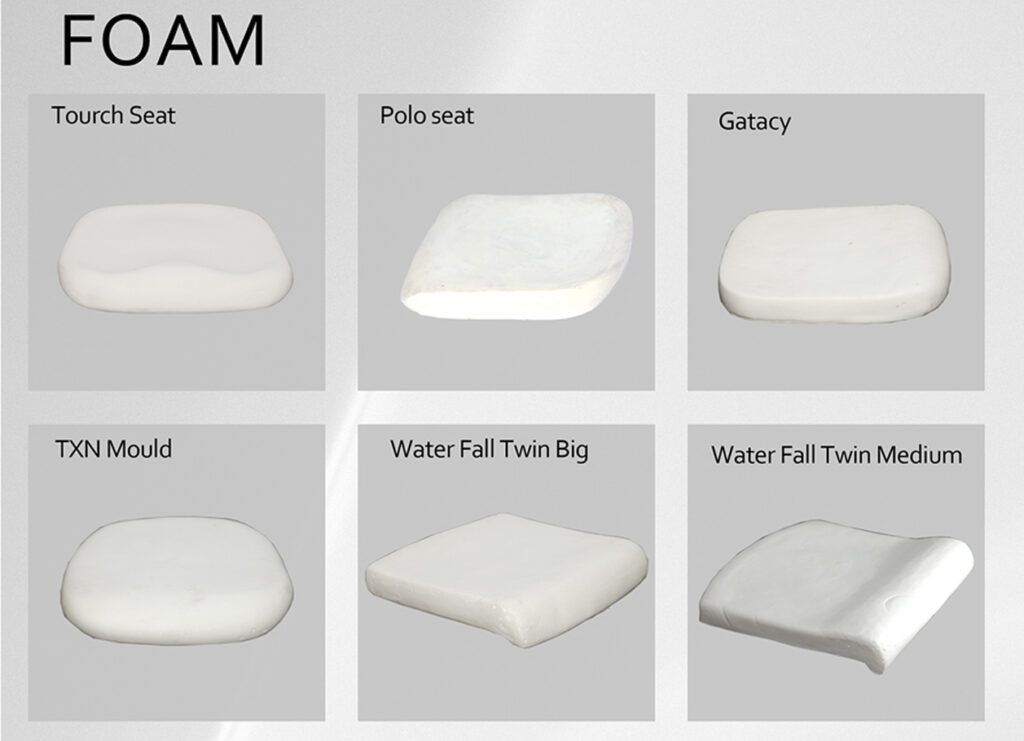
Extended sitting without proper support can contribute to muscle strain, stiffness, and compromised flow. Ergonomic systems promote minute movement and postural changes, keeping muscles active and lowering the option of repetitive strain injuries. Reduced distress means fewer relief breaks and more concerted attention to work.
4. Facilitating Mental Well-Being
Comfortable seating is not only about physical well-being—it has a direct impact on mental well-being. Workers who feel supported and free from pain tend to have lower stress levels and better spirits, creating a healthy work environment. This, in turn, increases creativity and improves collaboration.
5. Long-Term Cost Savings for Businesses
High-quality ergonomic chair investments minimize work location injury and absenteeism due to musculoskeletal disorders. Reduced health problems translate into reduced healthcare costs and less lost time, generating long-term cost savings that exceed first investment.
6. Fostering an Active Work Culture
Advanced ergonomic chairs in some examples include fluid gears. that encourage micro-movements, like tilting of the seat and flexible backrests. These encourage one to change positions usually, reproducing the natural body movement and aiding in fighting the ill effects of excessive sitting.