

The Key to Low-Maintenance Seating in Heavy Traffic Zones

From busy facilities at airport & packed hospital waiting areas to lively cafés & costly school campuses, heavy-use public Places need to have seats. that can absorb heavy traffic without perpetual maintenance. Choosing the appropriate materials, layout, and maintenance practices not only reduces repair costs, but further ensures longevity and comfort & style in the long run. Let’s take a closer look at the key parts that make seating low-maintenance without compromising on style and strength.
1. Select Durable, Easy-to-Clean Materials
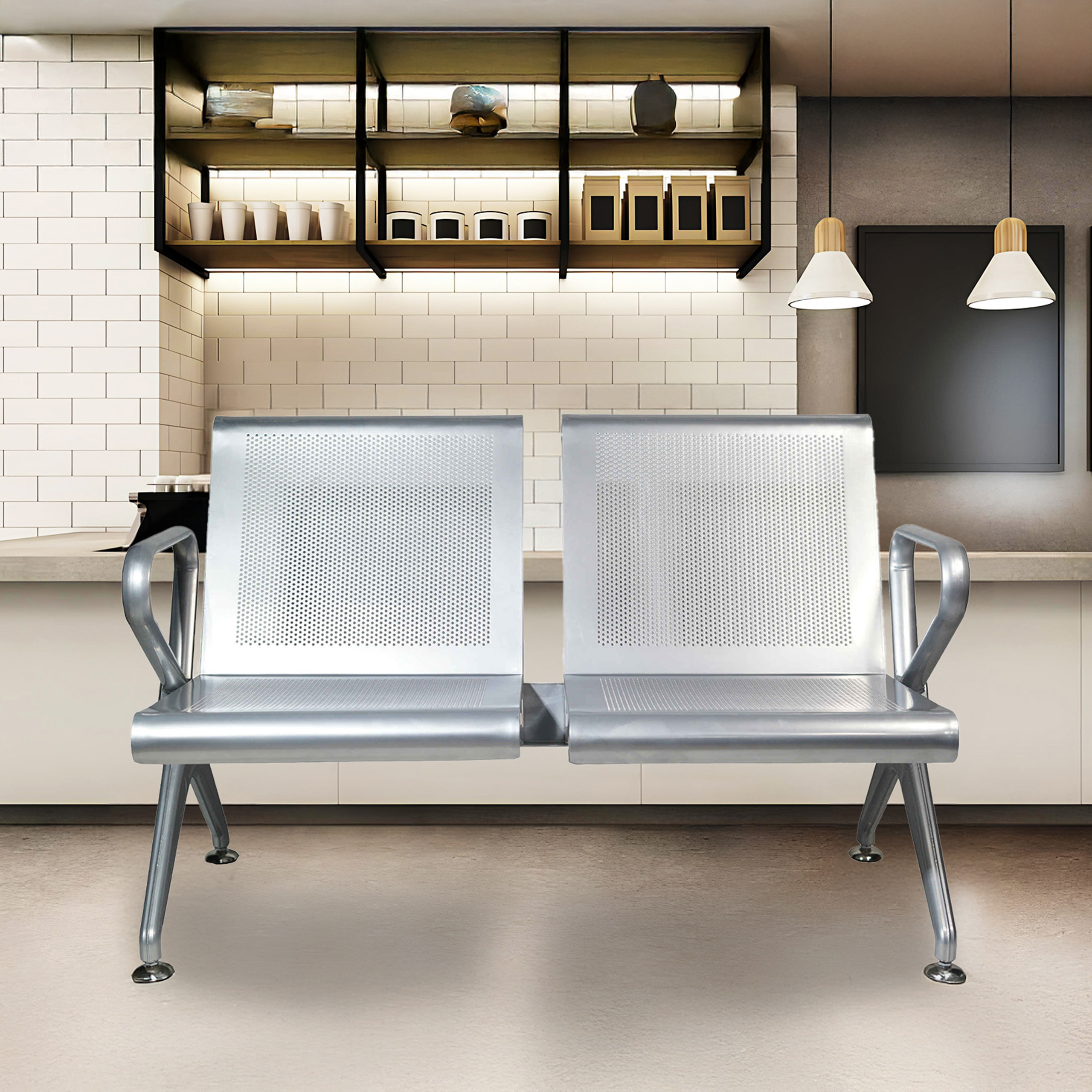
Low-maintenance seating starts with the right materials. Powder-coated steel and aluminum are good metals to use, like they resist scratches, stains, and works superbly. In indoor applications, high-pressure laminates and treated woods are great options for creating a warm look while being able to withstand every day. In upholstered furniture, performance fabrics—especially those with stain-resistant treatments—allow spills and dirt to be cleaned more easily. Vinyl and faux leather continue to be in favor for the quick part of cleaning.
2. Opt for Ergonomic but Simple Forms
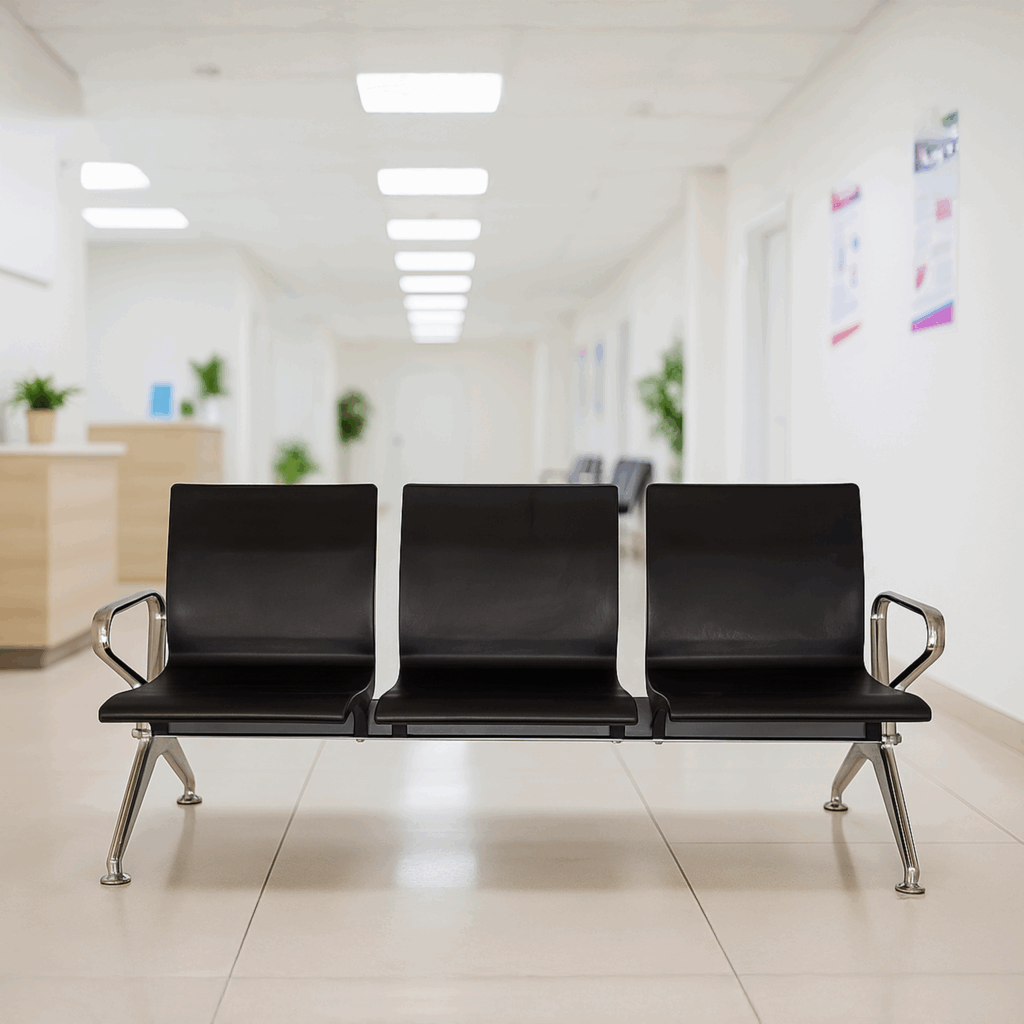
Rationally designed but convoluted forms with complicated grooves or deep creases may look dramatic, but they allow dirt and grime to gather. neat lines & simple profiles cut down on cleaning time and eliminate pesky areas of buildup. Washable pillow or panel removable modular seating systems further make frequent in-depth cleaning and repair a breeze. Ergonomics are still important: seating should stay comfortable over the long-term while still maintaining a sleek shape.
3. Spend money on good layout and protective coatings
Protective coatings can be what separates furniture that colors after a year from seating that seems a brand new for ten. UV-blocking coverings avoid fading outside, while water- and scratch-blocking layout extends the life of wood and composite materials. Anti-microbial surface treatments are especially beneficial in hospitals or food-service applications, minimizing the potential for bacterial growth and reducing the necessity of aggressive cleaning chemicals.

4. Make Maintenance Access Easy
Intelligent design is necessary to maintaining low costs for maintenance. Detachable cover seats, upgradable cushions, or modular designs allows personnel to make simple repairs or updates without new unit replacements. A bench with removable slats, for example, can have one faulty part replaced instead of discarding the entire seat.
5. Build a Reasonable Maintenance Schedule

Even the most resilient seating can use a carefully thought-out maintenance schedule. Regular wiping, regular inspection of joints and fasteners, and regular touch-ups on protective coatings will increase the lifespan of the furniture. Selecting furniture that can fit into such routines—like materials that can be cleaned with mild detergents—will make the process faster & less tiring.
6. Balance Aesthetics with Longevity
Low-maintenance does not mean sacrificing visual appeal. Today’s manufacturers gives a broad variety of colors, textures, and layouts in resilient materials, making it possible to maintain a sophisticated look while meeting the demands of high-use environments.