
OEM vs. Universal Chair Parts: What’s the Difference?

When it comes to maintaining or repairing chairs, either for office, commercial, or institutional use—one important decision is the real life that to choose OEM (Original Equipment Manufacturer) parts or universal replacements. While both options serve a purpose, they differ in fit, quality, price, and reliability.
Let’s explore how each type of part functions and which could be the better choice for your specific needs.
What Are OEM Chair Parts?
OEM parts can come straight from the original chair maker—or sometimes from vendors who aren’t officially authorized. These elements are built to match the requirements of the chair model they’re intended for.
Advantages of OEM Parts:
Perfect Fit: OEM parts are designed to fit your chair accurately, ensuring a seamless replacement.
Consistent Quality: Since they match the original part, they maintain the chair’s performance and safety standards.
Warranty Protection: Using OEM parts often keeps your warranty intact.
With OEM parts, you’re getting the same trusted quality your original brand is known for.
Disadvantages of OEM Parts:
Higher Cost: OEM Usually, parts cost more than universal alternatives.
Limited Availability: Older or discontinued models may have fewer OEM parts in use.
Longer Lead Times: Ordering from the original manufacturer may involve waiting longer for delivery.
What Are Universal Chair Parts?
Universal parts are designed to work with a broad variety of chairs from different manufacturers. These are usually manufactured in large quantities. and may come in standardized sizes.
Advantages of Universal Parts:
Cost-Effective: Universal parts are often cheaper than OEM alternatives.
Easy to Find: Many universal parts are available online or through local vendors.
Quick Fixes: Great for non-technical repairs, such to be replacing a caster or gas lift.
Disadvantages of Universal Parts:
Fit May Vary: These parts may not align perfectly with your chair’s original design.
Inconsistent Quality: Third-party manufacturers vary in standards and materials.
Warranty Risk: Using non-OEM parts would nullify your manufacturer’s warranty.
When to Choose OEM Parts
OEM parts are ideal when:
Your chair is still under manufacturer warranty.
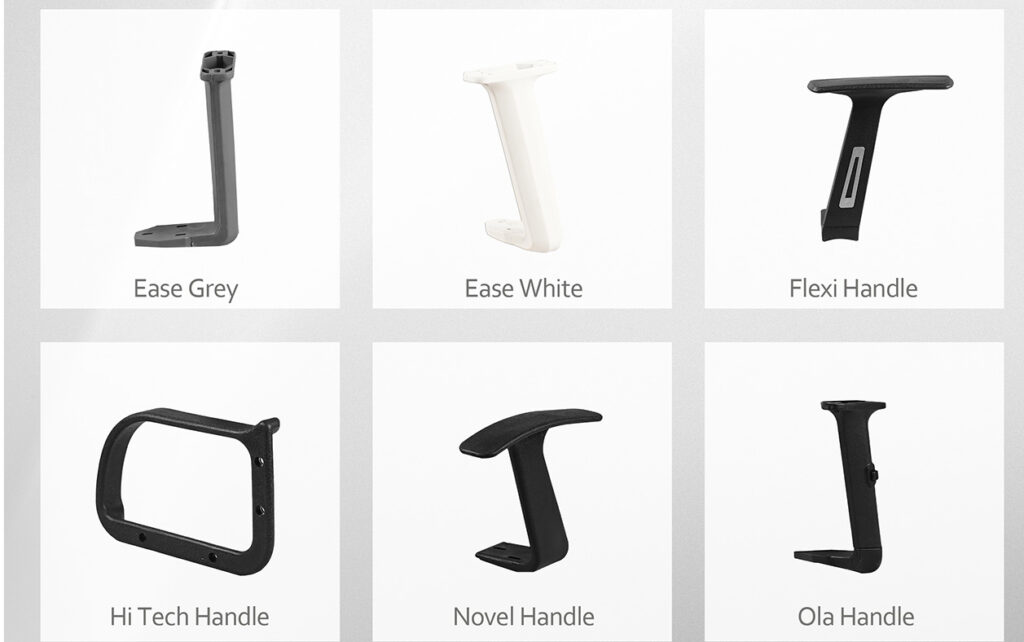
You need a substitute for a part with distinct indicators or mechanisms.
You need performance that is assured.,especially in commercial or high-use environments.
You’re managing multiple units and want consistent results of maintenance.
When Universal Parts Work Best
Universal parts are a practical option when
The chair is no longer under warranty
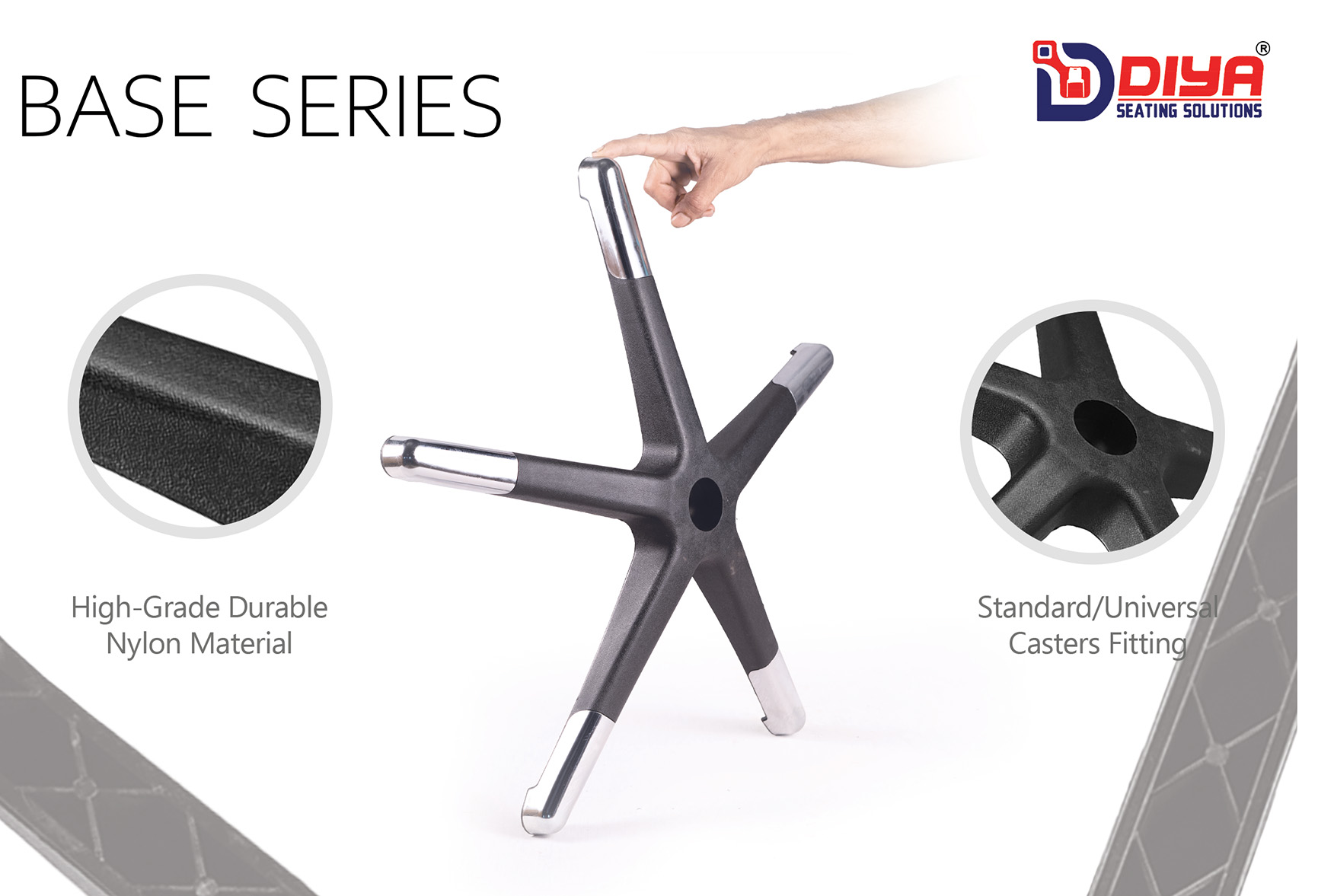
Swapping out parts like wheels or base plates? If you’re on a budget or tackling a DIY project, this is a smart move.
Speed of repair is a higher priority than brand match.
Key Considerations Before Buying
Before when buying a replacement into Making use of these the following
Check Compatibility: Determine the and compare specifications with the original part.
Understand Load Ratings: Make sure universal parts meet the weight and performance requirements.
Assess Use Case: For office chairs in high-use settings, quality and fit matter more.
Review Warranty Terms: If coverage still applies, stick to OEM parts.
Deciding between OEM and universal chair parts depends on your priorities—whether it’s cost, precision, ease of installation, or warranty support. OEM parts deliver exact fit and reliability. quality; universal parts offer versatility and budget-friendly options.
Using these criteria carefully, you can make a wise, well-informed choice that lengthens the lifespan of your chairs and provides ongoing comfort and reliability.