

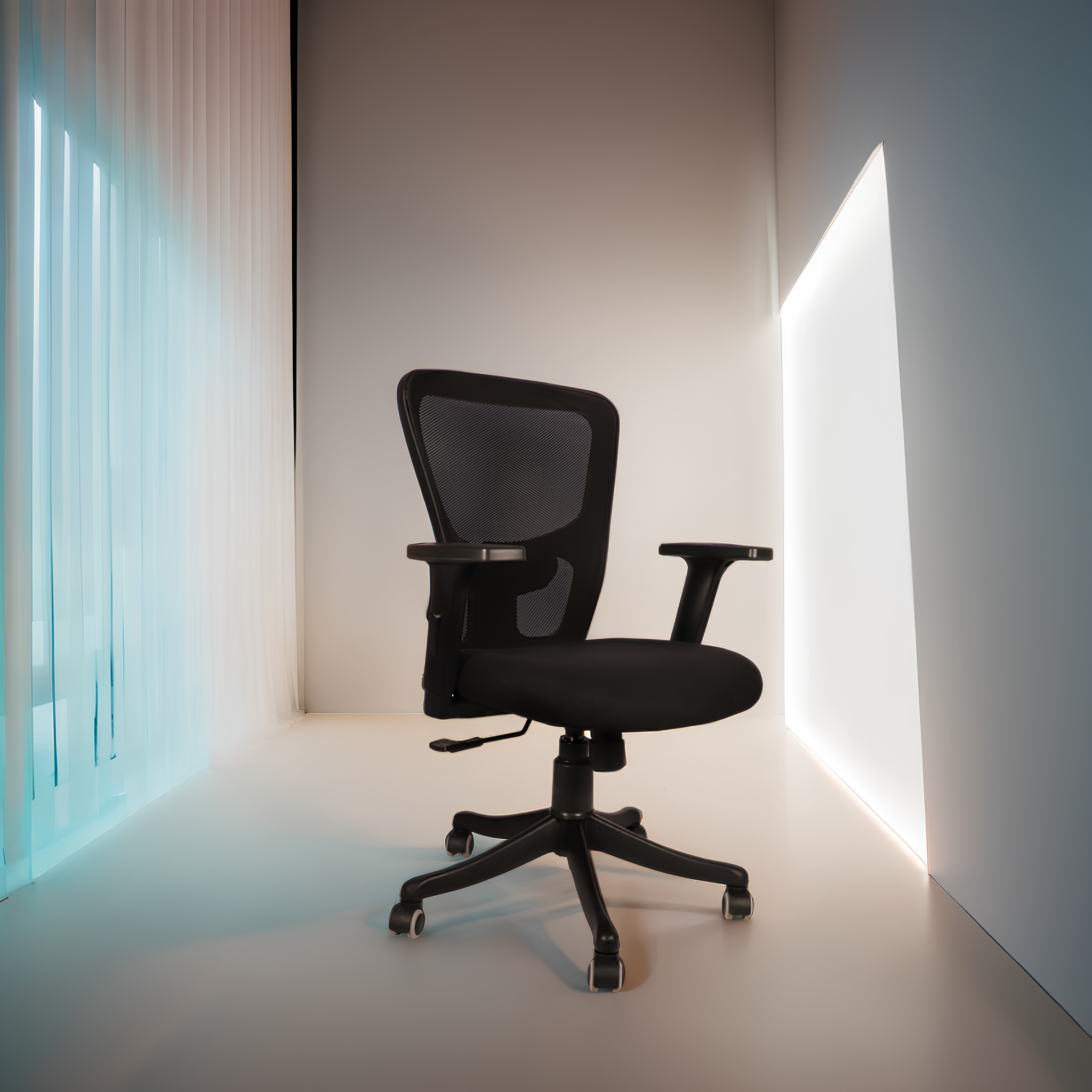
The Science Behind Ergonomic Seating

Have you ever awakened up from your chair after a long day of work and felt your back hurt or your shoulders stiffen? You’re not alone! Most of us spend hours a day sitting—at work, in the car, or on the couch—and the way in which we sit determines how we feel. That’s where ergonomic seating enters.
But what is this “ergonomic” anyway, and why does it matter? Let’s break the science of ergonomic seating into simple everyday language.
What Does “Ergonomic” Mean?
In brief, ergonomics is the science of making things fit the people who use them.
When we’re talking about chairs, ergonomic design is creating a seat that accommodates your body’s natural shape and movements. The aim is to make you comfortable, minimize strain, and prevent aches, pains, and injuries in the long run.

Why Ordinary Chairs Aren’t Enough
A usually chair could seem to be okay at first, but if it does not fit comfortably around your back, or if it is too high, too low, or too firm, it can lead to issues such as:
Back pain
Stiffness in the neck and shoulders
Fatigued legs or circulatory problems
Poor posture that can result in long-term health complications
Most people are not even aware their chair is what makes them sore at the end of the day!
How Ergonomic Chairs Help
Ergonomic seating is made to fix these issues by cushioning your body in the appropriate place. Here’s how:

1. Correct Back Support
An ergonomic chair’s backrest is designed to support good posture by conforming to the natural S-shape of the spine. This keeps your back upright and prevents slouching, which can lead to back pain.
2. Adjustable Height
We’re all varying heights, so ergonomic chairs allow you to modify the seat height. Your feet must be flat on the floor, with your knees at a 90-degree angle. This improves flow and removes pressure from your thighs.
3. Seat Depth and Cushioning
A comfortable ergonomic chair has a seat that is deep enough to pillow your thighs but not so deep that it digs into the back of your knees. Soft, supportive cushions ensure you’re comfortable even during long hours of sitting.
4. Armrests

Armrests reduce pressure on your neck and shoulders. Most ergonomic chairs have adjustable armrests so that you can position them at the perfect height while you are typing, reading, or comfortable.
5. Movement and Swivel
Most ergonomic chairs allow you to lean back a bit, swivel, or rock. The slight movement prevents stiffness and keeps your body from feeling like it is locked in one position.
A Healthier Way to Sit
The ergonomic seating science is all about keeping you healthy and comfortable. By selecting a chair that conforms to your body and provides the proper stance, you can minimize pain, feel less fatigued, and retain your concentration for longer.
Next time you purchase a chair—especially for work or Research—take ergonomics measures. will be grateful!