


Comfort in the Queue: Why Ergonomics Are Important in Waiting Chair Design

In medical facilities, airports, banks, and service centres, there is a shared experience that we all can relate to—waiting. Whether it’s for a medical appointment or a delayed flight, the way we are feeling during that wait can have a important influence on our mood, patience, and even health. Although great emphasis is placed on reducing wait times, the comfort of waiting itself is often an afterthought. That is where ergonomic chair design comes in.
The Case for Ergonomics in Waiting Areas
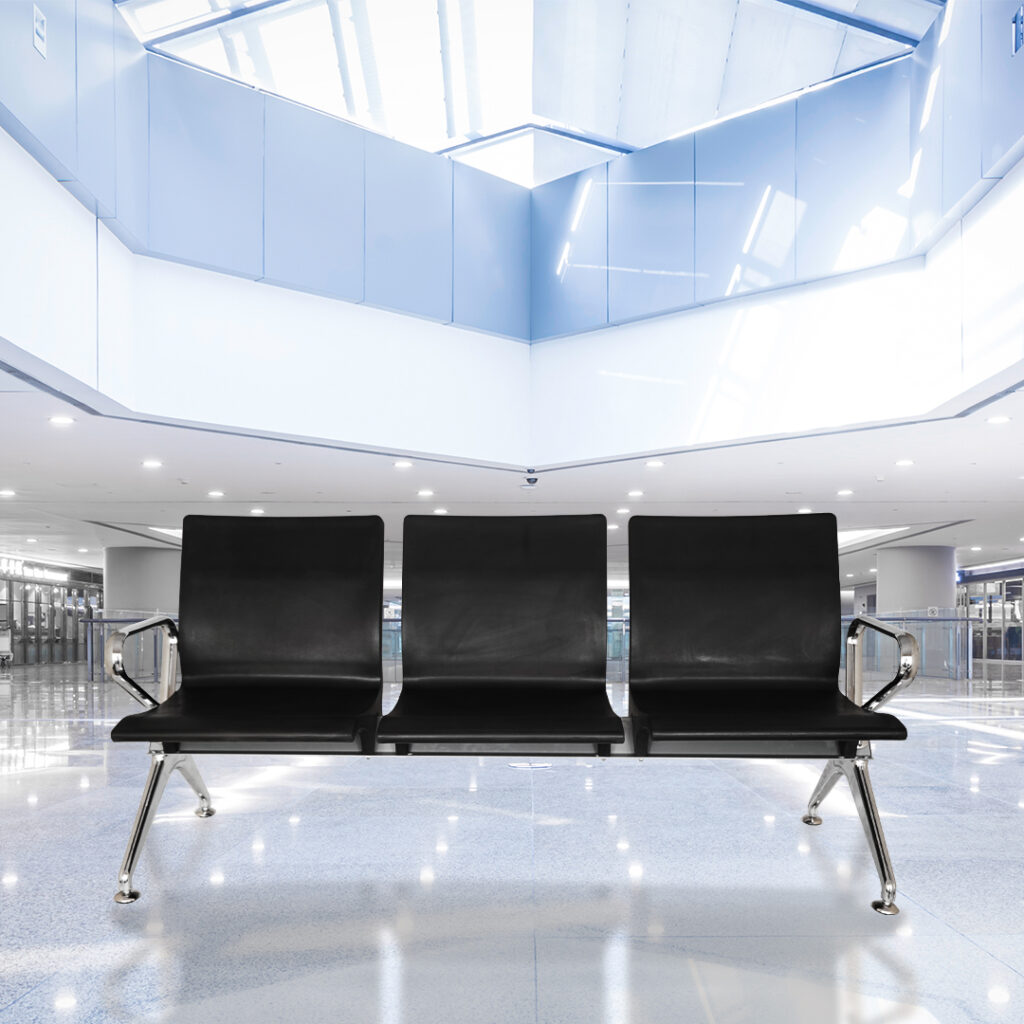
Waiting chairs are usually equated with inflexible, unpleasant designs— stiff backs, and ignore for posture. But people do not sit on these chairs for only a minute or two; they tend to stay seated for prolonged periods. Inadequate seating can cause more than temporary irritation. With time, slumped posture, indicates of pressure, and insufficient back support can contribute to fatigue, stiffness, and even long-term pain.
Ergonomics is not all about office chairs—it’s human-cantered design. Chairs that encourage natural posture, ease strain, and circulatory support may completely redefine the waiting process. This is especially important in healthcare settings, where caregivers and patients are already experiencing tension.
What Makes an Ergonomic Waiting Chair?
A comfy, supportive waiting chair isn’t just a nice-to-have—it’s something we all need.
Here are a few smart design options that really change the game:
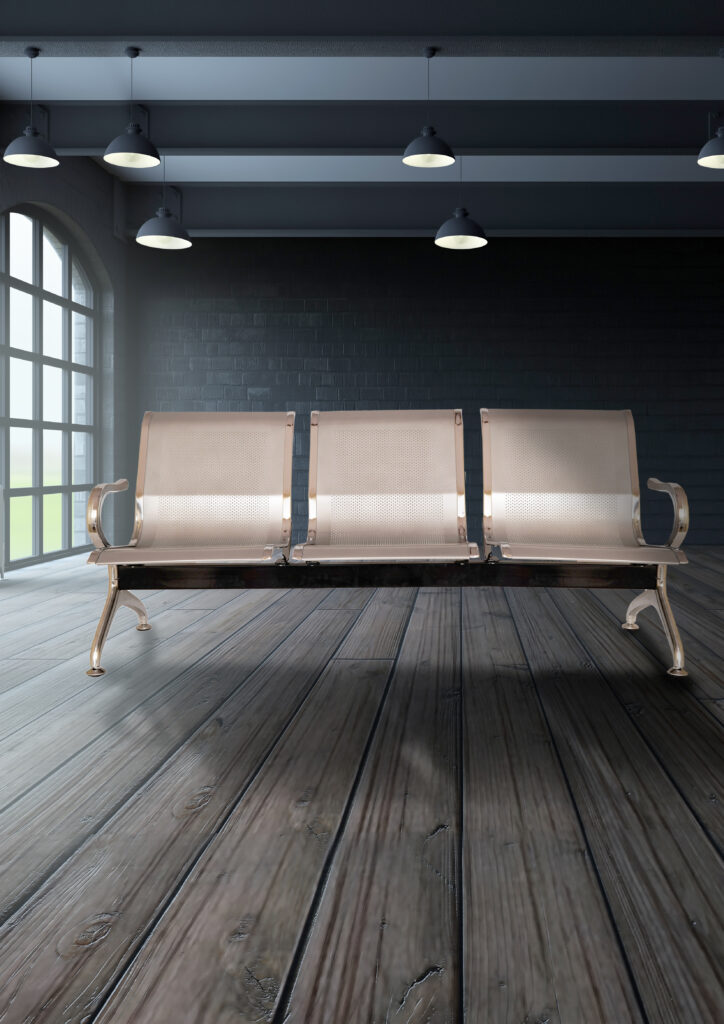
Supportive chairs help your spine stay in its natural shape, which can stop back pain before it starts.
Seat Depth and Angle: Too-deep seats can restrict blood flow, while an improper angle can lead to users leaning forward.
Armrests: They relieve shoulder strain and facilitate sitting and standing more easily, especially for older people.
Cushions that are soft However, supportive, combined with breathable fabrics, help you stay cool and comfortable while seated.
Even minor Improvements to the design can revolutionize the user meet reducing, modifying posture, fidgeting, and making people feel more nurtured, before they’ve even been served.
Psychological Impacts of Physical Comfort
Relaxed seating accomplishes more than avoiding It improves emotional contentment while causing physical distress. A person who is physically comfortable is Moreover, more apt to stay patient and relaxed in the face of delay. On the other hand, Uncomfortable rises anxiety, frustration, and subjective wait time.
This is especially crucial in stressful settings such to be clinics or government buildings, where tensions may already be running high. When a space is well-designed and the seating is comfortable, it shows people that their time and comfort matter—helping them feel more relaxed and valued.
Inclusive Design for All
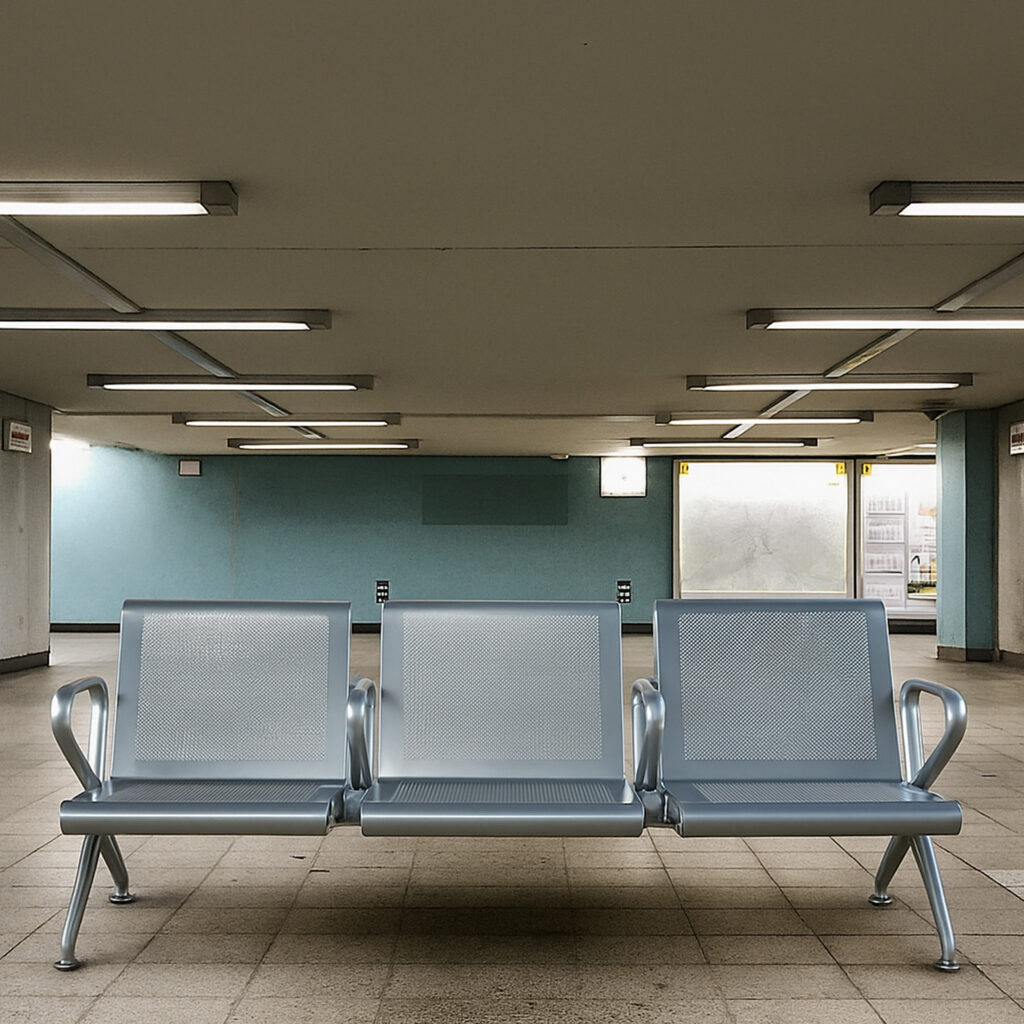
In addition, contemporary ergonomic design places more focus on inclusiveness. Chairs need to work for people of all shapes, ages, and physical capabilities.
These include high seat options for elderly persons, wide-arm chairs for improved help, and long-lasting materials that are easy to clean and repair in public areas.
Waiting sometimes cannot be helped—but misery doesn’t have to be a part of the process. It is not a matter of style or indulgence to put money into ergonomic waiting chair design; it is a dedication to human health. In a crowded airport waiting room or walked hospital hallway, a well-designed chair says a lot about how far A company is willing to go to care for its constituents.
Comfort in the queue isn’t just possible—it should be the norm .