

Balancing Form and Function in Public Seating

Public seating does more then provide a place to sit—it determines how people engage with an environment. In airports, libraries, hospitals, parks, and malls, seating decisions by designers and facilities managers have the ability In order to shape experience, comfort, and even behaviour. Getting the formula right between form (the look of the seating) and function (how effectively it performs) is critical to designing environments that are both beautiful and effective.
Why Public Seating Matters
Public seating presents a special problem: it has to accommodate an equally a wide variety of users with varying requirements and yet integrate into its surroundings. It is not like office or personal chairs, which need only worry about durability, ease of use, safety, universal comfort, and maintenance. They to be assist set the tone and character of the space—people do comment when a bench or The seat looks old., unfriendly, or out of place.
Function First: The Cornerstone of Intelligent Seating
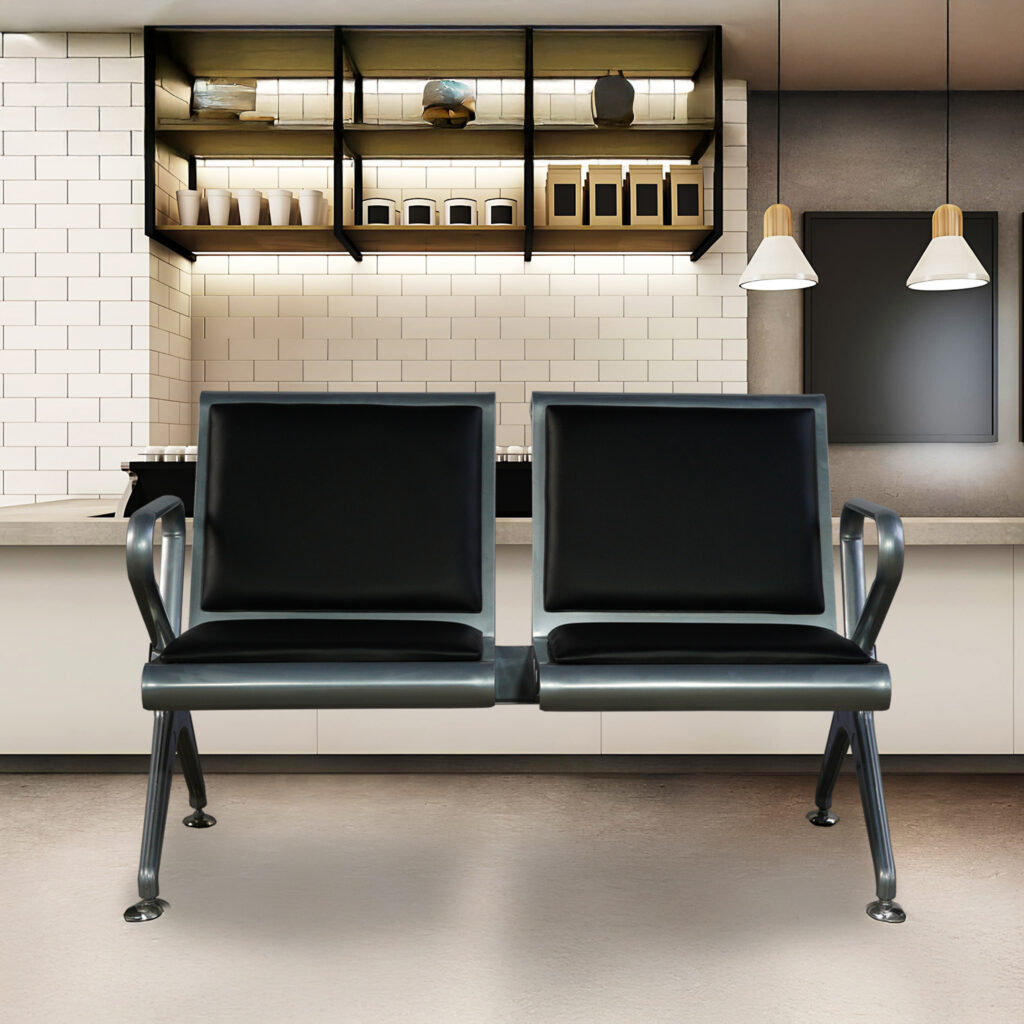
While the look of public seating is important, it can never be sacrificed at the cost of functionality. This is what excellent functional design comprises:
1. Ergonomics
Seats must be comfortable enough for users to use without causing any even after long waiting periods. Proper back support, seat depth, and armrests make a big difference in posture and comfort.
2. Durability
Public areas are frequented. Chairs have to withstand continuous use and random abuse. Materials such to be powder-coated metal, treated wood, high-impact plastic, or reinforced fabric assist in prolonging the product’s lifespan.
3. Accessibility
Seating in public spaces must work for people of every age and ability level.
. Such inclusive features to be suitable seat height (around 17–19 inches), armrests for leverage, and ample space to make room for wheelchairs. Universal design is no luxury—it’s a prerequisite.
4. Safety and Maintenance
Seating in public areas should have stable, with legs with smooth , and fire-retardant or vandal-resistant materials. Additionally, ease of cleaning is . Designs with fewer crevices and easy-to-wipe surfaces reduce maintenance efforts and improve hygiene.
Form: The Language of Design
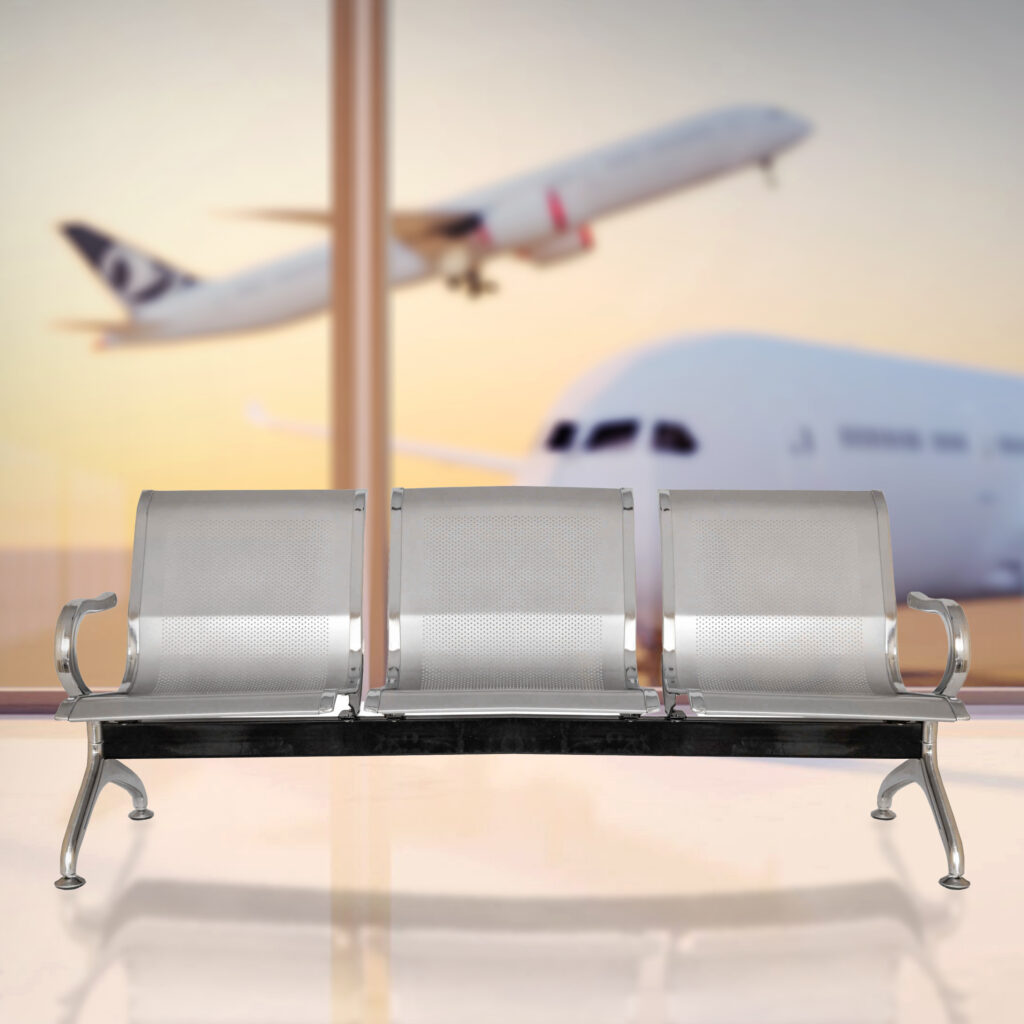
Function keeps seating useful—form makes it meaningful. Design is the silent communicator that informs people, r a space is relaxing, formal, welcoming, or efficient.
1. Material and Finish Choices
Wood, metal, leather, fabric, plastic—each has a distinct visual language. Mirrored stainless steel able to communicate contemporary professionalism, with wood tones that are friendly and natural.
2. Colour and Visual Flow
Neutral colours can foster calm, to be to strong colours charge a space. Matching colours connect the seating to the room’s design, making everything look consistent and well thought out.
3. Cultural and Contextual Sensibility
Designs must make room for the local environment or culture. in a museum, For For it may be minimalist in sophistication, to be to children’s hospital seating can make use of curved and bright, cheerful colours to keep the space safe and inviting.
4. Modularity and Flexibility
Additionally, Form includes layout. flexibility in usage. Modular seating accommodates configurations that accommodate different groups. sizes, events, or crowd patterns. This adaptability is paramount in transportation centres or social centres.
Finding the Balance
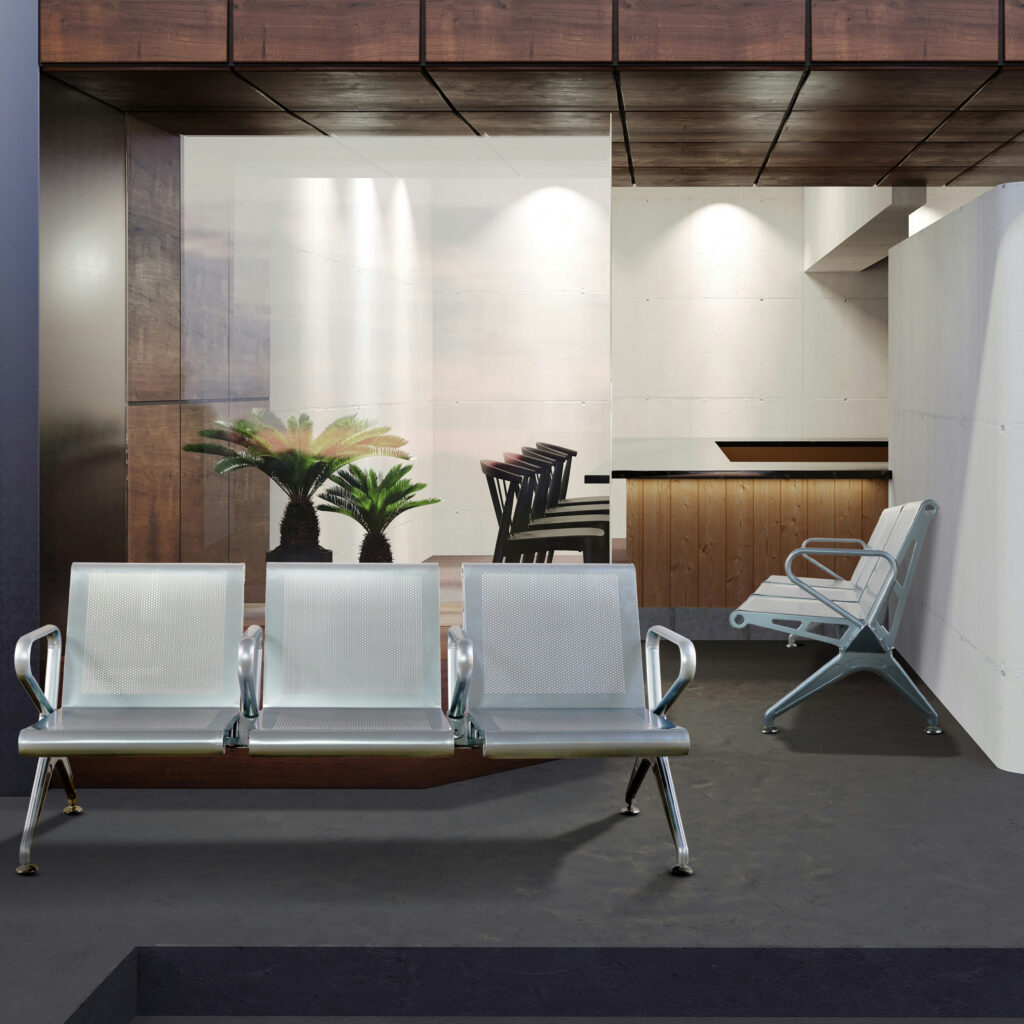
The best public seating finds a fluid balance of form and function. Take the of an airport waiting room. The chairs have to be durable and comfortable over extended periods, easy to clean, bolted for security, and placed with enough space for privacy or conversation. But Additionally, they must fit the modern look of the airport and not dominate the region’s appearance.
In parks, seats should harmonize with nature but still be resistant to the elements. In hospitals, it must be calming, sanitary, and supportive. Every environment requires a different equilibrium—but ignoring either form or function results in bad user experience.
Sustainability: A Third Dimension
Over the past few years, sustainability has been an crucial element in both look and function. recyclable parts, low-VOC coatings, and sustainable materials are all the rage now. Clever design to be reduces the amount of waste created during production and makes the product repairable or refurbish able rather than expendable.