

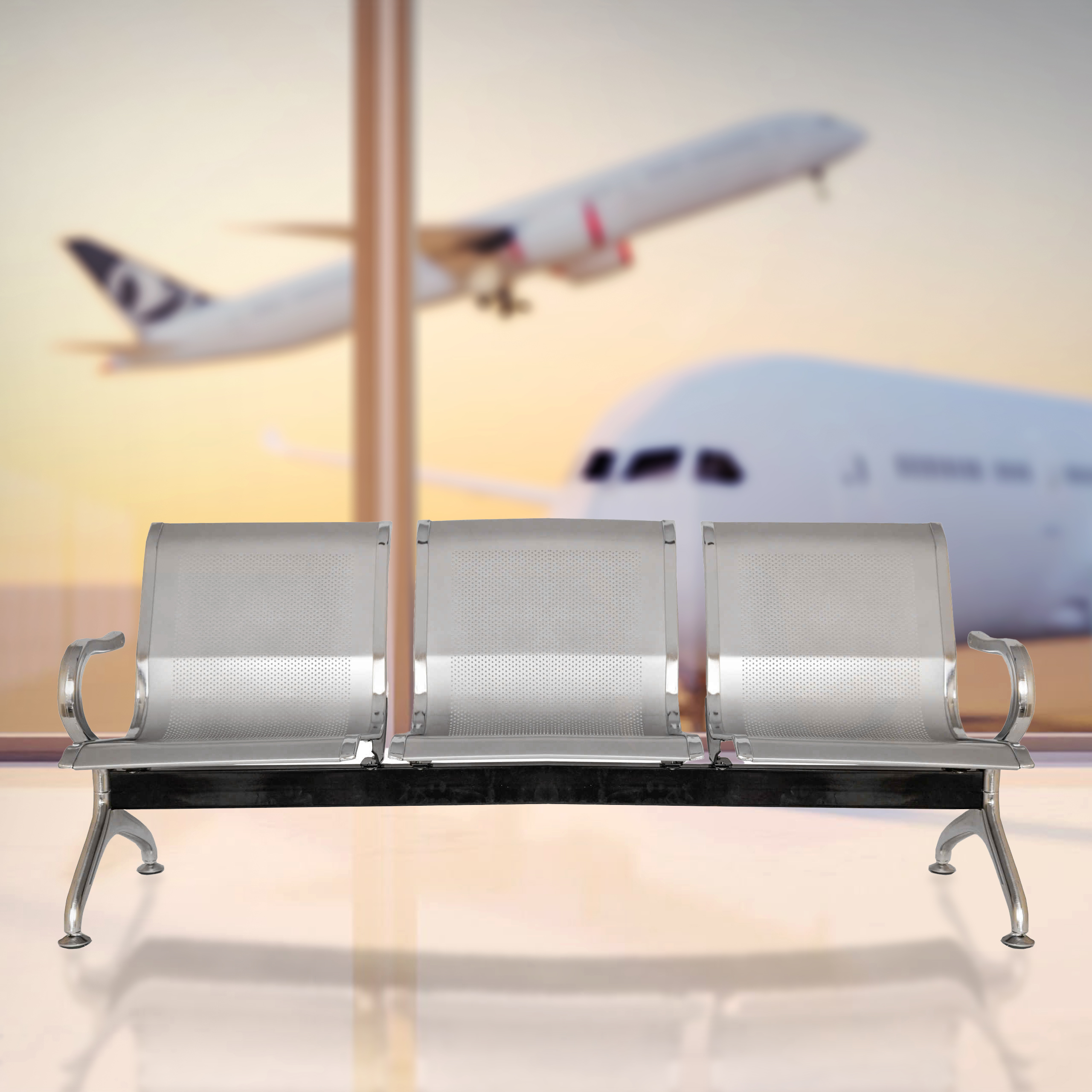
Modular Magic: Adaptable Waiting Chair Designs for Ever-Changing Environments

In the quickening pace of modern life, spaces have to do more than perform one specific function—today, they must adapt. This necessity is seldom more evident than in waiting rooms. The modern waiting place has evolved from being inflexible and static to being flexible and careful, present in everything from medical clinics to shared-workspace buildings, showrooms, and schools. Modular seating, a creative approach to layout of furniture that prioritizes adaptability, usefulness, and aesthetics, is the secret to it all.
Those days of fixed rows and rigid benches are over. Modular waiting chairs allow spaces to adapt to shifting requirements—if it’s crowd volume, spatial layout, or even seasonal health guidelines. It’s not merely about ease. It’s about adopting a new design philosophy of fluidity—where function and form combine in infinite, innovative ways.
What Is Modular Seating?
Modular seating is a set of independent or completely integrated seating elements that can be grew, lowered, or reconfigured in response to demand. Think of modular systems are grownup building bricks made up of replaceable parts.
Such systems may feature:
- Independent chairs with connectors
- For unusual shapes, use curved and corner pieces.
- Built-in side tables or planters
- High- or low-back pieces for privacy or openness
- Ottomans, benches, and chaise-style pieces for diversity
The adaptability of modular seats adds to its attractiveness. One set of pieces can be rearranged many times—providing new solutions without new expenditures.
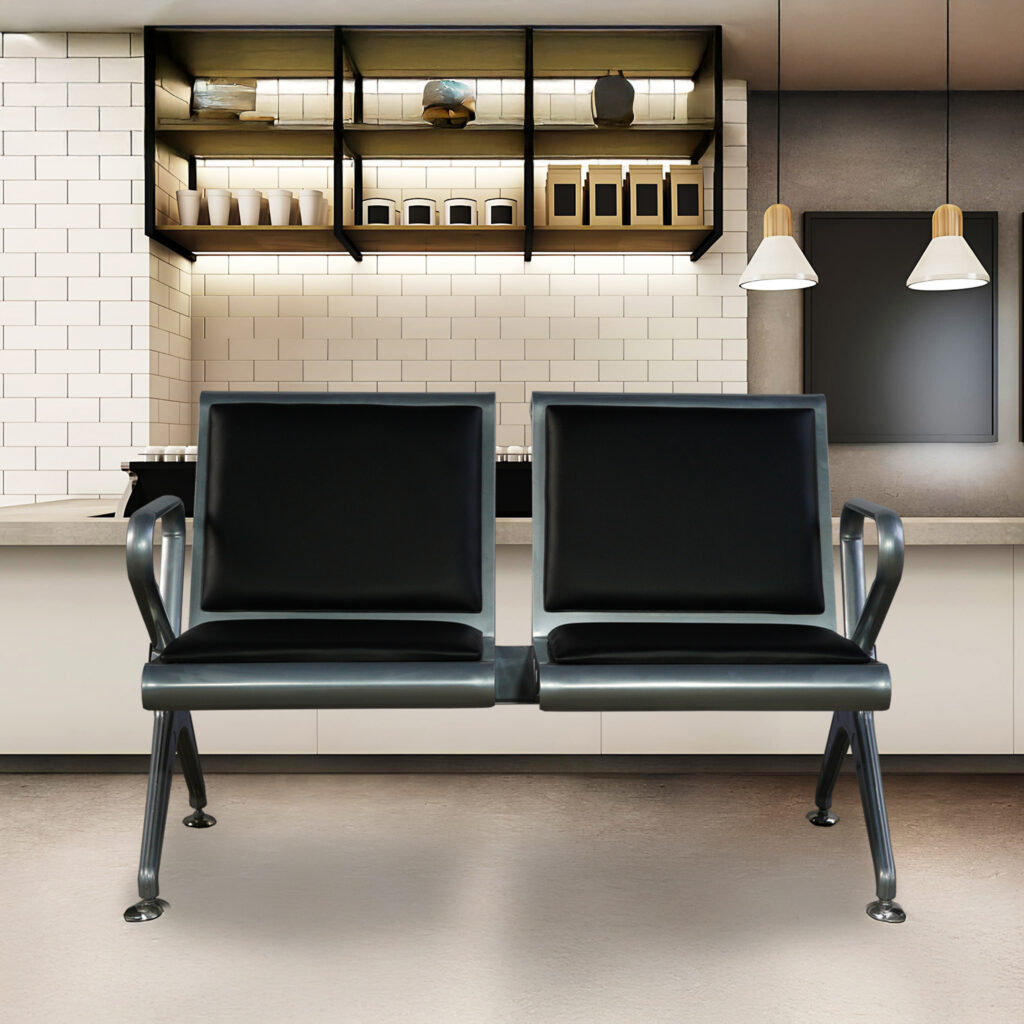
Why Flexibility Matters
1. Spaces Are Multi-Use
Most commercial and institutional areas have multiple functions in a day. A clinic may need a community engagement space in the late afternoon and a peaceful waiting room in the morning. Within a single week, a college cafeteria may host study groups, guest lecturers, and casual socializing.
Modular architectures allow spaces to be easily switched between these applications. Modular systems are an alternative to buying distinct pieces of furniture for every use.
2. Shifting Social Norms
The COVID-19 pandemic reshaped how we think about public seating. The value of adaptability in space was illuminated by isolation from society, and even if limitations have become fewer, the lesson is still relevant: furniture that can be modified gives resilience in the face of uncertainty.
Seating may be easily placed in clusters for more private settings or stretched out if necessary with modular waiting seats.
3. Improved User Experience
Humans do not wait the same. While some people must work, others must relax. Older people need help and movement, while parents need space for their kids. Modular systems can be reconfigured to meet these different user requirements easily.
By building micro-environments—quiet areas, family alcoves, single pods—designers can ensure that each user feels thought of.
Design Opportunities With Modular Waiting Chairs
In addition to being useful, modular systems can be attractively modified. Let’s review many creative design methods:
● The Island Layout
Design a central seating group with open walkways around it. This layout encourages informal conversation and unhindered mobility, making it perfect for large, open lobbies.
● The Serpentine Curve
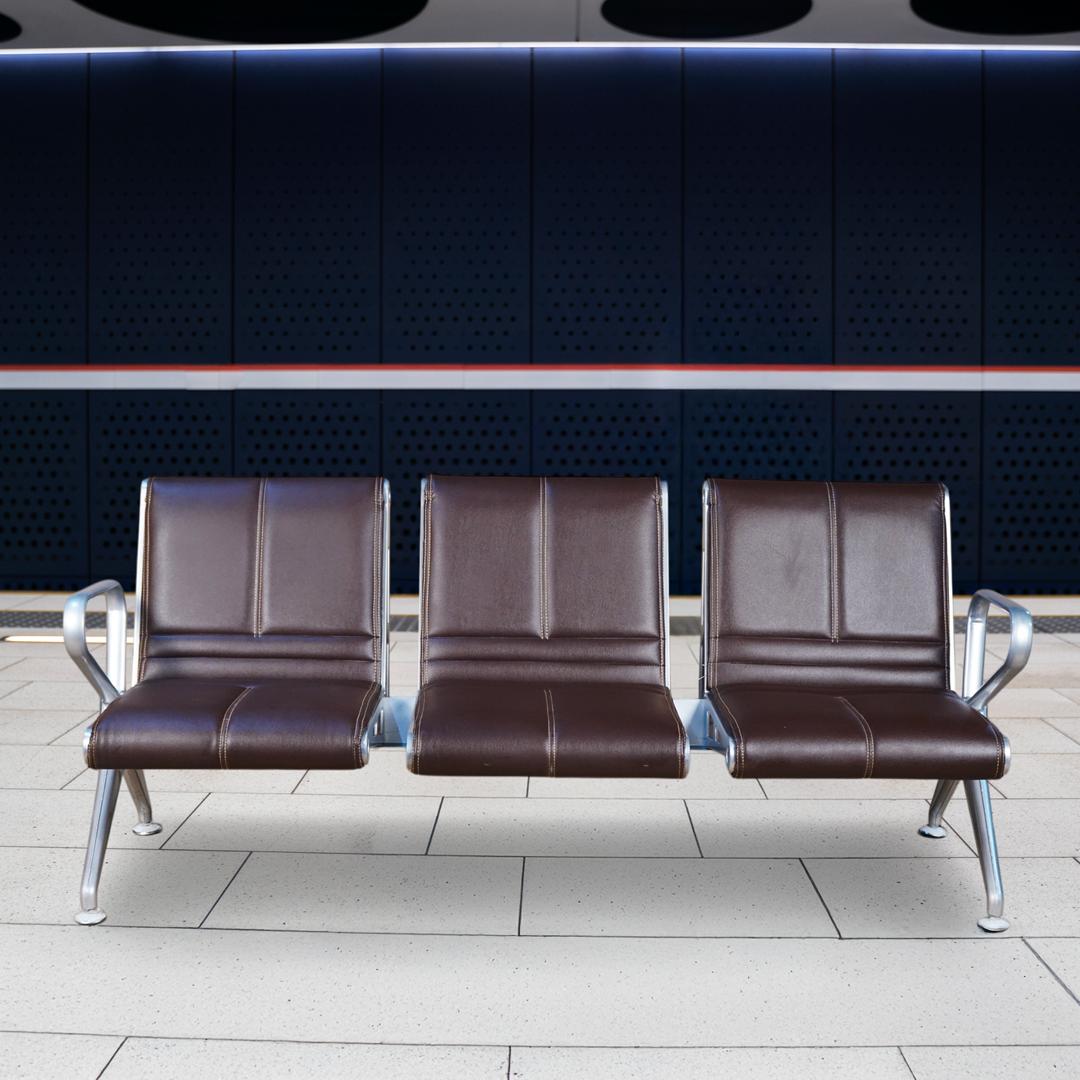
Make use of curved parts that are modular to produce an S-shaped layout. This design is perfect for spas or creative workspaces since it encourages effortless movement, breaks up visual repetition, and has an organic feel.
● The U-Shape or Semi-Circle
This layout not only provides some isolation but further make group communication easier. It works perfectly in customer service departments, rehabilitation clinics, and public sitting rooms.
● Scattered Solo Seats
Utilize single modular seats placed at distant intervals. It is perfect for private or peaceful spaces, for example study lounges, clinics, or high-stress locations like passport offices.Create several categories in the waiting room, like café places, kid-friendly places, and tech-enabled workspaces. It is simple to set up and rezone modular systems.
Advantages In Addition to Flexibility
Although adaptability is the main benefit, modular waiting seats offer numerous additional benefits as well:
✔ Long-Term Cost-Effective Investment
Modular units can be added to, repaired, or updated for relatively little money instead of replacing entire seating systems. You gain more worth with time.
✔ Sustainability and Waste Minimization
Using recyclable materials, low-VOC coatings, and easily reusable or reupholstered pieces, nearly every one of modular systems are made with sustainability in mind.
✔ Brand Identity and Aesthetics
You can match seating to your brand’s look and attitude, if it’s warm approachability or high-end refinement, thanks to the wide variety of upholstery options, module forms, & finishes.
✔ Easy Maintenance and Mobility
It is easier to move parts by themselves for maintenance, sanitation, or reconfiguration. Some systems even have wheels or gliders for easy mobility.
What to Keep in Mind Before Selecting Modular Waiting Chairs
Not every modular system is the same. The following should be taken note of while creating a flexible waiting area:
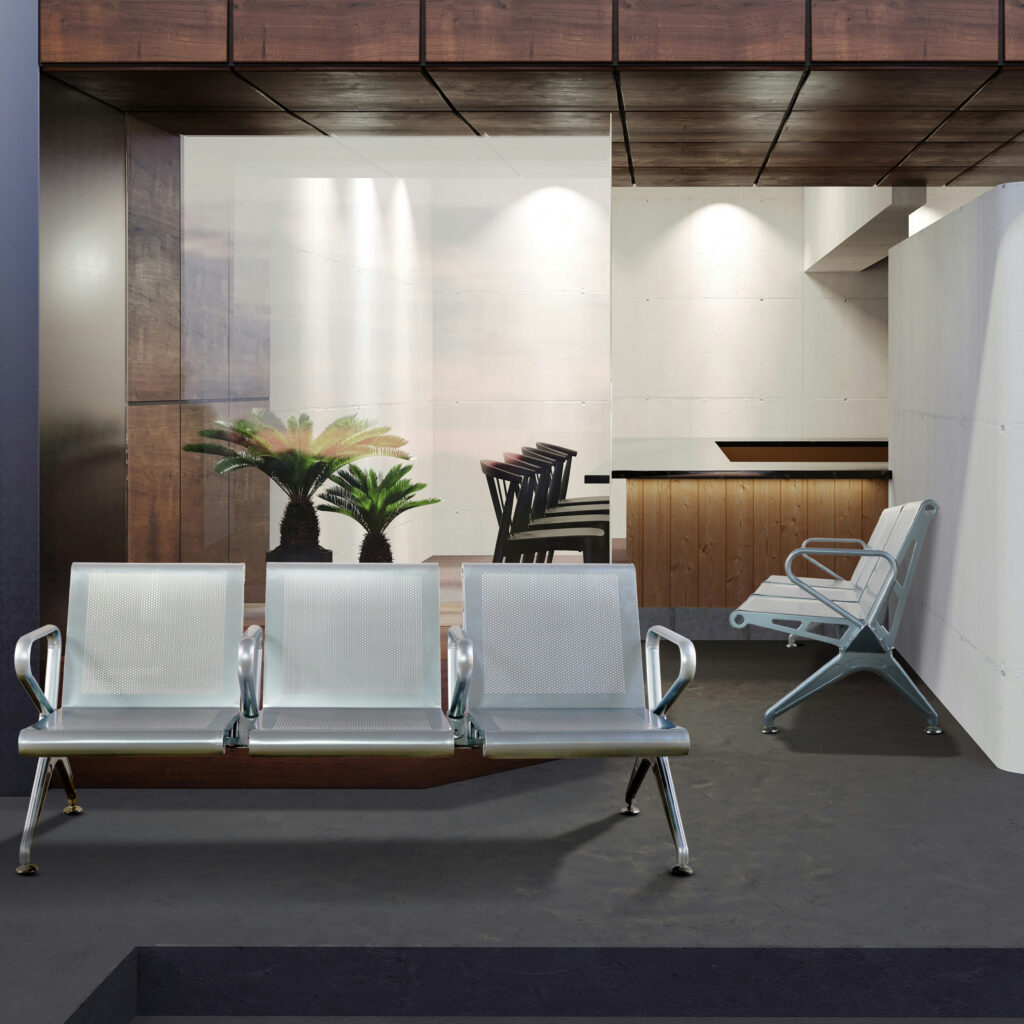
Durability: Select commercial-grade materials that can support heavy use.
Ease of connection: Opt for systems with simple joining mechanisms.
Comfort: Don’t sacrifice ergonomics—waiting should be effortless.
Scalability: Ensure the system scales with your requirements.
Accessibility: Provide seating for all users, including those with mobility impairment
Real-World Applications
Hospitals and Clinics
Adaptable layouts provide for changing patient loads, alleviate congestion, and approve guest management..
Corporate Lobbies
Modular seating allows for many applications with a single system, including presentations and interviews.
Airport Lounges
Flexible seating areas provide soothing experiences for visitors & allow sanitizing or spacing to be necessary.
Schools
School libraries, resident hall lounges, and student unions all prosper from flexible design that accommodates the continously shifting rhythms of college life.
Showrooms
Galleries in high-end stores or car dealerships could be rearranged to highlight different efforts or seasons.
The Future Is Flexible
In an era that values agility and customization, fixed furniture just won’t cut it anymore. Waiting chairs aren’t so much about “where to sit” anymore—they’re about how a space looks, adjusts, and performs over time.
Modular waiting chair systems meet all of the requirements, notably customization of designs, comfort for users, operating effectiveness, and aesthetic appeal. Without compromising anything, they allow building managers and designers to adapt to the changing dynamics of contemporary environments.
Remember that when you use modular magic, you’re not just setting-up seats; you’re building a more intelligent and responsive future, if you’re redesigning your store’s waiting room, constructing a co-working space, or outfitting a hospital.